What Is the Sewage Treatment Plant Process?
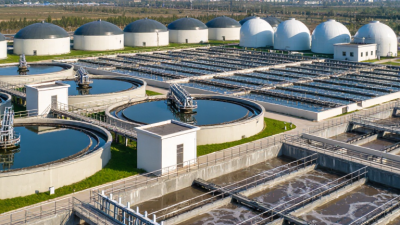
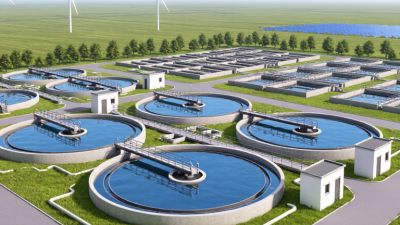
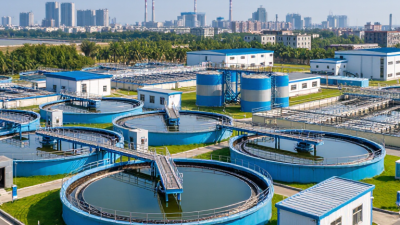
A sewage treatment plant process transforms used water into a safer, cleaner effluent before discharge or reuse. It begins when wastewater enters through underground pipes, carrying water, organic matter, nutrients, and solid debris. Screens remove items such as rags, plastics, and sticks. Grit chambers then slow the flow, allowing sand and small stones to settle. These simple steps protect pumps and other equipment from damage.
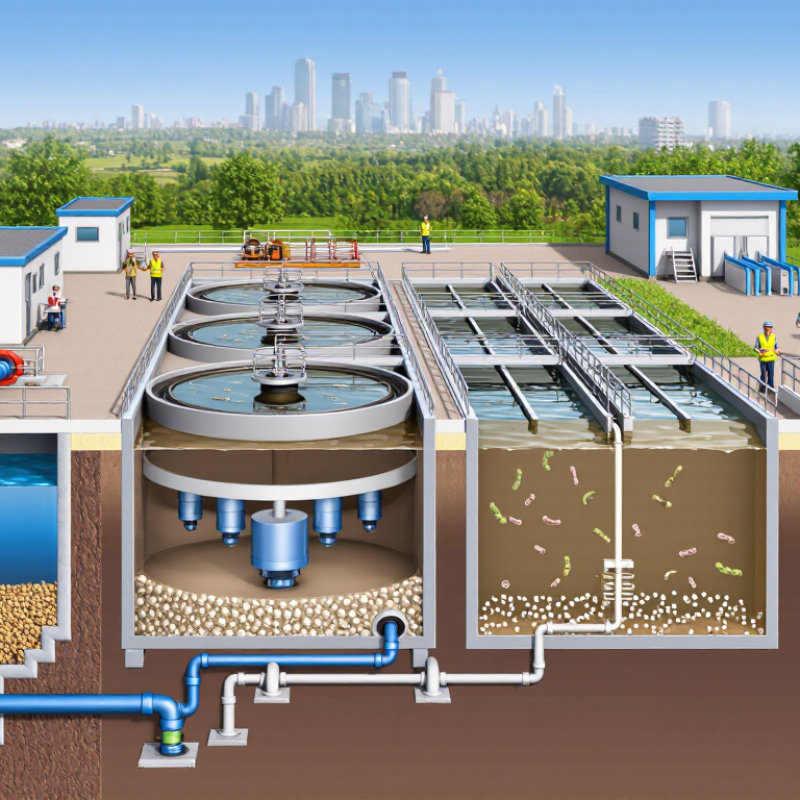
The water usually moves into primary settling tanks. Heavy solids sink, while oils and grease rise for removal. Biological treatment follows. In aeration basins, microorganisms consume dissolved organic matter while air bubbles keep the mixture active. The water may look cloudy and brown at this stage. Secondary clarifiers separate the microbial solids from the treated water. Some settled biomass returns to the aeration basin, while excess sludge moves to further processing.
Treatment can continue through filtration, nutrient removal, and disinfection. Ultraviolet light or carefully controlled chemicals may reduce harmful microorganisms. Operators regularly check pH, dissolved oxygen, ammonia, turbidity, and other indicators. The exact sewage treatment plant process differs between facilities, because local water quality, climate, equipment, and discharge requirements are not the same. Small plants may use simpler systems. Large plants often combine several treatment technologies.
The process is highly engineered. Still, it is not effortless. Equipment wears out, stormwater can overload tanks, and biological systems may respond slowly to sudden changes. A clear diagram can hide these practical difficulties. Understanding each stage helps readers see how wastewater becomes safer, while recognizing that reliable treatment depends on skilled operators, continuous testing, and careful maintenance.
Wastewater Collection and Preliminary Screening
What Is the Sewage Treatment Plant Process?
Wastewater Collection and Preliminary Screening
At a wastewater treatment plant, collection begins beneath streets, buildings, and industrial areas. Gravity sewers carry most flows through buried pipes toward the facility. Where the ground is low, lift stations raise wastewater through pumps. Operators monitor wet wells, pump cycles, and flow meters throughout the day. Sudden changes can reveal blockages, stormwater entry, or damaged pipes.
The process is not perfectly tidy. Wastewater may contain wipes, rags, plastics, sticks, and other solid debris. At the inlet works, coarse screens trap larger materials before they damage pumps or clog downstream equipment. Finer screens remove smaller particles as the flow continues. Mechanical rakes or rotating systems clear the screen surface at regular intervals. Screenings are then washed, compacted, and transferred for controlled handling.
Small details matter here. A single tangled rag can stop moving equipment. Excess grease can coat screens and reduce their effective opening. Heavy rain may also push more water into the collection system than expected. Operators adjust equipment and inspect the channels during these changing conditions. Even careful screening has limits; fine fibers and dissolved pollutants can pass through. This stage protects later treatment units, but it does not make the water clean.
Primary Treatment: Removing Settleable Solids
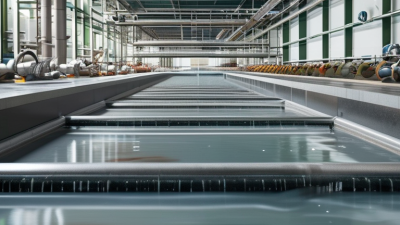
Primary treatment is the first physical barrier in a sewage treatment plant. It targets settleable solids before biological treatment begins. Wastewater enters a primary clarifier, where flow slows enough for heavier particles to sink. Fats, oils, and grease may rise and form a scum layer. Scrapers move settled sludge toward a hopper, while surface equipment removes floating material. The process looks simple. Its control is not.
The U.S. EPA’s Primary Clarification fact sheet reports typical removals of 50–70% for suspended solids and 25–40% for BOD5. These figures depend on detention time, temperature, inlet design, and sludge withdrawal. A full tank can carry solids into the next stage. A poorly adjusted scraper can disturb the sludge blanket. Operators commonly inspect effluent clarity, sludge depth, and scum thickness during routine rounds. Flow records also matter, because storm-driven surges shorten settling time. The Water Environment Federation notes that primary clarifiers must maintain stable hydraulic conditions to perform consistently. Yet removal percentages are not promises. Fine particles may remain suspended, especially after industrial discharge or sudden flow changes. Field judgment still matters. Often, the clearest warning is a thin trail of solids leaving the outlet.
What Is the Sewage Treatment Plant Process? - Primary Treatment: Removing Settleable Solids
| Primary Treatment Stage |
Main Purpose |
Typical Equipment |
Typical Operating Information |
Main Result |
| Influent Screening |
Removes large debris that could damage pumps or obstruct downstream units. |
Coarse screens and fine screens |
Bar openings commonly range from about 6 to 150 mm, depending on the screening duty. |
Rags, plastics, sticks, and other large solids are separated for handling and disposal. |
| Grit Removal |
Separates dense inorganic particles that can cause abrasion, clogging, and unwanted deposits. |
Aerated grit chambers, vortex units, or horizontal-flow grit chambers |
Designed to remove particles such as sand and gravel while allowing most organic solids to remain in the flow. |
Dense mineral material is collected and washed or conveyed for disposal. |
| Flow Equalization or Pre-aeration (where provided) |
Reduces short-term flow and load fluctuations and may help control odors. |
Equalization basin or aerated holding tank |
Used when wastewater characteristics vary significantly; not included in every plant. |
A more consistent flow reaches the primary settling process. |
| Primary Sedimentation |
Allows settleable suspended solids to sink and floatable materials to rise for removal. |
Primary clarifier, settling tank, scraper mechanism, and scum removal system |
Typical detention time is about 1.5 to 2.5 hours; surface overflow rates are commonly around 25 to 60 m³/m²·day, depending on design conditions. |
Primary sludge is collected from the bottom, while scum and grease are removed from the surface. |
| Primary Solids Handling |
Conveys and temporarily stores the solids removed during primary treatment. |
Sludge pumps, hoppers, gravity thickeners, or storage tanks |
Handling requirements depend on sludge concentration, plant capacity, and the selected downstream treatment process. |
Collected sludge is sent to further stabilization, thickening, digestion, dewatering, or approved disposal. |
|
Typical primary-treatment performance: Primary sedimentation commonly removes approximately 50–70% of suspended solids and about 25–40% of biochemical oxygen demand (BOD), although actual results vary with wastewater characteristics, hydraulic loading, temperature, and tank design.
|
Secondary Treatment: Using Microorganisms to Break Down Waste
What Is the Sewage Treatment Plant Process?
Secondary Treatment: Using Microorganisms to Break Down Waste
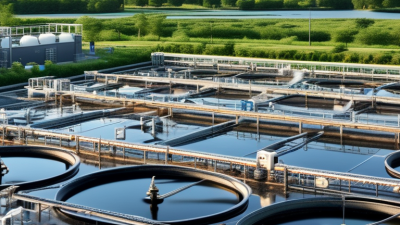
Secondary treatment uses living microorganisms to remove dissolved and fine organic waste from sewage. After screening and primary settling, wastewater flows into an aeration tank. Air bubbles supply oxygen, while bacteria consume biodegradable material as food. The water may look cloudy and brown during this stage. That appearance is not necessarily a failure.
The bacteria gather into small clusters called flocs. Protozoa and other microscopic organisms help control smaller particles and excess bacteria. Operators carefully monitor dissolved oxygen, temperature, pH, and sludge concentration.
Too little oxygen can slow treatment. Too much may waste energy and disturb the biological balance. Small changes matter. A sudden toxic discharge or cold weather can weaken the microbial community.
After aeration, the mixture enters a secondary clarifier. The heavier flocs settle to the bottom, leaving clearer water above. Part of the settled sludge returns to the aeration tank, helping maintain enough microorganisms for continued treatment. The remaining sludge requires separate handling. Clear water does not always mean complete treatment. Laboratory tests for biochemical oxygen demand, suspended solids, and ammonia provide stronger evidence. Even experienced operators must question unusual results, because sampling errors and changing flow conditions can mislead decisions. The process is effective, but never perfectly predictable.
Tertiary Treatment and Final Disinfection
What Is the Sewage Treatment Plant Process?
Tertiary Treatment and Final Disinfection
Tertiary treatment polishes wastewater after biological treatment removes most organic matter. Fine filters capture remaining solids, while membranes or advanced filtration can reduce nutrients, metals, and trace contaminants. Nitrogen and phosphorus control matters because excess nutrients can trigger algal blooms and oxygen loss in rivers. The U.S. Environmental Protection Agency identifies nutrient pollution as one of the most widespread water-quality challenges in the country.
Operators may use sand filtration, activated carbon, ultraviolet light, ozone, or membrane systems. Each method has limits. Carbon can become saturated, and membranes produce a concentrated waste stream. Those details are easy to overlook.
Final disinfection targets disease-causing microorganisms before discharge or reuse. Chlorine remains practical because it provides residual protection in pipelines. However, operators must control contact time, pH, temperature, and organic loading. Too little chlorine may leave pathogens alive. Too much can create unwanted disinfection by-products. Ultraviolet systems avoid chemical residuals, but cloudy water can shield microorganisms and reduce performance.
The World Health Organization and UNICEF reported that 3.5 billion people lacked safely managed sanitation services in 2022. That figure shows why reliable treatment is not merely technical. Routine sampling should verify turbidity, E. coli, nutrients, and residual disinfectant. A clear outlet is not proof of safe water. Plants also need trained staff, calibrated instruments, backup power, and honest reporting when results fall below target. Mistakes happen, but hidden mistakes become public-health risks.
What Is the Sewage Treatment Plant Process? – Tertiary Treatment and Final Disinfection
Tertiary treatment provides advanced nutrient and solids removal, while final disinfection targets remaining microorganisms before treated water is discharged or reused. The ranges below are representative municipal wastewater performance ranges; actual results vary with plant design, operating conditions, and local regulations.
BOD₅ and TSS removal are mainly associated with biological secondary treatment and polishing. Nitrogen and phosphorus reduction commonly requires tertiary processes such as nitrification–denitrification, biological phosphorus removal, filtration, or chemical precipitation. Disinfection may use chlorine, ultraviolet light, or ozone.
Sludge Processing and Safe Resource Recovery
A sewage treatment plant does more than remove visible waste. It converts unstable sludge into materials that may support energy and nutrient recovery. After primary and biological treatment, operators thicken sludge to reduce water content. Centrifuges or belt presses then produce a denser cake. The process looks simple. It is not.
Anaerobic digestion uses sealed tanks and microorganisms to break down organic matter. This produces biogas, mainly methane, which can generate heat or electricity. The United Nations World Water Development Report 2017 identifies wastewater as an “untapped resource” and reports that over 80% of global wastewater is released without adequate treatment. That figure shows the scale of lost energy and nutrients. In the United States, the U.S. Environmental Protection Agency estimates that treatment facilities generate roughly seven million dry metric tons of biosolids each year. Much of this material may support soil improvement, when it meets strict quality requirements.
Safety depends on more than pathogen reduction. Operators must monitor metals, industrial chemicals, moisture, and emerging contaminants. Sampling should represent the entire sludge stream, not one convenient tank. Dewatered cake can crack, smell, and attract flies when storage fails. Incineration can recover energy, but it also creates ash requiring careful handling. Nutrient recovery may reduce waste, yet phosphorus products are not automatically harmless. The weak point is often monitoring after processing. Resource recovery is valuable, but it is not a perfect loop. Controls must remain practical, documented, and independently verified.