What Is a Waste Water Treatment Plant and How Does It Work?
A waste water treatment plant is more than a row of tanks beside a river. It is a carefully managed system that removes solids, organic pollution, and, where required, nutrients and pathogens from used water. The need is substantial. UN-Water’s 2024 SDG 6 progress report estimates that 42% of household wastewater worldwide was not safely treated in 2022. That figure reflects a global gap, not the performance of every community. Still, it shows why treatment infrastructure matters for public health and aquatic ecosystems.
Inside a typical plant, wastewater passes through screens that catch rags and plastics, then grit chambers that settle sand. Primary tanks allow heavier solids to sink. In secondary treatment, microorganisms consume biodegradable material in aeration basins; clarifiers then separate the biological solids from the treated water. Some facilities add disinfection or advanced treatment before discharge or reuse. The process is practical, but not effortless. Pumps, trained operators, regular testing, and reliable power all matter. A clear-looking outflow is not proof that every contaminant has been removed.
This guide explains what a waste water treatment plant does, how its main stages work, and why treatment methods differ between facilities. It also looks at sludge handling, effluent monitoring, and common operational challenges. The details vary. Local wastewater, design capacity, and discharge or reuse goals shape each plant’s process, so a simple diagram cannot tell the whole story.
What Is a Wastewater Treatment Plant and What Is Its Purpose?
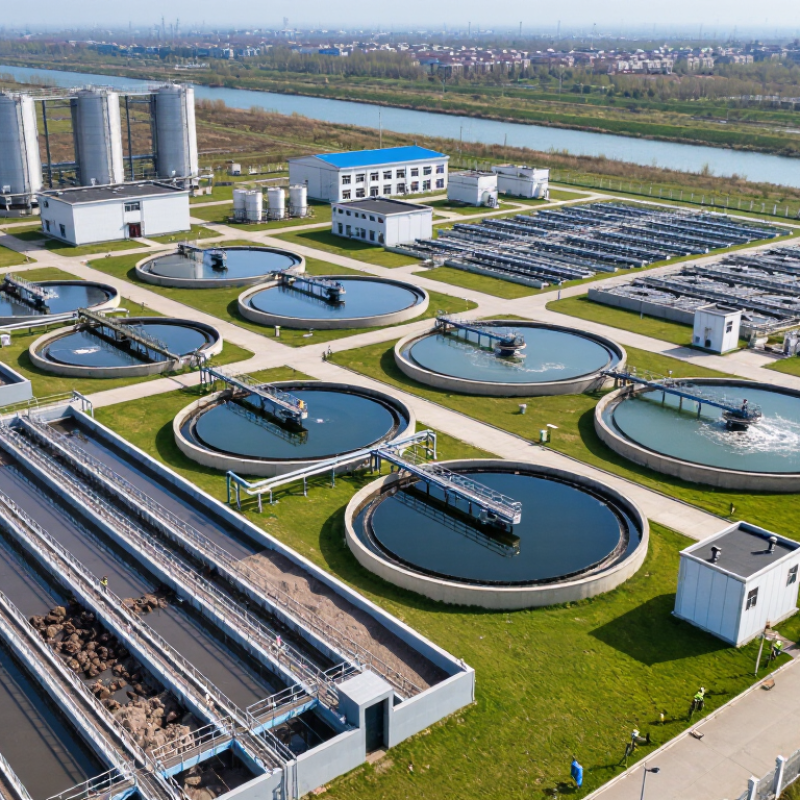
A wastewater treatment plant cleans used water before it returns to a river, lake, or the ground. Its purpose is practical: reduce disease-causing organisms, solids, and pollutants that can harm people and aquatic life. Wastewater arrives through sewer pipes from homes, businesses, and some industrial sites. At the inlet, screens catch items such as wipes and plastic pieces. Grit chambers then allow sand and small stones to settle. These early steps protect pumps and other equipment.
Small details matter.
In a typical plant, water flows into settling tanks, where heavier material sinks and grease may rise for removal. Helpful microorganisms then consume much of the remaining organic waste in aerated tanks. The water usually receives further settling and disinfection before discharge or reuse. Treatment methods vary with local water quality, regulations, and the receiving environment, so no single process fits every site. Sludge collected along the way may be treated separately to reduce odors and pathogens.
It is worth remembering that treatment does not always remove every trace pollutant; monitoring and maintenance remain essential. A cloudy sample or unusual odor can signal a problem, but neither alone tells the full story. Plants rely on trained operators, routine testing, and careful records to keep performance steady.
What Are the Main Parts of a Wastewater Treatment Plant?
What Is a Waste Water Treatment Plant and How Does It Work?
What Are the Main Parts of a Wastewater Treatment Plant?
A wastewater treatment plant is a controlled process, not just a large tank. Its headworks remove rags, plastics, grit, and other coarse materials. Screens protect pumps and downstream equipment. Grit chambers settle sand and small stones before they cause abrasion.
Primary clarifiers slow the flow. Suspended solids settle as sludge, while fats and oils rise for skimming. Biological treatment follows. Aeration tanks mix wastewater with microorganisms and oxygen. These organisms consume dissolved organic matter.
According to the U.S. Environmental Protection Agency, conventional secondary treatment typically targets about 85% removal of biochemical oxygen demand and suspended solids. The process looks simple on paper. It is not always simple in operation.
Tertiary treatment polishes the water further. Filters can capture fine particles, while nutrient removal systems reduce nitrogen and phosphorus. Disinfection then uses ultraviolet light, chlorine, or another approved method to control pathogens.
Sludge handling is a separate chain. Thickening, digestion, dewatering, and final management reduce its volume.
The UN-Water 2024 SDG 6 Synthesis Report states that 42% of household wastewater was not safely treated in 2022. That figure exposes a practical gap between installed infrastructure and effective operation.
Sensors drift, storms change flows, and biological communities can react slowly. A plant therefore needs trained operators, frequent sampling, maintenance records, and cautious process adjustments. One overlooked screen can disrupt the entire line.
How Does Primary Treatment Remove Solids?
At a wastewater treatment plant, primary treatment slows incoming wastewater so gravity can do much of the work. Screens catch large debris, while grit chambers remove sand and small stones. The flow then enters a settling tank, where heavier solids sink into sludge and oils float for skimming. The equipment is simple in principle, but uneven flow can disrupt settling.
The U.S. Environmental Protection Agency’s Primer for Municipal Wastewater Treatment Systems reports that primary treatment typically removes about 50–70% of suspended solids and 25–40% of biochemical oxygen demand. These are typical ranges, not guarantees; performance depends on tank design, flow, and operating conditions. That matters. A clear-looking surface does not mean the water is fully treated, since dissolved pollutants and fine particles can remain for later treatment stages.
Tips: Check sludge depth and surface scum regularly, and compare results with flow and sampling records. A small change in flow can carry solids onward. Operators should treat reported removal figures as a guide, not a promise—real plants need consistent monitoring to spot problems early.
Typical Primary Treatment Removal Efficiency
Primary treatment removes solids mainly through screening, grit removal, and sedimentation. Heavy particles settle as primary sludge, while floating materials are skimmed from the surface. Typical municipal treatment performance removes about 50–70% of total suspended solids and 25–40% of five-day biochemical oxygen demand (BOD₅); actual results vary with wastewater characteristics and plant design.
Values shown are representative midpoints of commonly reported ranges for municipal primary treatment.
How Do Secondary and Tertiary Treatment Clean Water?
Secondary and tertiary treatment determine how clean treated wastewater becomes. After screening and primary settling, microorganisms consume dissolved organic matter in aeration tanks. This biological stage lowers biochemical oxygen demand and suspended solids. The U.S. Environmental Protection Agency reports that conventional secondary standards generally require about 85% removal of both pollutants. The water may look clear, but invisible nutrients can remain.
Tertiary treatment targets those remaining risks. Filters capture fine particles, while nitrification converts toxic ammonia into less harmful nitrate. Additional biological or chemical processes remove nitrogen and phosphorus. According to the United Nations World Water Development Report, more than 80% of global wastewater was discharged without adequate treatment in many regions. That figure shows why advanced treatment matters. It also exposes a difficult gap: equipment alone cannot guarantee safe performance.
In practice, operators test ammonia, nitrate, phosphorus, pathogens, turbidity, and residual disinfectant. Ultraviolet light can deactivate microorganisms without adding chemicals. Membranes can produce very clear water, but they create concentrated waste streams that require careful handling. The U.S. EPA notes that nutrient limits depend on local water quality and discharge permits. One sample is not enough. Heavy rain, power interruptions, or poor maintenance can quickly reduce treatment efficiency. A polished outlet can still hide seasonal problems.
How Are Treated Water and Wastewater Sludge Managed?
Treated water does not automatically become drinking water. Its next use depends on the treatment level, local standards, and the receiving environment. A plant may release disinfected water into a river, where operators track flow, temperature, and water quality. Some facilities send treated water for irrigation, industrial cooling, or other approved uses. Clear water can still contain dissolved substances, so appearance alone proves little. That distinction matters.
Operators collect samples and compare results with permit limits and process targets. Sensors help flag sudden changes, but laboratory tests remain important. If readings drift, staff may adjust treatment or investigate the source. Reuse can conserve freshwater, yet it requires suitable treatment and careful monitoring. The practical details are easy to underestimate.
Wastewater sludge, also called biosolids when treated for beneficial use, needs its own management path. Plants thicken it to remove water, then may digest it with microbes to reduce organic matter and odors. The remaining material is often dewatered in presses, leaving a damp cake rather than a liquid. It may be further treated and sent for approved land application, composting, energy recovery, or disposal. Not every sludge is suitable for every destination; testing for pathogens and chemical contaminants helps guide decisions. Even well-run systems produce material that must be handled responsibly. There is no effortless endpoint.
Related Posts
-
How to Choose a Sewer Treatment Plant Supplier?
-
How to Choose a Waste Water Treatment Plant in 2026
-
7 Tips for Choosing Industrial Wastewater Treatment Systems
-
Top 10 China STP Plant Process Suppliers
-
2026 Top Industrial Waste Water Treatment Technologies
-
How to Choose a Wastewater Treatment Plant in 2026?