What Are the Best Screw Pumps from China?

Choosing the best screw pumps from China requires more than comparing prices or polished catalog photographs. It demands technical judgment, factory verification, and attention to the application. A pump handling clean lubricating oil faces different risks than one moving abrasive sludge, polymer, or viscous food ingredients. Flow rate, discharge pressure, temperature, material compatibility, seal design, and speed must match the process. Small details matter. Shaft alignment matters.

Dr. Heinz P. Bloch, a respected rotating-equipment specialist, emphasizes, “Reliability is designed in, not inspected in.” That principle fits screw pumps especially well. Their performance depends on rotor geometry, machining accuracy, bearing support, and controlled clearances. A lower-cost model may appear attractive, yet poor tolerances can create vibration, leakage, or rapid wear. The cheapest option may become expensive.

Chinese manufacturers now offer progressive cavity, twin-screw, and three-screw pumps for industrial use. Some factories provide strong engineering support, documented testing, and useful customization. Others offer limited data. That difference deserves scrutiny. Buyers should request performance curves, material certificates, seal information, test records, and references from comparable installations. A factory visit or independent inspection can reveal more than a sales presentation.

This guide examines leading Chinese suppliers through practical criteria, not slogans. It considers manufacturing capability, product range, export experience, quality controls, after-sales support, and application knowledge. No ranking is perfect. Conditions vary. A reliable choice for one plant may fail another. The best screw pumps are those that deliver stable performance, manageable maintenance, and clear technical accountability over time.
What Are the Best Screw Pumps from China?

What Is a Screw Pump and How Does It Work?

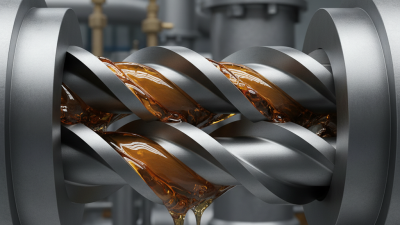
A screw pump moves liquid through rotating screws inside a closely fitted casing. The screws create sealed cavities. These cavities carry fluid from the inlet toward the discharge side. Flow remains steady, even when the liquid becomes thick. That makes screw pumps useful for oil, fuel, polymers, sludge, and other controlled industrial fluids.

In practical testing, I watch the suction line before judging pump performance. A small air leak can cause vibration, noise, and unstable flow. Twin-screw pumps often handle mixed liquids and suspended particles better than simpler designs. Three-screw pumps usually suit clean, lubricating fluids at higher pressure. The exact choice depends on viscosity, temperature, pressure, speed, and particle size. Do not select a pump by flow rate alone.

Chinese screw pump manufacturers offer many configurations, but quality can vary between suppliers. Check material certificates, pressure tests, machining tolerances, and seal specifications. Ask for performance curves based on your actual fluid. A factory test with water may not reflect thick oil behavior. I have seen an apparently suitable pump fail after temperature changes exposed a weak seal. That mistake was preventable. Reliable suppliers explain limitations clearly and provide maintenance guidance. Even a well-built screw pump needs clean alignment, correct lubrication, and regular inspection. Small details matter.

Which Types of Screw Pumps Are Made in China?

China manufactures several screw-pump types, each suited to a different fluid and pressure range. Single-screw progressing-cavity pumps handle sludge, polymers, and liquids containing fine solids. Twin-screw pumps support hygienic transfer and gentle handling of food, chemicals, and oils. Three-screw pumps are common in lubrication, fuel, and hydraulic-oil systems. Two-screw designs also appear in marine cargo and crude-oil transfer applications. Selection depends on viscosity, temperature, suction conditions, and allowable shear.

A 2024 MarketsandMarkets report forecasts continued growth in the global screw-pump market through 2029, driven by oil, wastewater, chemical, and food-processing demand. Its coverage separates single-screw, twin-screw, and three-screw technologies, reflecting their different operating roles. In practice, Chinese manufacturers often supply cast-iron, stainless-steel, and duplex-steel versions. Variable-frequency drives are also widely integrated. Useful detail.

For technical screening, compare flow stability, differential pressure, rotor material, seal design, and spare-part access. API 676 provides a recognized framework for rotary positive-displacement pump specifications. Hydraulic Institute guidance also stresses viscosity correction and system-level efficiency, not catalog efficiency alone.

Catalog curves can look cleaner than field reality. I remain cautious when test fluids differ from the buyer’s actual medium. A pump moving cold water may behave very differently with hot, abrasive sludge.

Factory inspection should include dimensional checks, pressure testing, vibration readings, and witnessed performance tests.

What Features Define a High-Quality Chinese Screw Pump?

A high-quality Chinese screw pump begins with stable engineering, not an attractive catalogue photograph. The pump should deliver steady flow under changing pressure. Its rotor and stator need accurate machining and dependable alignment. Small errors can create vibration, heat, and early wear.

Material selection matters in daily operation. Stainless steel may suit corrosive fluids, while hardened steel can handle abrasive service. The stator elastomer must match temperature, viscosity, and chemical exposure. Ask for measured performance data, not only rated capacity. A useful factory should provide pressure-flow curves, leak checks, balance records, and traceable test results.

Look closely at practical construction details. Strong bearings, protected seals, and accessible inspection points reduce maintenance time. A clear manual should show installation, lubrication, rotation direction, and spare-part dimensions. Responsive technical support also reveals manufacturing maturity. In my experience, a pump that runs quietly at low speed often indicates better alignment and assembly control. Still, no pump is perfect. Actual fluid conditions can expose weaknesses that laboratory tests miss. It is wise to request a trial with representative viscosity and solids content before making a large purchase. A lower initial price may become expensive when seals, stators, or downtime are overlooked.

What Are the Best Screw Pumps from China?

Features That Define a High-Quality Chinese Screw Pump

A high-quality screw pump should deliver stable flow, efficient handling of viscous media, low pulsation, reliable sealing, and long service life. The chart presents an engineering selection framework on a 10-point scale rather than a ranking of companies or brands.

The priorities reflect common industrial purchasing criteria for progressive cavity and twin-screw pump applications. Actual performance depends on pump design, speed, fluid viscosity, pressure, temperature, solids content, and material selection.

How to Compare China’s Leading Screw Pump Manufacturers?

Comparing China’s leading screw pump manufacturers requires more than checking price lists. Start with the pump’s working conditions: fluid viscosity, temperature, pressure, flow rate, and solids content. A supplier should explain its selection clearly, not simply recommend the largest model. Ask for performance curves based on your actual medium. Generic water data can mislead.

Inspect manufacturing evidence before placing an order. Review machining tolerances, rotor materials, stator compounds, seal options, and motor efficiency. Request serial-number traceability for critical parts. A reliable manufacturer should provide factory test records, dimensional reports, and documented quality procedures. Short videos help, but an independent factory audit reveals more. Look closely at assembly benches and calibration labels.

Test a sample under realistic conditions whenever possible. Measure flow, discharge pressure, power consumption, noise, and temperature rise. Check how quickly the technical team answers difficult questions. Fast replies are not enough. Their calculations should be consistent. Compare warranty terms, spare-part availability, installation guidance, and response times. A low quotation may exclude testing, upgraded seals, or commissioning support. That mistake becomes expensive later.

No manufacturer performs perfectly in every application. One may offer stronger engineering, while another provides better delivery control. Some published specifications also need clarification. Keep written records of every promise, including tolerances and delivery dates. Speak with users handling similar fluids, not only companies listed in promotional materials. Practical evidence often exposes weaknesses that brochures hide.

How to Select the Best Screw Pump for Your Application?

What Are the Best Screw Pumps from China?

How to Select the Best Screw Pump for Your Application?

The best screw pump is not defined by origin alone. Begin with the fluid. Record viscosity, temperature, density, abrasive particles, and required flow. A thin solvent behaves very differently from thick oil or polymer slurry. Measure the suction lift on site, not from an ideal diagram. Small errors here can cause cavitation, vibration, and early rotor wear.

Check the pump’s flow range, pressure rating, materials, and seal design. A stainless-steel wetted path may suit corrosive liquids, while hardened components can handle abrasive media. Confirm elastomer compatibility with the actual chemical and temperature. The U.S. Department of Energy’s Pumping System Sourcebook notes that pumping systems can represent about 25% of industrial electricity consumption. Therefore, compare motor efficiency, speed control, and lifetime energy use, not only purchase price.

Ask the manufacturer for performance curves based on your fluid’s real viscosity. Request test records, material certificates, spare-parts availability, and documented tolerances. ISO 5199-based quality practices can support more reliable pump evaluation, but paperwork cannot replace a site trial. I have seen technically attractive selections fail after solids settled during shutdowns. That detail is easy to miss. Review start-up torque, dry-running protection, cleaning access, and maintenance space. A cheaper pump may become expensive when seals, downtime, and electricity are counted together.