Top Screw Pump Tips for Efficient Performance and Selection?
Screw pumps play a crucial role in various industries, from oil and gas to manufacturing. According to a report by Grand View Research, the global screw pump market is expected to reach $5.08 billion by 2025, reflecting significant growth. This highlights the increasing demand for efficient and reliable pumping solutions.
Experts emphasize the importance of proper selection and maintenance. Dr. Emily Carter, a renowned industry expert, states, "Screw pumps can significantly increase operational efficiency when chosen correctly." Her insights stress that understanding the application's specific requirements is vital.
Selecting the right screw pump involves several considerations. Factors like fluid type, viscosity, and operational conditions must be evaluated. Efficiency can be lost with incorrect choices. Recognizing common pitfalls can lead to better performance. Efficient selection and usage can sometimes be overlooked, yet they are essential for maximizing stability and output.

Understanding the Basics of Screw Pumps and Their Applications
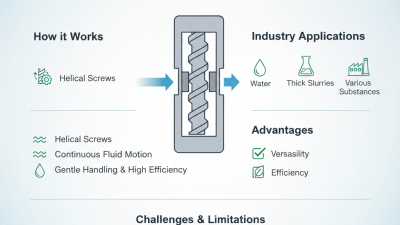
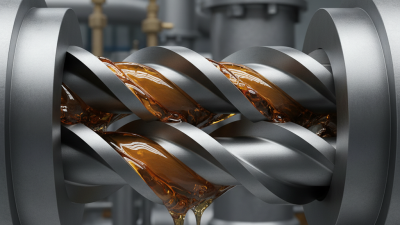
Screw pumps are widely used in various industries for their ability to handle high-viscosity fluids. Understanding their basics ensures better performance and selection. These pumps consist of interlocking screws that move fluid efficiently. They are ideal for applications in oil, food, and chemical sectors. Their positive displacement mechanism allows them to maintain a consistent flow rate, even with thick materials.
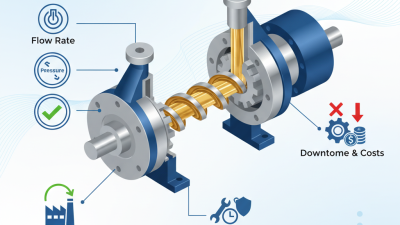
When selecting a screw pump, consider the viscosity of the fluid. High-viscosity fluids require pumps with specific design features. Assess the operating conditions such as temperature and pressure. Ensure that the pump material is compatible with the fluid being pumped. Choosing the right speed is crucial as it affects energy consumption and performance.
Efficient operation involves regular maintenance checks. Monitor for wear and tear to prevent costly downtime. Adjusting the speed can optimize the pump’s performance based on the application needs. Understanding the pump’s flow characteristics enables better adjustments and leads to improved efficiency. It's essential to evaluate the pump's capacity regularly to ensure it meets your requirements.
Key Factors Influencing Screw Pump Efficiency and Performance
When selecting a screw pump, several key factors impact its efficiency and performance. The design of the screw geometry plays a crucial role. A well-designed screw can minimize turbulence and reduce energy consumption. Material selection is also essential, as certain materials withstand corrosion and wear better, leading to longer service life.
Operating conditions significantly influence pump performance. Viscosity of the fluid, temperature, and pressure must be considered. Each application has unique demands, and miscalculations can lead to inefficiency. For instance, higher viscosity fluids generally require more energy to pump, highlighting the need for tailored solutions.
Maintenance practices cannot be overlooked. Regular inspection and timely replacement of worn components help maintain optimal performance. Neglecting maintenance often leads to reduced efficiency and unexpected failures. It's important to have a proactive approach rather than waiting for issues to arise. Understanding these factors can enhance your selection process and ensure a more efficient screw pump operation.
Top Screw Pump Tips for Efficient Performance and Selection
| Key Factor |
Description |
Impact on Efficiency |
| Viscosity of Fluid |
The thickness of the fluid being pumped affects the pump's ability to generate flow. |
Higher viscosity can reduce efficiency, requiring more energy to pump. |
| Pump Speed |
The rotational speed of the screw impacts the flow rate and pressure generated. |
An optimal speed improves efficiency, while excess speed may lead to cavitation. |
| Screw Design |
The shape and angle of the screw affect its interaction with the fluid. |
A well-designed screw enhances fluid handling and reduces wear. |
| Temperature |
Higher temperatures can change the fluid properties and affect the pump's performance. |
Maintaining optimal temperature is crucial for consistent efficiency. |
| Maintenance |
Regular service and inspection can prevent breakdowns and inefficiencies. |
Preventive maintenance is key to sustained high efficiency. |
Steps for Selecting the Right Screw Pump for Your Needs
Choosing the right screw pump requires careful consideration of various factors. Start by assessing the fluid properties you need to pump. Viscosity, temperature, and particulate content all play crucial roles in pump selection. High-viscosity fluids often require pumps with specific design features. For example, a high-viscosity screw pump can improve efficiency and reduce operational issues.
Next, think about the applicable industry standards. Different industries, such as food processing or chemical production, have unique requirements. Understanding these standards is essential for compliance and safety. Keep in mind that selecting an inappropriate pump may lead to failures and costly repairs.
Another point to reflect on is the system's operational requirements. Consider flow rate, pressure, and any potential fluctuations. These factors will impact pump performance. Ensure that your selected model can handle variations in demand. Sometimes, it is tempting to overlook the long-term maintenance needs of the pump. Regular maintenance is essential for efficiency and longevity, so think ahead about service options.
Maintenance Tips for Ensuring Long-Lasting Screw Pump Operation
Screw pumps play a critical role in various industries, and their longevity relies heavily on proper maintenance. Regular inspections of the pump's components and seals can prevent small issues from evolving into major failures. A thorough check every month can catch wear and tear early. It’s advisable to look for signs of leaks or unusual noises. This is an indication that something might be off.
Lubrication is another vital aspect. Using the right lubricant ensures smooth operation. Over time, lubricants can degrade. Check the lubricants regularly and replace them as needed. Remember that cleanliness is equally important. Dust and dirt can enter the system and cause damage. Keeping the environment clean around the pump can enhance its reliability.
Training staff who operate and maintain the pump is crucial. They must understand the operational limits and troubleshooting methods. Lack of knowledge can lead to improper handling. Documenting maintenance activities helps in identifying patterns. Knowing what works and what doesn’t allows for better decision-making in future maintenance. Regularly reviewing these practices can open up new avenues for improved performance.
Common Mistakes to Avoid When Using Screw Pumps
When using screw pumps, understanding common mistakes is crucial for optimal performance. One frequent error is neglecting to select the right pump for the application. Each fluid type has specific viscosity and temperature requirements. If the chosen pump cannot handle these characteristics, it will lead to inefficiencies. Additionally, failing to consider the flow rate can cause wear and tear, reducing the pump’s lifespan.
Another mistake involves improper installation. A poorly aligned pump can lead to mechanical issues over time. Take the time to ensure that the pump is properly mounted and that all connections are secure. Moreover, regular maintenance is often overlooked. Ignoring wear indicators can result in catastrophic failures. It’s essential to be aware of the pump's condition and to perform routine checks.
Operators should also avoid running the pump on low flow. This can cause overheating and undue stress on components. Many users underestimate the impact of cavitation, too. It can severely damage the pump, leading to costly repairs. A thorough understanding of these pitfalls will help enhance efficiency and reliability in screw pump operations.