Why Are Waste Water Treatment Methods Essential for Industry?
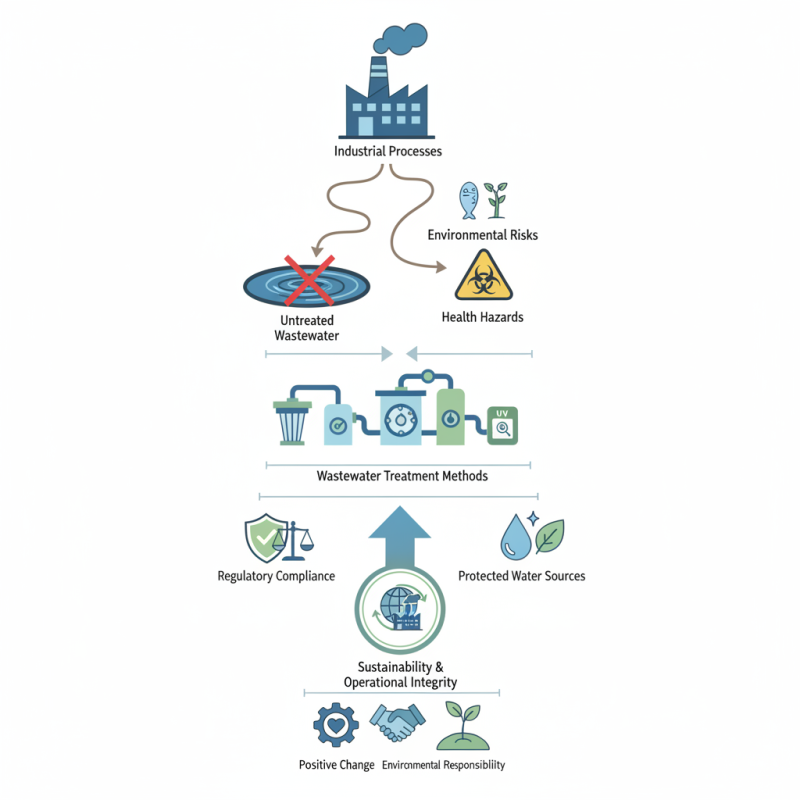
Industrial processes generate significant quantities of wastewater. This water, if untreated, poses serious environmental risks. Therefore, implementing waste water treatment methods is crucial for sustainability.
Various industries rely on these methods to ensure compliance with regulatory standards. Effective treatment can minimize pollutants and protect water sources. Yet, many companies still undervalue their importance. The consequences of neglect can lead to contamination and health hazards.
Innovative treatment solutions exist. However, some firms struggle to adopt them fully. Understanding the benefits of waste water treatment methods can drive positive change. Industries should prioritize these practices to enhance their operational integrity and environmental responsibility.
Importance of Waste Water Treatment in Industrial Processes
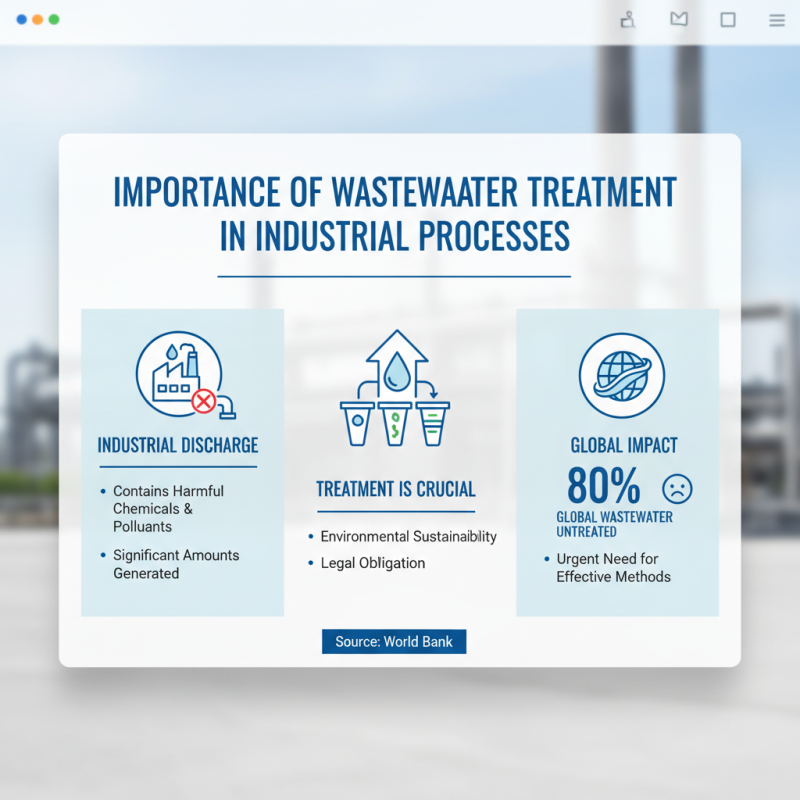
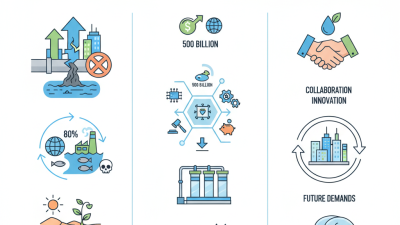
Industrial processes generate significant amounts of wastewater. This water often contains harmful chemicals and pollutants. Treating this wastewater is not just a legal obligation; it is essential for environmental sustainability. According to the World Bank, nearly 80% of global wastewater is discharged untreated. This statistic highlights the urgent need for effective treatment methods in industries.
Effective wastewater treatment can prevent soil and water contamination. It also supports the recycling of water, making it available for reuse in industrial applications. Research from the Environmental Protection Agency indicates that industries can save up to 50% on water costs through efficient treatment and reuse. However, not all industries have adopted these practices. There remains a gap in knowledge and technology uptake, particularly in developing regions.
The diversity of industries leads to varied wastewater challenges. Chemical manufacturers may face heavy metal contamination, while food processing plants often deal with organic waste. Each type of wastewater requires specific treatment solutions, reflecting the complexity of industrial operations. While advancements in treatment technologies are promising, many industries struggle to implement these systems effectively. Lack of funding and expertise limits progress, reminding us that ongoing education and innovation are crucial.
Impact of Untreated Waste Water on the Environment and Public Health
Untreated wastewater poses a significant threat to both the environment and public health. When industrial wastewater is discharged directly into water bodies, it can cause severe contamination. Toxic substances can harm aquatic life and disrupt ecosystems. The consequences extend to humans, who rely on these water sources for drinking and recreation.
Bacteria and viruses in untreated wastewater can lead to waterborne diseases. Cases of cholera and dysentery surge in regions with poor waste management. Communities without proper treatment systems are at higher risk. Contamination can also affect agriculture, as crops irrigated with polluted water can absorb harmful substances.
**Tips:** Invest in proper wastewater treatment systems. Regularly monitor water quality to catch issues early. Educate employees on the importance of responsible waste disposal. Full compliance with environmental regulations is a must. Addressing these challenges requires continuous effort and collaboration. Industry must prioritize sustainable practices to protect public health and the environment.
Impact of Untreated Waste Water on the Environment and Public Health
Overview of Common Waste Water Treatment Methods Used in Industry
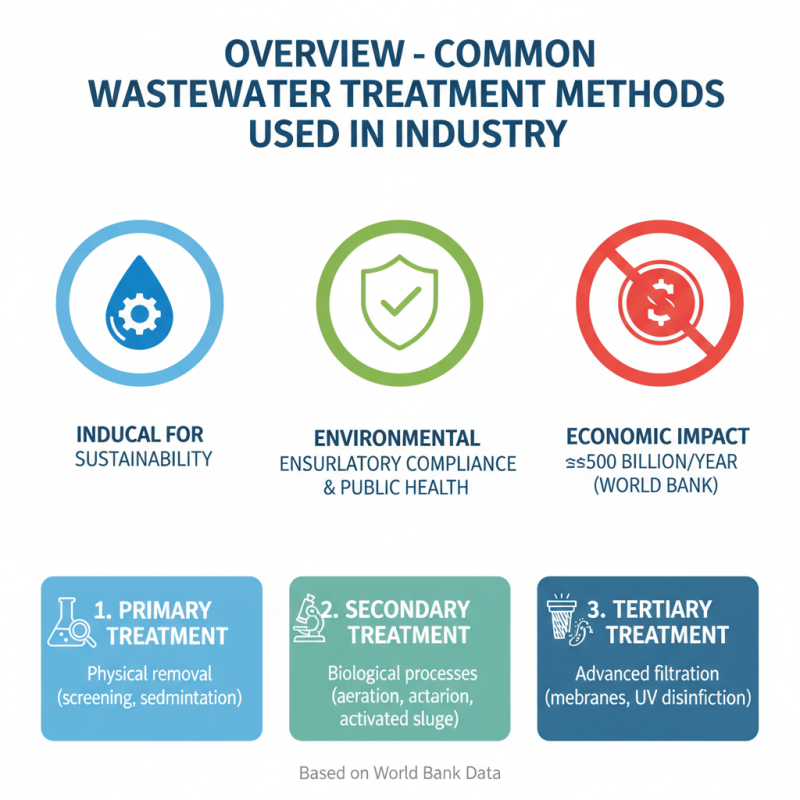
Wastewater treatment methods are critical for industrial sustainability. Industries produce vast amounts of wastewater, which can contain harmful pollutants. Effective treatment ensures compliance with environmental regulations and protects public health. A report by the World Bank indicates that water pollution costs the global economy about $500 billion annually.
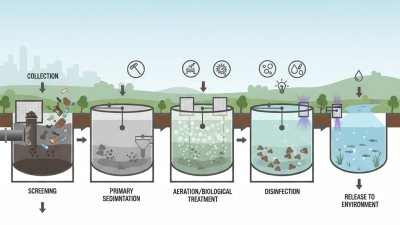
Common methods include physical, chemical, and biological treatments. Physical treatment involves sedimentation and filtration. These processes remove larger particles and solids. Chemical methods utilize coagulation and disinfection to eliminate pathogens. In the U.S., about 85% of wastewater undergoes some form of chemical treatment. Biological methods rely on microorganisms to break down organic matter. These methods can reduce biochemical oxygen demand (BOD) by up to 98%, significantly improving water quality.
Despite advancements, challenges persist. Many facilities struggle with outdated equipment. This affects efficiency and increases operational costs. Additionally, not all industries adopt best practices for wastewater management. Some facilities may lack proper monitoring systems. Investment in technology and training can help address these gaps. Industry reports suggest that adopting innovative solutions can reduce water treatment costs by 30% over five years.
Regulatory Standards and Compliance for Waste Water Management
Effective waste water management is crucial in industrial settings. Regulatory standards play a significant role in this process. These regulations ensure that industries minimize their environmental impact. Compliance is not just a legal obligation; it's a commitment to sustainability.
Many industries face challenges in meeting these standards. Treatment technologies can be complex and costly to implement. Moreover, failure to comply can result in severe penalties, including fines and operational shutdowns. Maintaining regulatory compliance requires ongoing monitoring and adjustment of treatment processes.
Industries must engage with experts to navigate the evolving regulations. Regular audits can help identify areas for improvement. It is essential to balance efficiency and compliance effectively. As regulations change, industries must adapt their strategies. This ongoing adjustment can reveal gaps that require urgent attention. Embracing best practices in waste water treatment not only meets regulatory requirements but also enhances operational resilience.
Why Are Waste Water Treatment Methods Essential for Industry? - Regulatory Standards and Compliance for Waste Water Management
| Industry Type |
Waste Water Volume (m³/day) |
Treatment Method |
Regulatory Standard Compliance |
Recycling Rate (%) |
| Textiles |
3000 |
Biological Treatment |
ISO 14001 |
70 |
| Food Processing |
5000 |
Membrane Filtration |
FDA Guidelines |
80 |
| Pharmaceuticals |
1500 |
Chemical Treatment |
EPA Standards |
60 |
| Petrochemical |
8000 |
Advanced Oxidation |
REACH Compliance |
90 |
| Metals & Mining |
2000 |
Precipitation |
ISO 9001 |
75 |
Innovations and Future Trends in Waste Water Treatment Technology
Wastewater treatment technology is evolving rapidly. Innovations are crucial for industries facing stricter regulations and sustainability goals. Recent studies show that over 80% of the world’s wastewater is untreated, impacting ecosystems and human health. Advancements in technologies, such as membrane bioreactors and advanced oxidation processes, are emerging as effective solutions. These methods not only enhance water quality but also facilitate the recovery of nutrients like nitrogen and phosphorus, vital for agricultural use.
Tips: Consider adopting decentralized treatment systems. They can reduce transportation costs and provide localized solutions. Also, research shows that integrating AI in monitoring systems can significantly increase efficiency. Real-time data analytics help in making informed decisions about treatment processes.
Emerging practices also focus on circular economy models. This not only ensures resource recovery but engages communities. However, challenges remain in funding and public awareness. Industry professionals must navigate these hurdles while implementing sustainable practices. A balance between innovation and practicality is essential to achieve effective wastewater treatment solutions.