Top 10 Packaging Machinery Suppliers in China for Global Buyers?
In the rapidly evolving world of Packaging Machinery, China stands out as a leading supplier. The global market is projected to reach USD 50 billion by 2025, driven by the increasing demand for automation and efficiency. Notably, Chinese manufacturers are enhancing their technological capabilities to cater to international needs, thereby securing a significant share of the market.
Expert insight, such as that from Dr. Linda Wu, a leading authority in packaging technologies, underscores this trend. She states, "China's innovation in packaging machinery is reshaping global logistics." This innovation includes more efficient designs and smarter machines, which are crucial for industries like food and pharmaceuticals. However, while the advancements are impressive, buyers must be vigilant. Not all suppliers may meet the required quality standards, highlighting a need for thorough research and due diligence.
As global buyers explore options, understanding the landscape and identifying reliable suppliers becomes paramount. The dynamic nature of the Packaging Machinery sector in China presents both opportunities and challenges. It is essential to balance innovation with reliability to succeed in this competitive arena.
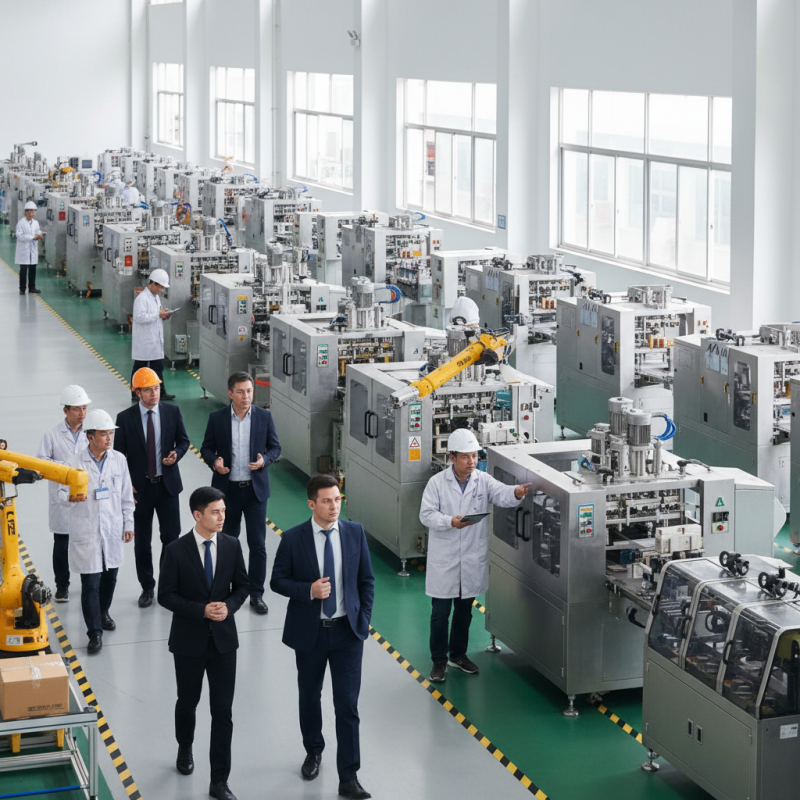
Overview of the Packaging Machinery Industry in China
The packaging machinery industry in China has witnessed significant growth in recent years. According to a report from Statista, the market size was valued at around $35 billion in 2021. This figure is expected to continue growing, driven by the rising demand for packaged goods in various sectors, including food and beverage, pharmaceuticals, and consumer goods. The rapid urbanization in China contributes to increased consumer spending, which further boosts the packaging sector.
China’s competitive landscape includes both domestic firms and international players. Many suppliers are focusing on technological advancements. Automation and smart packaging solutions are trends shaping the market. Data from Research and Markets indicates that automated packaging machinery will see a growth rate of about 5.2% from 2022 to 2027. However, challenges remain. Supply chain disruptions and fluctuating raw material costs can hinder progress. Companies need to adapt quickly to these changes while maintaining quality.
Sustainability is increasingly influencing packaging machinery design. Eco-friendly materials and processes are becoming a priority. A survey by Euromonitor revealed that 70% of consumers prefer products with sustainable packaging. This shift forces manufacturers to pivot and innovate. Yet, the transition to sustainable practices is not straightforward. Companies must balance cost, efficiency, and environmental responsibility to meet consumer expectations.
Criteria for Selecting Top Packaging Machinery Suppliers
When selecting top packaging machinery suppliers, buyers must consider several critical criteria. Experience in the industry is paramount. Suppliers with many years of operation often have refined processes and technologies. Their expertise can minimize risks and uncertainties. Buyers should also evaluate the machinery's technology. Modern, innovative solutions lead to better efficiency and productivity.
Reliability plays a huge role. A dependable supplier ensures consistent machine performance. Regular maintenance support is essential. Look for suppliers offering comprehensive after-sales service. Communication should be responsive and clear. It narrows down potential challenges during the procurement process.
Additionally, sustainability is gaining importance. Suppliers committed to eco-friendly practices are more appealing. Their initiatives reflect a broader responsibility towards the environment. Pricing is also crucial. However, the cheapest option may not provide the best value. It's wise to assess the overall cost-effectiveness of the supplied machinery. Balancing quality with investment is essential for long-term success.
Detailed Profiles of the Leading Packaging Machinery Suppliers
When exploring the packaging machinery market in China, global buyers encounter a multitude of suppliers. Understanding the profiles of leading suppliers is essential. These companies exhibit diverse capabilities, catering to various packaging needs. They specialize in automation, efficiency, and sustainability. However, assessing their effectiveness requires diligent research.
Tips: Check for certifications and industry standards. Compliance signifies reliability. Customer reviews offer insight into past performance. Look for flexibility in machinery options. Different industries need tailored solutions.
For buyers, challenges can surface during selection. Not all suppliers are equally transparent in their operations. Some may not provide full details on technical support and after-sales services. It’s wise to ask specific questions about maintenance and response times.
Additionally, visit trade shows or exhibitions if possible. Getting a firsthand look at machinery can reveal more than brochures do. Observe how suppliers interact and solve problems on the spot. This can provide a glimpse into their customer service philosophy and reliability in a competitive market.
Top 10 Packaging Machinery Suppliers in China for Global Buyers
| Company Location | Industry Focus | Annual Revenue (USD) | Employee Count | Export Markets |
| Shanghai | Food Packaging | 50 million | 200 | USA, Europe, Asia |
| Guangzhou | Pharmaceutical | 30 million | 150 | Asia, Africa |
| Beijing | Cosmetics | 25 million | 100 | Europe, South America |
| Shenzhen | Beverage | 40 million | 300 | North America, Oceania |
| Hangzhou | Electronics | 35 million | 250 | Asia, Europe |
| Nanjing | Toys | 15 million | 80 | Africa, Middle East |
| Xi'an | Chemicals | 20 million | 120 | Asia, Europe |
| Tianjin | Logistics | 10 million | 50 | North America, Europe |
| Wuhan | Agriculture | 5 million | 30 | Asia, Africa |
| Chongqing | Textiles | 12 million | 60 | South America, Asia |
Key Innovations and Technologies in Packaging Machinery
In recent years, packaging machinery in China has seen significant innovations. These advancements focus on efficiency and sustainability. Automated systems are increasingly adopting AI technology. Such systems optimize production lines, reducing waste and labor costs.
One notable trend is the use of smart packaging. This technology provides consumers with real-time data about products. Foldable, biodegradable materials are also gaining traction. Manufacturers are exploring these options to meet eco-friendly standards. While these measures enhance usability, challenges remain in balancing cost and sustainability.
Moreover, integrating IoT devices in machinery opens new possibilities. These devices enable predictive maintenance, enhancing usability and reducing downtime. However, reliance on technology raises concerns about cybersecurity. As companies innovate, they must address these challenges to ensure reliability.
Trends Shaping the Future of Packaging Machinery in China
The packaging machinery industry in China is undergoing significant transformation. Advanced automation is emerging as a key trend. Manufacturers are investing heavily in robotics and AI. These technologies enhance efficiency and reduce operational costs. The focus is shifting from traditional machines to smart solutions. Smart packaging machinery offers better tracking and monitoring capabilities.
Sustainability is another crucial driver. Eco-friendly materials are gaining popularity among consumers. Producers are responding by developing machines that can handle biodegradable materials. This trend challenges manufacturers to adapt quickly. There is a need to balance efficiency and environmental responsibility. The shift towards sustainable practices is not without obstacles. Companies must grapple with the costs of transitioning to greener technologies.
Customization is also reshaping the landscape. Clients demand tailored solutions for specific packaging needs. This requires flexibility in machinery design and production. However, excessive customization can complicate operations. It may lead to increased lead times and higher costs. The industry must navigate these challenges while meeting client expectations.
Top 10 Packaging Machinery Suppliers in China