Top Industrial Waste Water Treatment Systems in 2026?
The growing emphasis on sustainability drives innovation in industrial waste water treatment systems. A recent report by Technavio projects that the global market for these systems will reach $32 billion by 2026. This significant growth highlights the urgency for industries to adopt advanced treatment solutions that not only ensure compliance but also minimize environmental impact.
Industry expert Dr. Emily Chen notes, "Investing in modern industrial waste water treatment systems is no longer optional; it is a necessity for sustainable operations." Her insight underscores the critical need for companies to upgrade aging infrastructure. Many facilities struggle with outdated technologies, leading to inefficiencies and regulatory challenges.
Moreover, companies face an increasing demand for transparency. Stakeholders and consumers expect ethical practices and accountability. Therefore, efficient waste water management systems not only enhance environmental stewardship but also improve a company's reputation. As we look forward to 2026, the focus on innovation and compliance will define the trajectory of industrial waste water treatment systems.
Overview of Industrial Waste Water Treatment Systems in 2026
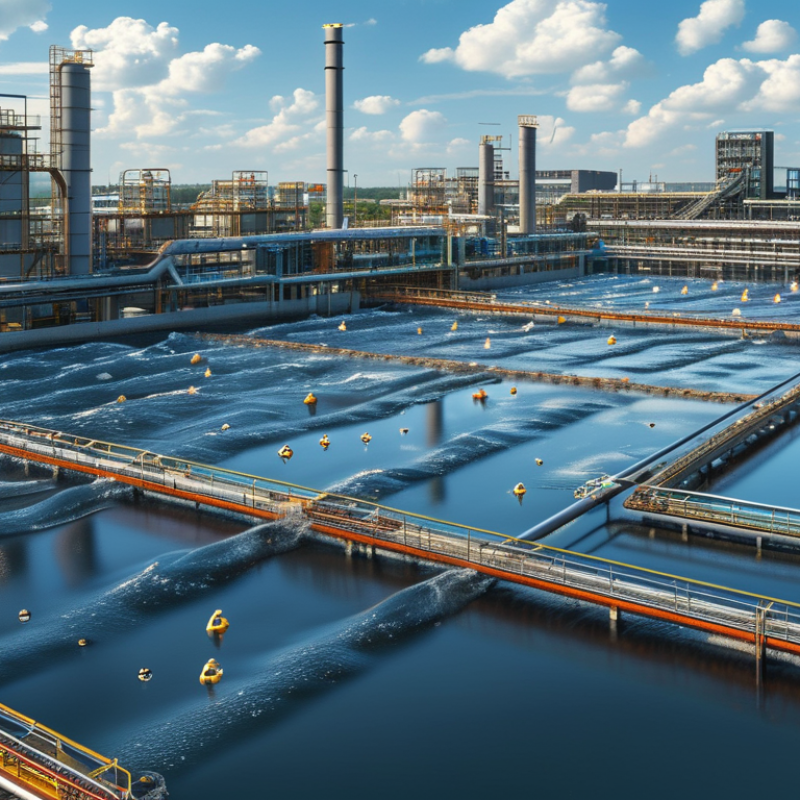
In 2026, industrial wastewater treatment systems are evolving rapidly. These systems are crucial for removing contaminants before water is released into the environment. Advanced technologies are now more efficient and cost-effective. Increased awareness of environmental issues drives these changes.
Newer methods focus on biological treatment and membrane filtration. These technologies allow for better removal of pollutants. Some industries are experimenting with zero-liquid discharge techniques. This approach minimizes wastewater generation and maximizes resource recovery. However, not all companies have adopted these technologies yet.
Many facilities face challenges in implementation. Cost and complexity remain significant barriers. Training staff on new systems is also necessary. Furthermore, some technologies still require further research to enhance performance. It's clear that while progress is promising, constant evaluation is essential for improvement.
Key Technologies Driving Innovation in Waste Water Treatment
The wastewater treatment industry is evolving rapidly, driven by technological innovation. A recent report from the Global Water Intelligence estimates that the wastewater treatment market will reach $430 billion by 2026. This expansion highlights the demand for advanced technologies that improve efficiency and sustainability.
Membrane bioreactor (MBR) technology is gaining traction. It offers high-quality effluent and reduces the footprint of treatment plants. According to a study published in the Journal of Water Process Engineering, MBR systems can increase the removal rates of pollutants by up to 99%. This efficiency is creating a shift towards more compact and effective wastewater solutions.
Another compelling technology is the use of artificial intelligence and machine learning for process optimization. These technologies enhance predictive maintenance and operational performance. A report from the American Water Works Association shows that AI can reduce energy costs by as much as 20% in treatment facilities. However, challenges such as data integration and cybersecurity must be addressed to fully leverage these innovations. The progress in wastewater treatment remains promising, though not without its complexities.
Comparative Analysis of Leading Waste Water Treatment Solutions
In 2026, industrial wastewater treatment systems are expected to evolve significantly. A comparative analysis shows a shift towards more efficient and sustainable solutions. According to a recent industry report, nearly 75% of companies are prioritizing advanced membrane technologies. These systems can reduce energy consumption by up to 30%, making them appealing for industries aiming for sustainability.
However, not all technologies are perfect. While some advanced systems may excel in efficiency, they often require higher initial investments. A significant percentage of companies report challenges in scaling these technologies effectively. Additionally, staff training is vital. The lack of skilled personnel can hinder the successful implementation of complex systems.
Moreover, hybrid solutions are gaining traction. These combine biological treatment with physical processes, offering flexibility. The Global Water Intelligence report states that such systems can enhance removal rates of contaminants. Yet, they come with operational complexities that need careful management. The balance between cost, efficiency, and ease of use will shape the choices organizations make.
Regulatory Trends Impacting Waste Water Treatment Systems
Regulatory trends are reshaping waste water treatment systems in 2026. Operators must navigate a complex landscape of compliance requirements. New regulations often focus on stricter discharge limits, particularly for pollutants like phosphates and nitrates. This shift compels industries to adopt advanced treatment technologies, aimed at reducing harmful contaminants.
Tips: Regular training for staff on compliance updates is crucial. Ensure everyone understands the changing regulations. This minimizes the risk of violations and unexpected fines.
Many facilities struggle to keep up with these changes. Aging infrastructure often hinders progress. Additionally, some companies may hesitate to invest in new systems. However, those who adapt quickly can achieve significant cost savings through improved efficiency.
Tips: Conduct regular audits of waste water treatment processes. Identifying gaps can guide necessary upgrades effectively. Engaging with technology providers can also offer insights into innovative solutions.
Future Challenges and Opportunities in Industrial Waste Water Management
In 2026, industrial waste water treatment faces significant challenges. One main issue is the aging infrastructure in many facilities. This can lead to inefficiencies and increased pollution. Companies need to invest in modern technologies to overcome these obstacles. However, high upfront costs may deter some businesses from taking the necessary steps.
Another challenge is regulatory compliance. Stricter government regulations are expected, pushing companies to adapt. Meeting these new standards requires advanced strategies. Many industries struggle with balancing operational costs and compliance demands. The finest waste water systems must incorporate flexibility to adjust to evolving regulations.
On the opportunity side, innovations in treatment methods are emerging. Membrane bioreactors and advanced oxidation processes show promise. These technologies can improve efficiency and reduce environmental impact. There is also a growing market for water reuse and recycling systems. Companies that adapt to these technologies may gain a competitive edge. Reflections on sustainability will be essential for future planning in industrial sectors.