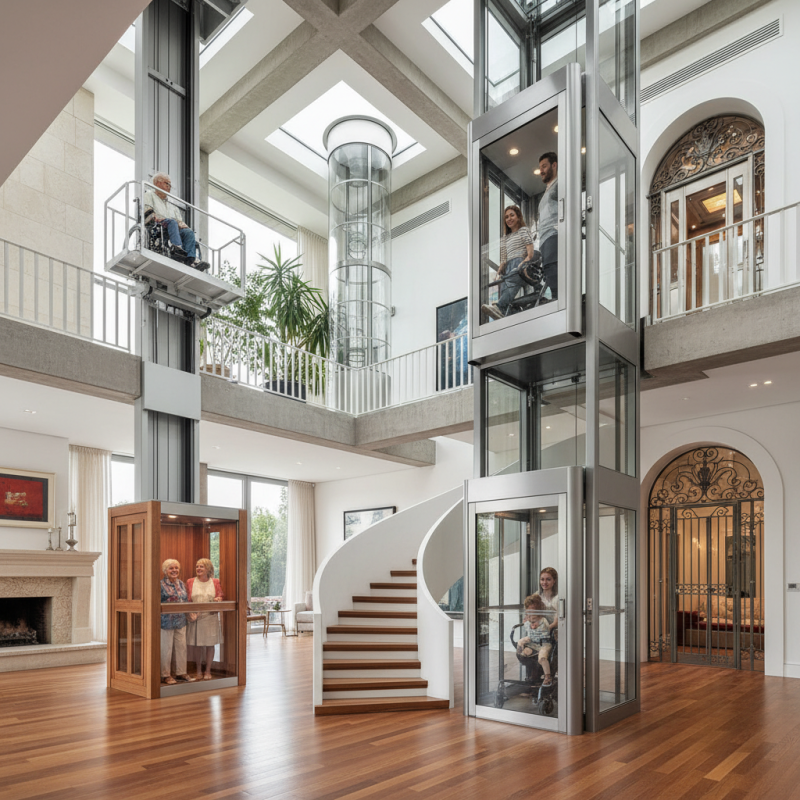
Top 5 Best Home Elevators for Every Budget in 2026?
In recent years, the demand for Home Elevators has surged. Industry reports indicate that the global home elevator market is projected to reach $4 billion by 2026. Many homeowners seek convenience, especially as they age. A home elevator can enhance accessibility for everyone, from young families to elderly individuals.
Choosing the right home elevator for your needs can be challenging. Budget plays a critical role in decision-making. Options range from affordable lift systems to more luxurious models. It is important to consider both functionality and style. Moreover, installation requirements vary widely across models.
While the benefits are clear, there are also challenges. Maintenance costs can add up, and not all designs suit every home. It is crucial to reflect on these factors carefully before investing. Finding the perfect balance between quality and cost will enhance your living space significantly.
Top Factors to Consider When Choosing a Home Elevator
Choosing a home elevator can be an overwhelming task. Think about the space available in your home. Measure the areas where the elevator will go. Ensure nothing blocks the installation. Consider the layout of your home. A compact design may fit better in smaller spaces.
Cost is another critical factor. Elevators come in various price ranges. Decide on a budget that works for you. Remember, low prices can mean fewer features. Sometimes, investing a bit more can result in significant long-term savings. Look for options that provide good value without compromising quality.
Safety features are non-negotiable. Check if the elevator has proper emergency protocols in place. Look for safety certifications. Noise levels are also important. Some elevators can be quite loud, disrupting the peace in your home. Testing the unit before making a decision might help you avoid future regrets.
Budget-Friendly Home Elevators: Features and Benefits
Home elevators are becoming a popular choice for many homeowners. They offer convenience and improve accessibility. According to a recent industry report, home elevator installations have increased by 15% over the past two years. This trend shows that more people see their value.
Budget-friendly home elevators often come with essential features. Basic models can include automatic doors and simple control panels. These elevators typically cost between $8,000 and $15,000. A recent survey indicated that homeowners appreciate these features. They provide safety and ease of use without breaking the bank.
However, some aspects require careful consideration. Not all budget elevators have the same quality. Materials and mechanics can vary significantly. Regular maintenance is crucial for long-term usability. Skipping this can lead to costly repairs or safety issues. Making informed choices is key when investing in a home elevator.
Luxury Home Elevators: Top Options for Upscale Living
When it comes to upscale living, luxury home elevators stand out as a statement of elegance. They blend convenience with advanced technology. These elevators can transform how you experience your home. Imagine gliding effortlessly between floors, enhanced by stunning designs. Many options showcase spacious interiors with beautiful finishes. This isn’t just functionality; it’s a lifestyle choice.
A luxurious elevator can enrich your home’s value and appeal. Consider features like smart controls and energy efficiency. Voice-activated systems simplify operation. However, installation requires careful planning. Space needs to be allocated properly. Some homes might not be designed for such upgrades. Think about accessibility too. Is the design user-friendly for all guests?
Exploring different styles can be exciting. From sleek glass models to classic wooden designs, options are vast. Lighting plays a pivotal role. Ambient lighting can create a warm atmosphere. It can also highlight the elegance of the design. Taking the time to choose the right style is essential. Consider how it fits with your home’s overall aesthetic.
Top 5 Best Home Elevators for Every Budget in 2026
| Elevator Type | Price Range | Weight Capacity | Speed (ft/min) | Key Features |
| Hydraulic | $30,000 - $50,000 | 1,000 lbs | 70 | Smooth ride, energy-efficient, customizable sizes |
| Pneumatic | $40,000 - $60,000 | 450 lbs | 30 | Space-saving design, no need for a machine room |
| Cable | $25,000 - $45,000 | 1,400 lbs | 100 | Fast, reliable, can travel multiple floors |
| Screw | $15,000 - $30,000 | 950 lbs | 10 | Eco-friendly, low maintenance, easy installation |
| Home Lift | $20,000 - $35,000 | 750 lbs | 40 | Compact, stylish, multiple design options |
Innovative Technology in Modern Home Elevators
Home elevators have evolved significantly in recent years. Modern designs focus on functionality and aesthetic appeal. Innovative technology is at the forefront of these advancements. For instance, many home elevators now operate silently. This feature enhances the comfort of your living space. Smart home integration is another exciting trend. You can control your elevator with a simple voice command or through an app.
Safety features have also improved. Many models include brakes that activate in emergencies. Some are equipped with sensors that detect obstacles. Designers are paying close attention to energy efficiency as well. Homeowners are looking for elevators that minimize their carbon footprint. It’s crucial to balance luxury and practicality. The market sometimes oversells features that may not be necessary.
The materials used in these elevators are becoming more diverse. Options range from sleek glass to warm wood finishes. Yet, not every design feels right in every home. It takes time to find the perfect fit for your space. You may encounter challenges when customizing your elevator. Sometimes, it requires more than just aesthetic consideration. Overall, the technology is advancing, but personal needs must align with these innovations.
Safety Standards and Regulations for Home Elevators
Home elevators must meet strict safety standards and regulations. These standards are essential in ensuring user safety and preventing accidents. The American Society of Mechanical Engineers (ASME) has set guidelines for residential elevators. Compliance with ASME A17.1 is crucial for manufacturers and installers. This standard covers design, construction, installation, and maintenance.
Regulatory bodies often perform inspections to ensure safety compliance. A study in 2022 indicated that over 25% of elevators fail initial safety inspections. Common issues include improper installation and outdated components. Homeowners should prioritize regular maintenance to mitigate risks. Many states mandate annual inspections for residential lifts, reflecting the ongoing need for vigilance.
The cost of non-compliance can be severe. In some regions, fines for safety violations can exceed $5,000. Moreover, unsafe elevators can lead to accidents, resulting in injuries or lawsuits. It’s important for homeowners to understand local regulations. This often overlooked aspect can protect both their investment and their safety.