Top 10 Electrical Breakers You Need for Safe Power Management?
When it comes to managing electrical systems, safety is paramount. Electrical Breakers play a crucial role in protecting both your home and workplace. These devices prevent overloads and short circuits, ensuring that your appliances remain safe and functional. Investing in the right breakers can save you from potential hazards and costly damages.
Understanding the types of Electrical Breakers available is essential. Each type has unique features tailored for specific applications. Circuit breakers, for instance, help detect electrical faults. They disconnect power when necessary, minimizing risks. However, selecting the right breaker isn't always straightforward. Many people overlook compatibility issues, which can lead to inefficient performance.
Choosing top-notch Electrical Breakers requires knowledge and experience. It's not just about picking a product off the shelf. You need to consider factors like amperage, voltage rating, and environmental conditions. Many users fall into the trap of thinking all breakers are the same. This is a common misstep. Without proper insight, you may end up with inadequate protection for your devices.
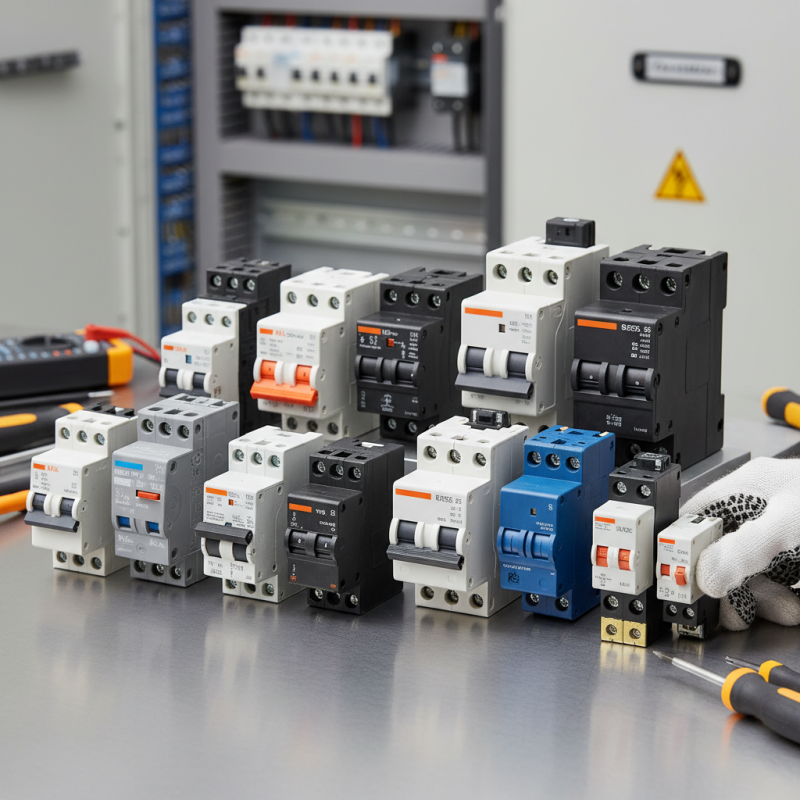
Key Functions and Importance of Electrical Breakers in Power Management
Electrical breakers are essential components for safe power management in any electrical system. They protect your home or business from overloads and short circuits. By interrupting the flow of electricity, breakers prevent potential damage to wiring and appliances. This function is key in ensuring the safety and longevity of your electrical systems.
Having the right electrical breakers is crucial. Different environments may require specific breaker types to handle power loads effectively. For instance, a home circuit might demand a residential breaker, while industrial settings often need more robust options. These distinctions matter. Choosing the wrong breaker can lead to inefficiencies or hazards.
Despite their importance, many people overlook the need for regular inspections. Faulty breakers might not trip during an overload, posing risks. Understanding how breaks operate, and recognizing signs of wear can prevent accidents. Ensure you stay informed and maintain your electrical panels. Systems evolve, and so should your knowledge about them. Being proactive in your power management is always wise.
Top 10 Electrical Breakers for Safe Power Management
Types of Electrical Breakers: A Comprehensive Overview
Electrical breakers are vital for safe power management in residential and commercial settings. They are designed to prevent overload and short circuits. The types of electrical breakers include circuit breakers, ground fault circuit interrupters (GFCIs), and surge protective devices (SPDs). Each type has specific applications and benefits. For example, GFCIs are crucial in wet areas, such as kitchens and bathrooms, reducing the risk of electric shock by interrupting the circuit when they detect an imbalance.
Understanding these types can help enhance safety. According to the National Fire Protection Association, electrical failures account for more than 50,000 home fires annually. This figure underscores the importance of choosing the right breaker type. While circuit breakers protect against overload, they may not detect ground faults, which is where GFCIs come into play. Electrical systems require regular assessment to ensure breakers are functioning properly. Neglect might lead to inadequate protection, making it essential for building managers and homeowners to familiarize themselves with each type.
The complexity of electrical systems means that mistakes can arise during installation or maintenance. Choosing the wrong type of breaker can have severe consequences. Regularly updating knowledge about the latest safety standards and breaker technologies is crucial. Trained professionals should perform evaluations to ensure compliance and prevent potential hazards. This ongoing education aids in better decision-making for power management.
Top 10 Electrical Breakers You Need for Safe Power Management
| Breaker Type | Amperage | Voltage Rating | Application | Features | Recommended Use |
| Miniature Circuit Breaker (MCB) | 2-63 A | 230/400 V | Residential & Commercial | Overload & Short Circuit Protection | Lighting & General Power |
| Residual Current Circuit Breaker (RCCB) | 30-300 mA | 230/400 V | Safety | Earth Fault Protection | Wet Areas & Outdoor Use |
| Earth Leakage Circuit Breaker (ELCB) | 15-300 mA | 230/400 V | Protection | Earth Fault Monitoring | Residential Safety |
| Molded Case Circuit Breaker (MCCB) | 16-2500 A | 230/400 V | Industrial | Adjustable Trip Settings | Industrial Machinery & Heavy Loads |
| Smart Circuit Breaker | Up to 63 A | 230 V | Smart Home | Remote Monitoring & Control | Energy Management |
| Dual Function Circuit Breaker | 10-100 A | 230 V | Residential | Overload & Ground Fault Protection | General Use |
| Air Circuit Breaker (ACB) | 400-3000 A | 400 V | Large Scale | High Capacity & Short Circuit Protection | Substations & Industrial Plants |
| Hydraulic Magnetic Circuit Breaker | 10-100 A | 120/240 V | Light Industrial | Quick Response Time | Commercial & Light Industrial Use |
| Single Pole Breaker | 15-60 A | 120 V | Residential | Compact Design | Lighting Circuits |
| Surge Protective Device (SPD) | Varies | Varies | Protection | Surge Protection from Lightning | Whole House Protection |
Top 10 Recommended Electrical Breakers for Safety and Efficiency
Electrical breakers are vital for ensuring safety and efficiency in power management. High-quality breakers can prevent overloads and short circuits. Reports indicate that faulty breakers account for 30% of electrical fires. Selecting the right breaker is essential for any residential or commercial setup.
When choosing electrical breakers, consider their trip ratings. A higher rating provides better protection against surges and overloads. The National Fire Protection Association recommends using breakers that trip within specified limits to enhance safety. It’s important to assess your power needs correctly. Overestimating can lead to inadequate protection.
**Tip:** Regularly inspect your breakers. Look for signs of wear or discoloration. This can help avoid potential hazards.
The efficiency of electrical breakers can also affect energy costs. Energy-efficient models reduce consumption. However, efficiency can drop if a breaker is improperly rated. A common mistake is using breakers that are too high for specific circuits. Be cautious and consult an electrician if unsure.
**Tip:** Label all circuits clearly. This will help identify issues quickly, minimizing downtime.
Installation and Maintenance Tips for Electrical Breakers
When it comes to electrical breakers, proper installation and maintenance are crucial for safety and performance. Ensure you choose the right type of breaker for your needs. Every installation begins with a comprehensive inspection of existing wiring. Check for any frayed wires or loose connections. These issues can lead to failures or hazards down the line.
During installation, secure all connections tightly. Loose wires can cause sparks or shorts. Consider labeling your breakers; it simplifies troubleshooting in emergencies. Regular maintenance is just as important. Routinely inspect breakers for signs of wear or damage. Listen for unusual sounds that might indicate a problem. Establish a schedule for these checks.
While these steps seem straightforward, many overlook them. Ignoring minor issues can lead to significant risks. Reflect on your past experiences; has neglect led to failures? A small oversight can have huge consequences in electrical systems. Stay aware and proactive. Regular maintenance fosters safety and reliability in your home.
Common Issues and Troubleshooting for Electrical Breakers Usage
Electrical breakers are essential for safe power management, but they can present several common issues. One frequent problem is tripping. Breakers trip to protect circuits from overloads or short circuits, but they may also trip frequently due to loose wiring or faulty equipment. Always inspect your devices before assuming a breaker is at fault.
Another common issue is the inability to reset the breaker. This might stem from a persistent overload or a malfunction within the breaker itself. If the breaker won't reset, check for signs of damage or wear. Over time, breakers can wear out. Monitoring their performance and knowing when to replace them can save you from unexpected power failures.
Regular maintenance is important for optimal functioning. Dust and debris can enter the panel, affecting the breaker’s operation. Clean your breaker box periodically to prevent breakdowns. However, be cautious when dealing with live circuits. If you’re unsure, consult a qualified electrician for help. This can prevent accidents and ensure a reliable power supply.