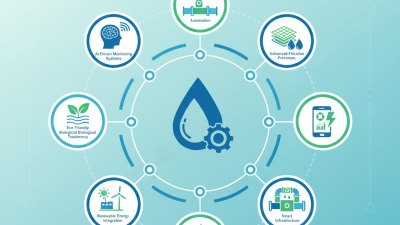
Top Digital Solutions for Wastewater Treatment Systems?
The management of wastewater is crucial for a sustainable future. A reliable wastewater treatment system ensures the safe disposal and recycling of water. With the rising population and industrial activities, effective solutions have never been more necessary.
Digital technologies have emerged as game-changers in the wastewater sector. They enhance efficiency and reduce operational costs. These solutions promote real-time monitoring and data analysis. However, not all technologies fit every treatment system perfectly. Each facility has its unique challenges and requirements.
Implementing the wrong system can lead to operational failures and increased pollution risks. It's essential to evaluate options critically. This is where expertise and experience play vital roles. Stakeholders must collaborate closely to identify tailored solutions that meet specific needs. Balancing innovation with practicality is key for a successful wastewater treatment system.

Overview of Wastewater Treatment Systems and Their Digital Solutions
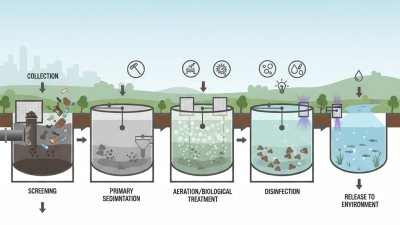
Wastewater treatment systems are vital for protecting our water resources. They help in removing contaminants from water before it is released back into the environment. The increasing demand for clean water has led to advancements in digital solutions for these systems. According to a recent report by the Global Water Intelligence, the digitalization of water infrastructure can reduce operational costs by up to 25%. Utilizing data analytics can optimize the entire treatment process, improving efficiency.
Digital solutions also offer real-time monitoring capabilities. These systems can detect issues such as equipment failures or fluctuations in water quality instantly. For example, sensors placed in treatment plants can provide live data that helps operators address problems before they escalate. A study found that predictive maintenance through digital tools can prevent 30% of unexpected breakdowns. This not only ensures smoother operations but also enhances reliability in service.
Tip: Regularly review your digital tools to ensure they are up-to-date. Outdated software can lead to inefficiencies. Consider training staff on the latest technologies to maximize performance. By investing in continuous learning, institutions can better handle challenges in wastewater management.
Tip: Set clear metrics for success when implementing new digital solutions. Be realistic about what can be achieved initially. Regular feedback and adjustment are crucial for long-term progress in wastewater management.
Key Technologies in Digital Wastewater Treatment Solutions
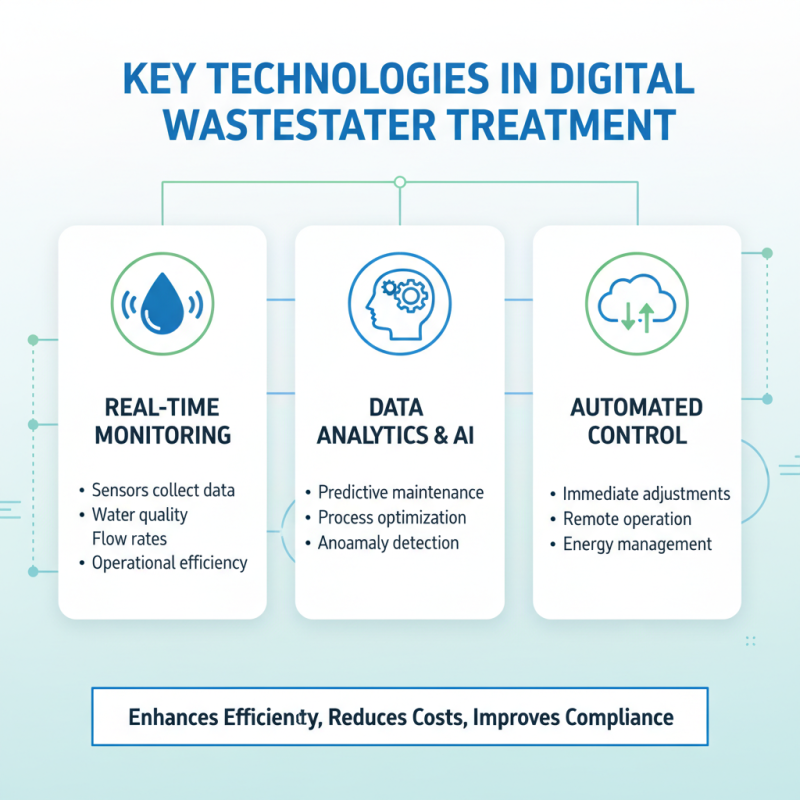
Digital technologies are transforming wastewater treatment systems. These advancements enhance efficiency, reduce costs, and improve environmental compliance. One key technology is real-time monitoring. Sensors collect data on water quality, flow rates, and operational efficiency. This information allows for immediate adjustments in treatments.
Another significant innovation is predictive maintenance. By analyzing operational data, systems can predict failures before they happen. This reduces downtime and maintenance costs. Machine learning algorithms can identify patterns and suggest optimal operating conditions. However, implementing these technologies can be complex. Staff must be trained to interpret data accurately.
Automation is redefining labor needs. Automated systems can manage many tasks previously done by humans. This capability can streamline operations but may also raise concerns about job losses. Stakeholders must balance efficiency gains with workforce implications. Embracing these technologies will require ongoing assessment and adaptation in wastewater management practices.
Benefits of Implementing Digital Solutions in Wastewater Management
The integration of digital solutions in wastewater treatment is revolutionizing management practices. According to a report from the International Water Association, up to 40% of utility budgets can be saved through advanced digital technologies. These technologies improve efficiency and reduce the risk of treatment failures. Implementing smart sensors and IoT devices allows for real-time monitoring of water quality. This ensures timely interventions, ultimately protecting public health and the environment.
Operational data tracked through digital platforms offers insights into system performance. A study from the Water Environment Federation indicates that using data analytics can enhance the decision-making process by 30%. This is crucial in optimizing treatment operations. Additionally, predictive maintenance models reduce downtime and extend equipment life. Yet, the learning curve for staff may pose challenges. Training is essential, as relying solely on technology without proper understanding can lead to oversight.
Tip: Focus on employee training to maximize the benefits of digital tools. Regular workshops can ensure that staff are equipped to handle these new systems proficiently. Balancing technology with skilled personnel is vital for long-term success. Emphasizing continuous learning can facilitate smoother transitions to digital controls.
Top Digital Solutions for Wastewater Treatment Systems
| Solution Type |
Description |
Key Benefits |
Implementation Cost |
| Real-time Monitoring Systems |
Systems that provide continuous tracking of water quality and treatment processes. |
Improved compliance, early detection of issues, and enhanced operational efficiency. |
$15,000 - $30,000 |
| Data Analytics Software |
Tools that analyze historical data to optimize treatment processes. |
Informed decision-making, predictive maintenance, and cost savings. |
$10,000 - $25,000 |
| Automation Systems |
Automated control of treatment processes to reduce manual intervention. |
Increased efficiency, reduced labor costs, and consistent treatment quality. |
$20,000 - $50,000 |
| Remote Management Systems |
Ability to control and monitor water treatment operations from remote locations. |
Enhanced flexibility, reduced need for on-site personnel, and quicker response times. |
$18,000 - $40,000 |
| Mobile Apps |
Applications for field personnel to track metrics and report issues on-site. |
Improved communication, faster issue resolution, and increased data accuracy. |
$5,000 - $15,000 |
Case Studies of Successful Digital Solutions in Wastewater Treatment
Digital solutions are transforming wastewater treatment systems. Various case studies highlight innovative approaches that enhance efficiency and sustainability. For example, smart sensors monitor water quality in real-time, allowing operators to respond quickly to changes. These sensors collect data that drive better decision-making.
In one case, a facility implemented automated controls for chemical dosing. This reduced chemical usage and costs significantly. However, the initial investment and training posed challenges. Staff needed time to adapt to the new system. Despite the hurdles, the long-term benefits outweighed their initial concerns.
Another facility employed predictive analytics to anticipate equipment failures. This proactive measure minimized downtime and repair costs. Although the analytics tools improved maintenance schedules, misinterpretation of data occasionally led to unnecessary repairs. Such cases emphasize the need for continuous learning and adaptation in digital practices. Implementing these solutions can be complex, but the rewards are substantial.
Future Trends in Digital Technology for Wastewater Treatment Systems
The future of wastewater treatment systems is rapidly shifting towards digital technology. Reports indicate that the global water and wastewater treatment market is projected to reach USD 626.28 billion by 2028, growing at a CAGR of 6.5%. This indicates a strong demand for innovative solutions. Digital solutions such as IoT sensors and data analytics are leading this transformation, enabling real-time monitoring and predictive maintenance.
Emerging trends show that artificial intelligence is becoming essential for optimizing treatment processes. AI algorithms can analyze large data sets to improve decision-making. They help identify inefficiencies, reduce energy consumption, and enhance water quality. However, implementing AI comes with challenges. Staff training and data privacy need careful consideration. Misinterpretation of data may lead to costly mistakes.
The role of blockchain in wastewater management is also gaining traction. Its decentralized nature promotes transparency among stakeholders. Yet, its scalability and integration with existing systems remain uncertain. Industry leaders must continuously adapt to these evolving technologies while addressing potential pitfalls. Balancing innovation with practical application is vital for sustainable progress in the wastewater treatment sector.
Top Digital Solutions for Wastewater Treatment Systems
This chart illustrates the adoption rates of various digital solutions in wastewater treatment systems. The highest adoption is seen in Data Analytics, followed closely by IoT Monitoring and AI Optimization, showcasing the trend towards increasingly digital and automated systems in waste management.