What is Sewage Water Treatment Process and Its Importance?
Sewage water treatment plays a vital role in maintaining public health and environmental safety. This process involves several stages that transform contaminated water into a cleaner state. The significance of sewage water treatment cannot be overstated. Proper treatment protects water resources and prevents pollution.
In urban areas, the volume of sewage water is substantial. This demands efficient treatment processes. However, many treatment plants face challenges like aging infrastructure. Delays in upgrades can lead to inefficiencies. Additionally, public awareness about the importance of sewage water treatment is often low, creating a gap in understanding.
Investment in better treatment technologies is crucial. Innovative solutions could enhance efficiency and effectiveness. Engaging communities can raise awareness about the benefits of proper sewage water management. Reflecting on current practices highlights the need for improvement to safeguard our environment.
Overview of Sewage Water Treatment Process
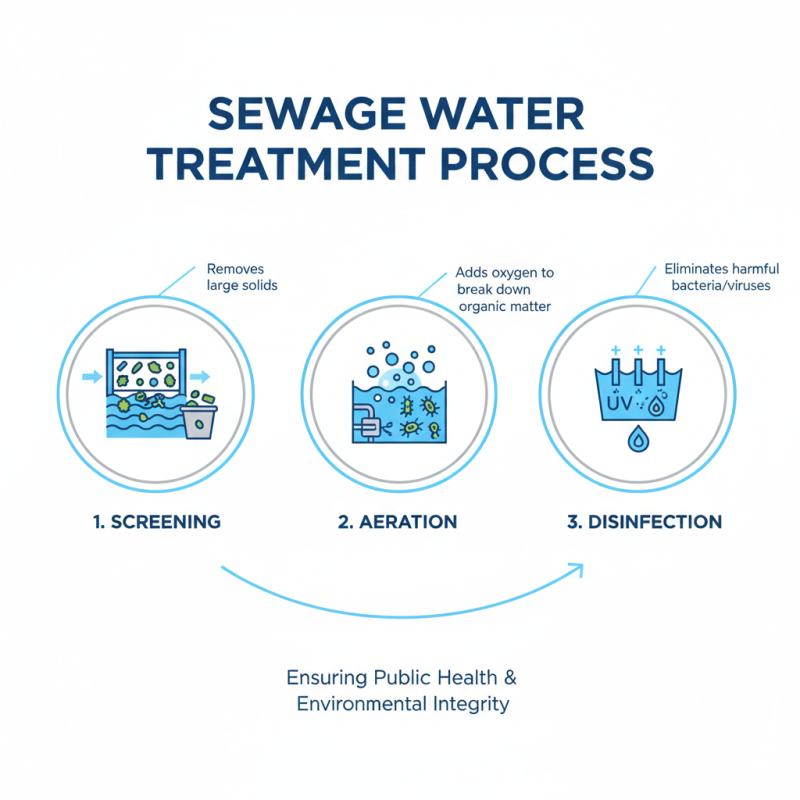
The sewage water treatment process is crucial for maintaining public health and environmental integrity. It typically involves multiple stages to remove contaminants from wastewater. The primary steps include screening, aeration, and disinfection. During the screening phase, large solids are removed. This prevents damage to equipment in later stages.
After screening, the water undergoes aeration. This step introduces air into the water, promoting the growth of beneficial bacteria. These bacteria break down organic matter. However, not all bacteria are beneficial. Some can hinder the process, leading to issues in treatment efficiency.
Tips: Regular maintenance is important. Check equipment frequently to avoid malfunctions. Also, community awareness plays a key role. Educating the public about what not to flush can reduce contamination.
Finally, after the bacteria have done their job, disinfection is performed. This step typically uses chlorine or ultraviolet light to kill remaining pathogens. While effective, the use of chlorine can create harmful byproducts. Therefore, alternatives should be explored. By continuously evaluating and improving processes, we ensure cleaner water for future generations.
Stages of Sewage Treatment: Primary, Secondary, and Tertiary
The sewage water treatment process plays a vital role in maintaining public health and the environment. It consists of three main stages: primary, secondary, and tertiary treatment. Each stage targets specific pollutants, aiming to produce cleaner water for safe release back into nature.
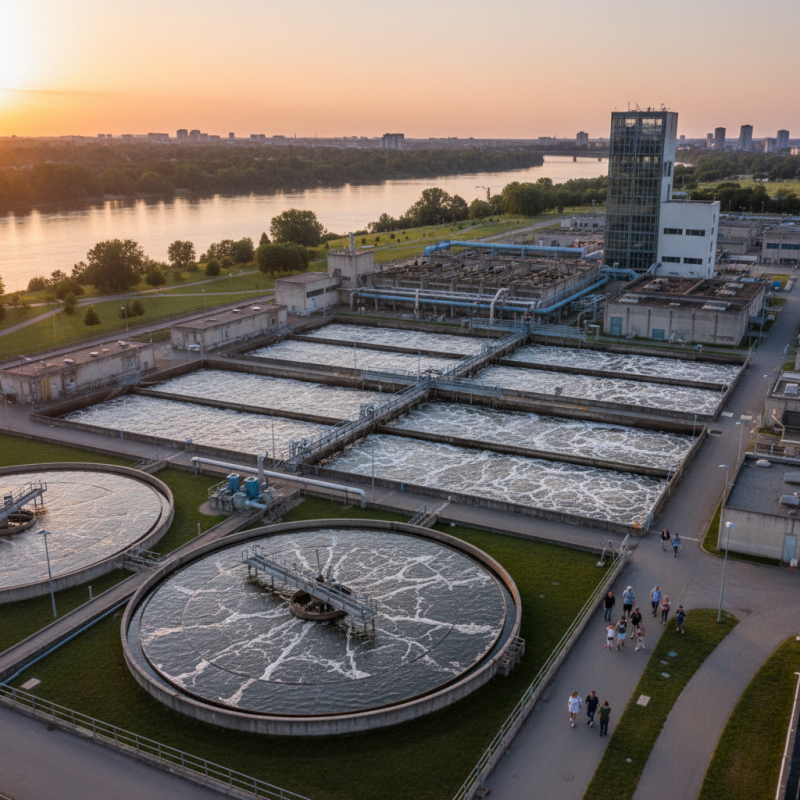
In the primary stage, physical methods are used to remove larger solids from sewage. Screens and sedimentation tanks filter out debris like paper and plastics. However, this stage often leaves many contaminants behind, such as dissolved organic matter. This raises questions about how clean the most basic treatment really is.
Next is secondary treatment, where biological processes kick in. Microorganisms break down organic matter in aeration tanks. This stage drastically reduces the pollutants, but it might not eliminate everything. Sometimes, harmful bacteria can survive this stage. This suggests a need for ongoing improvements in treatment methods to ensure safety.
Finally, tertiary treatment is the last line of defense. It further purifies water using advanced techniques like filtration and chlorination. This stage can significantly enhance water quality. Yet, it is often the most overlooked part of the process. Many facilities lack the resources to implement effective tertiary systems. Overall, ensuring cleaner waterways requires ongoing reflection and effort across all treatment stages.
Importance of Sewage Treatment for Public Health and Environment
Sewage treatment plays a crucial role in protecting public health. Untreated sewage can spread diseases. Contaminated water can harbor harmful bacteria and viruses. This significantly increases the risk of waterborne illnesses. Communities without proper sewage systems face serious health challenges. Vulnerable populations, such as children and the elderly, are particularly at risk.
The environment also suffers without effective sewage treatment. Polluted water bodies can lead to ecosystem degradation. Aquatic life is affected by high nutrient levels, causing algal blooms. These blooms reduce oxygen in the water, harming fish populations. Moreover, untreated sewage can contaminate drinking water sources. This contamination creates further public health crises. Despite advancements in sewage treatment, some systems still require major improvements. Many facilities operate below capacity, exposing weaknesses in infrastructure. Proper investment and maintenance are necessary for a sustainable solution.
Sewage Water Treatment Process and Its Importance
| Dimension |
Data |
| Average Daily Sewage Generation (liters/capita) |
150 |
| Sewage Treatment Plants in Operation |
25,000 |
| U.S. Population Served by Sewage Treatment |
75% |
| Percentage of Treated Sewage Returned to Waterways |
85% |
| Common Methods of Sewage Treatment |
Activated Sludge, Trickling Filter, Anaerobic Digestion |
| Health Benefits of Sewage Treatment |
Reduces Waterborne Diseases, Improves Public Health |
| Environmental Benefits of Sewage Treatment |
Protects Ecosystems, Reuses Water Resources |
Technological Innovations in Sewage Water Treatment
The sewage water treatment process is crucial for maintaining public health and environmental safety. Recent reports indicate that about 80% of global wastewater is released into the environment without adequate treatment. This neglected issue can lead to serious waterborne diseases and ecological damage. Technological innovations in sewage treatment have emerged as game changers in this field. Advanced filtration systems and biological treatment methods are now more efficient than ever.
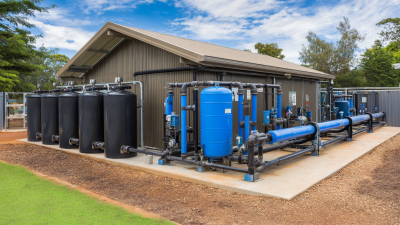
Energy-efficient technologies, such as anaerobic digestion, can reduce operational costs while generating renewable energy. These innovations are reshaping how municipalities manage sewage. For instance, the implementation of decentralized treatment systems is gaining traction. These systems can treat wastewater close to its source, minimizing transport costs and risks.
Tips: Regular maintenance of sewage infrastructure is vital. Small leaks or blockages can escalate into larger problems. Routine checks can prevent costly breakdowns. It’s essential to invest in training for personnel. Skilled workers can better navigate complex systems and ensure compliance with regulations. Balancing innovation with practical challenges remains a constant endeavor for the industry.
Sewage Water Treatment Process Efficiency
This bar chart illustrates the efficiency rates of various stages involved in the sewage water treatment process. As shown, the final effluent stage achieves the highest efficiency rate of 99%, highlighting the importance of advanced treatment technologies in ensuring clean water release into the environment.
Challenges and Future Directions in Sewage Treatment Systems
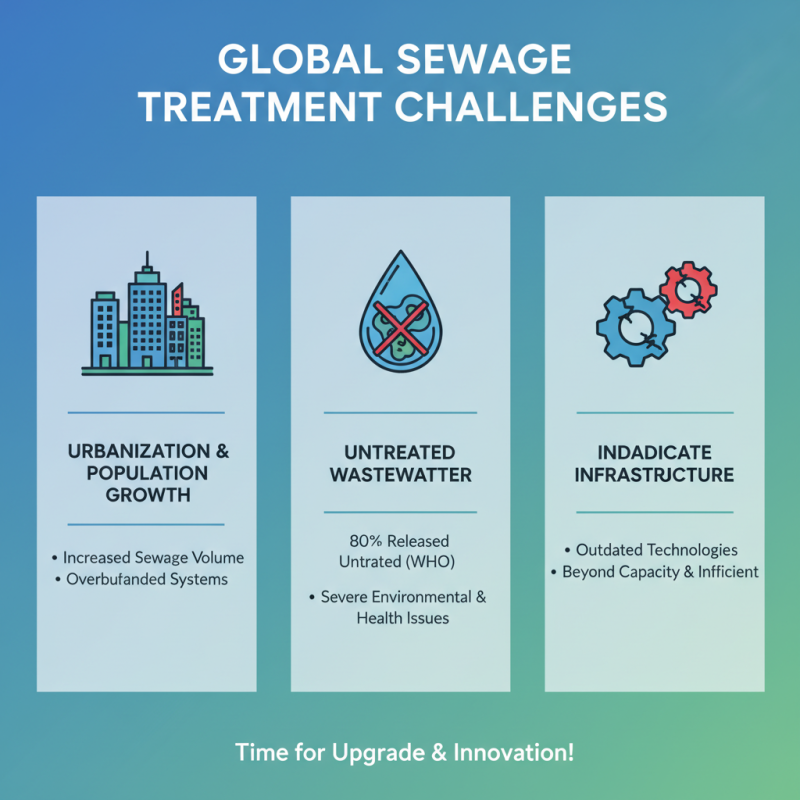
Sewage treatment systems face significant challenges in today's world. Urbanization and population growth have increased the volume of sewage requiring treatment. According to the World Health Organization, over 80% of wastewater worldwide is released untreated, leading to severe environmental issues. Inadequate infrastructure and outdated technologies exacerbate these problems. Many facilities operate beyond their capacity, resulting in inefficient treatment and potential health risks.
Moreover, climate change poses a new challenge. Increased rainfall and flooding can overwhelm sewage systems. A report from the International Water Association highlights that over 60% of sewage treatment plants are ill-prepared for extreme weather events. Additionally, nutrient overloading from agricultural runoff complicates treatment processes. As nutrients enter treatment plants, they can disrupt the microbial balance necessary for effective sewage processing.
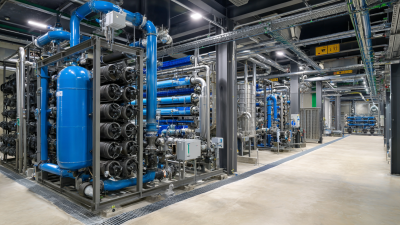
Technological innovation is essential for the future of sewage treatment. The sector demands investment in advanced treatment technologies. Research shows that innovative systems, like membrane bioreactors, can enhance efficiency. However, many facilities lack funding for these upgrades. Addressing these issues requires a comprehensive approach, including stakeholder collaboration and public awareness. The need for sustainable solutions is urgent.