2025 How to Optimize Waste Water Systems for Sustainability and Efficiency
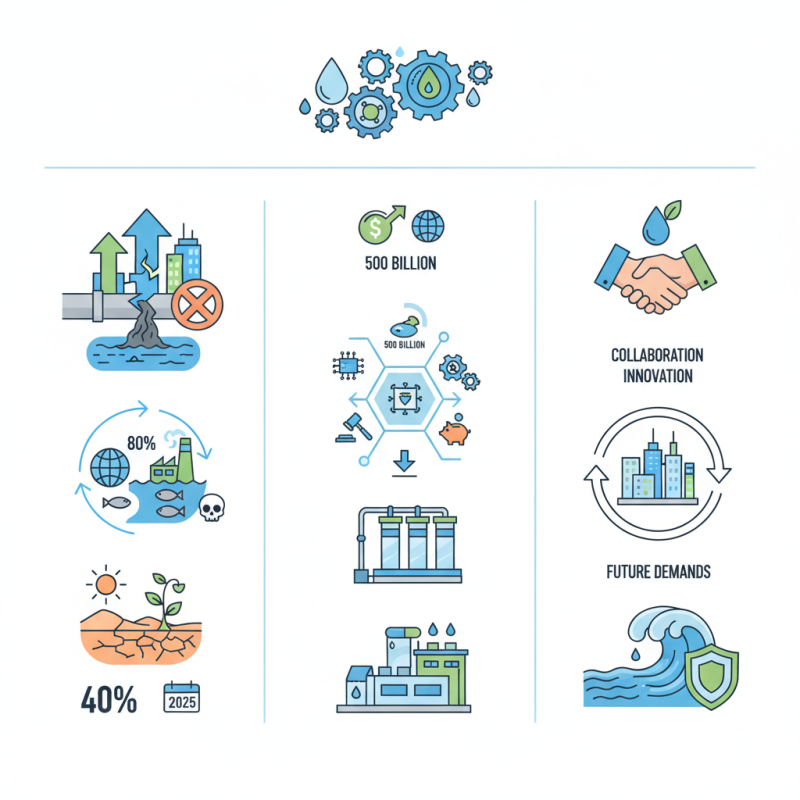
The increasing global population and rapid urbanization have intensified the pressure on waste water systems, necessitating innovative solutions for sustainability and efficiency. According to the World Bank, nearly 80% of global waste water is released into the environment without adequate treatment, leading to serious environmental and public health issues. Furthermore, the United Nations estimates that water scarcity will affect more than 40% of the global population by 2025, highlighting the urgent need to optimize waste water management practices to conserve water resources.
Optimizing waste water systems not only addresses environmental concerns but also presents significant economic opportunities. The global waste water treatment market is projected to reach over $500 billion by 2025, driven by advancements in technology and increasing regulatory measures. By implementing efficient waste water treatment technologies, municipalities and industries can not only enhance their sustainability practices but also reduce operational costs and improve service delivery. As we look toward 2025, it is imperative for stakeholders to collaborate and innovate in waste water systems, ensuring that they are equipped to meet future demands while protecting vital water resources.
Importance of Waste Water System Optimization for Sustainability
The optimization of wastewater systems is crucial for achieving sustainability in various sectors, especially as urbanization and industrial activities continue to escalate. By enhancing the efficiency of these systems, we can significantly reduce the environmental footprint associated with wastewater management. This includes implementing advanced treatment technologies and processes that minimize energy consumption and maximize resource recovery. Efficient wastewater systems not only improve water quality but also repurpose and recycle water, thereby conserving precious water resources in a time when fresh water is increasingly scarce.
Furthermore, optimized wastewater systems contribute to economic sustainability by reducing operational costs and creating new avenues for resource generation. By recovering valuable materials and energy from wastewater, facilities can offset treatment costs and promote circular economy principles. Additionally, the integration of innovative monitoring and control technologies allows for real-time data collection, enabling facilities to respond promptly to changes in wastewater composition and flow. This adaptability is essential for meeting regulatory standards while ensuring that systems operate at peak efficiency, underscoring the critical role that wastewater optimization plays in fostering a sustainable future.
2025 How to Optimize Waste Water Systems for Sustainability and Efficiency - Importance of Waste Water System Optimization for Sustainability
| Parameter |
Current Value |
Target Value (2025) |
Improvement (%) |
| Water Recovery Rate |
75% |
90% |
20% |
| Energy Consumption |
150 kWh/ML |
100 kWh/ML |
33% reduction |
| Sludge Generation |
1.5 tons/ML |
1.0 tons/ML |
33% reduction |
| Chemical Usage |
200 kg/ML |
120 kg/ML |
40% reduction |
| Carbon Footprint |
400 tons CO2e/year |
240 tons CO2e/year |
40% reduction |
Assessment of Current Waste Water Treatment Processes and Technologies
The evaluation of current waste water treatment processes and technologies is crucial to developing more sustainable and efficient systems. Traditional methods such as activated sludge, trickling filters, and anaerobic digestion have been widely used for decades. While effective in removing pollutants, these processes often require significant energy input and can produce substantial sludge that complicates disposal. Moreover, they may not adequately address emerging contaminants such as pharmaceuticals and microplastics, indicating a need for a reassessment of their effectiveness.
Recent advancements in waste water treatment technologies present promising alternatives aimed at improving efficiency and sustainability. Membrane bioreactors and advanced oxidation processes are emerging as leading methods in this field, providing higher removal rates of contaminants and reducing the overall footprint of treatment facilities. Additionally, integrating resource recovery techniques, such as nutrient recovery and biogas utilization, enhances the sustainability of waste water systems by converting waste into valuable resources. A comprehensive assessment of current technologies not only highlights their limitations but also guides the innovation of hybrid systems that combine the strengths of various treatment methods to create a more resilient and eco-friendly waste water management approach.
2025 Waste Water Treatment Process Efficiency
Strategies for Enhancing Efficiency in Waste Water Treatment Systems
The optimization of wastewater treatment systems is critical for enhancing sustainability and operational efficiency. A recent report by the International Water Association (IWA) indicates that improving wastewater treatment processes can lead to a reduction of up to 40% in operational costs, while also significantly lowering carbon emissions. By implementing advanced technologies such as membrane bioreactors and energy recovery systems, facilities can address water scarcity and contribute to a circular economy.
Tips for enhancing efficiency include adopting real-time monitoring systems. These technologies enable operators to make data-driven decisions, leading to optimized chemical usage and energy consumption. Studies have shown that facilities that integrated smart sensors saw a 25% increase in treatment efficiency. Moreover, regular maintenance routines and staff training on new technologies can further amplify these results, ensuring that systems run at peak performance.
Another key strategy is the integration of nutrient recovery processes. By reclaiming phosphorus and nitrogen from wastewater, treatment plants can not only mitigate environmental impacts but also create valuable resources for agricultural applications. According to the Global Water Intelligence (GWI), the market for nutrient recovery is projected to reach $1.5 billion by 2025, highlighting the financial benefits of sustainability in wastewater management. Implementing these measures not only enhances system efficiency but also promotes a resilient approach to water resource management.
Incorporating Renewable Energy Sources into Waste Water Management
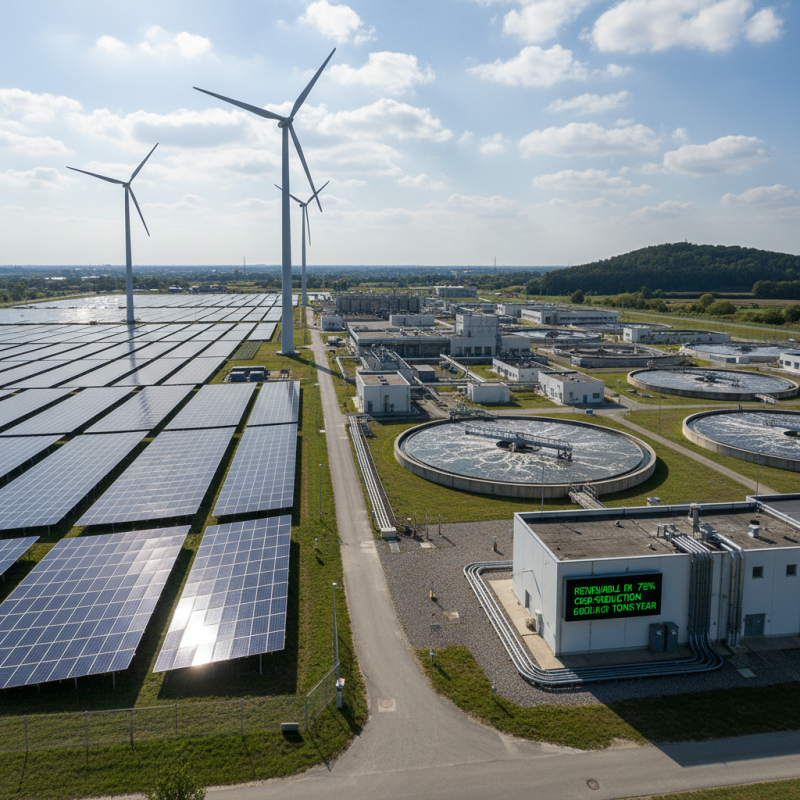
The integration of renewable energy sources into wastewater management systems is increasingly recognized as a pivotal strategy for enhancing sustainability and operational efficiency. According to the U.S. Environmental Protection Agency, wastewater treatment plants are significant energy consumers, accounting for about 3-4% of total electricity use in the United States. By harnessing renewable energy sources such as solar and wind power, these facilities can significantly reduce their reliance on fossil fuels, lower operational costs, and minimize their carbon footprint.
Adopting technologies like anaerobic digestion not only produces biogas for energy but also allows for the possibility of energy self-sufficiency. The International Water Association reports that by 2030, the global market for biogas from wastewater is projected to reach $2.5 billion, highlighting the growing potential for energy recovery. Moreover, solar power installations on facility rooftops or adjacent lands can provide substantial electricity, further improving the economic viability of wastewater treatment plants.
The shift towards renewable energy integration also aligns with global sustainability goals. The United Nations considers accessible and sustainable water management as essential for achieving 2030 Sustainable Development Goals (SDGs). By incorporating renewable energy sources, wastewater treatment facilities can optimize their operations while contributing to a more sustainable environment, ultimately enhancing their resilience against climate change impacts and resource scarcity.
Future Trends and Innovations in Sustainable Waste Water Treatment Solutions
As we look towards 2025, the landscape of sustainable wastewater treatment is evolving through groundbreaking innovations and emerging trends. One of the most prominent shifts is the integration of advanced technologies like IoT (Internet of Things) and AI (Artificial Intelligence) into wastewater management systems. These technologies enable real-time monitoring and data analytics, facilitating better decision-making and enhancing the efficiency of treatment processes. Smart sensors can now detect contaminants and assess water quality instantaneously, allowing for timely interventions that reduce resource consumption and energy usage.
Another significant trend is the focus on resource recovery within wastewater treatment facilities. Modern systems are increasingly designed to not merely treat water but to reclaim valuable resources such as nutrients and energy. Technologies like anaerobic digestion and biopolymer production are gaining traction, enabling facilities to transform waste into biogas or biofertilizers. This shift not only minimizes environmental impact but also promotes a circular economy, where waste is reimagined as a valuable input for other processes. As industries and municipalities recognize the importance of sustainable wastewater treatment, these innovations represent a pivotal movement towards creating more resilient and resource-efficient systems for the future.