10 Innovative Methods for Effective Waste Water Removal You Need to Know
Effective waste water removal is a critical aspect of environmental management and public health, especially in rapidly urbanizing regions. According to the World Bank, global water use is projected to increase by 50% by 2030, intensifying the challenge of treating contaminated water. The environmental repercussions of inadequate waste water management can lead to severe waterborne diseases, with the World Health Organization reporting that around 2 billion people rely on health care for diseases linked to unsafe water. Moreover, the United Nations has warned that by 2025, two-thirds of the world’s population may face water-stressed conditions. To combat these issues, innovative methods for waste water removal are not only essential but also imperative for sustainable development. This article will explore ten innovative techniques that can enhance waste water removal efficiency, ensuring cleaner water sources and promoting public health in communities worldwide.
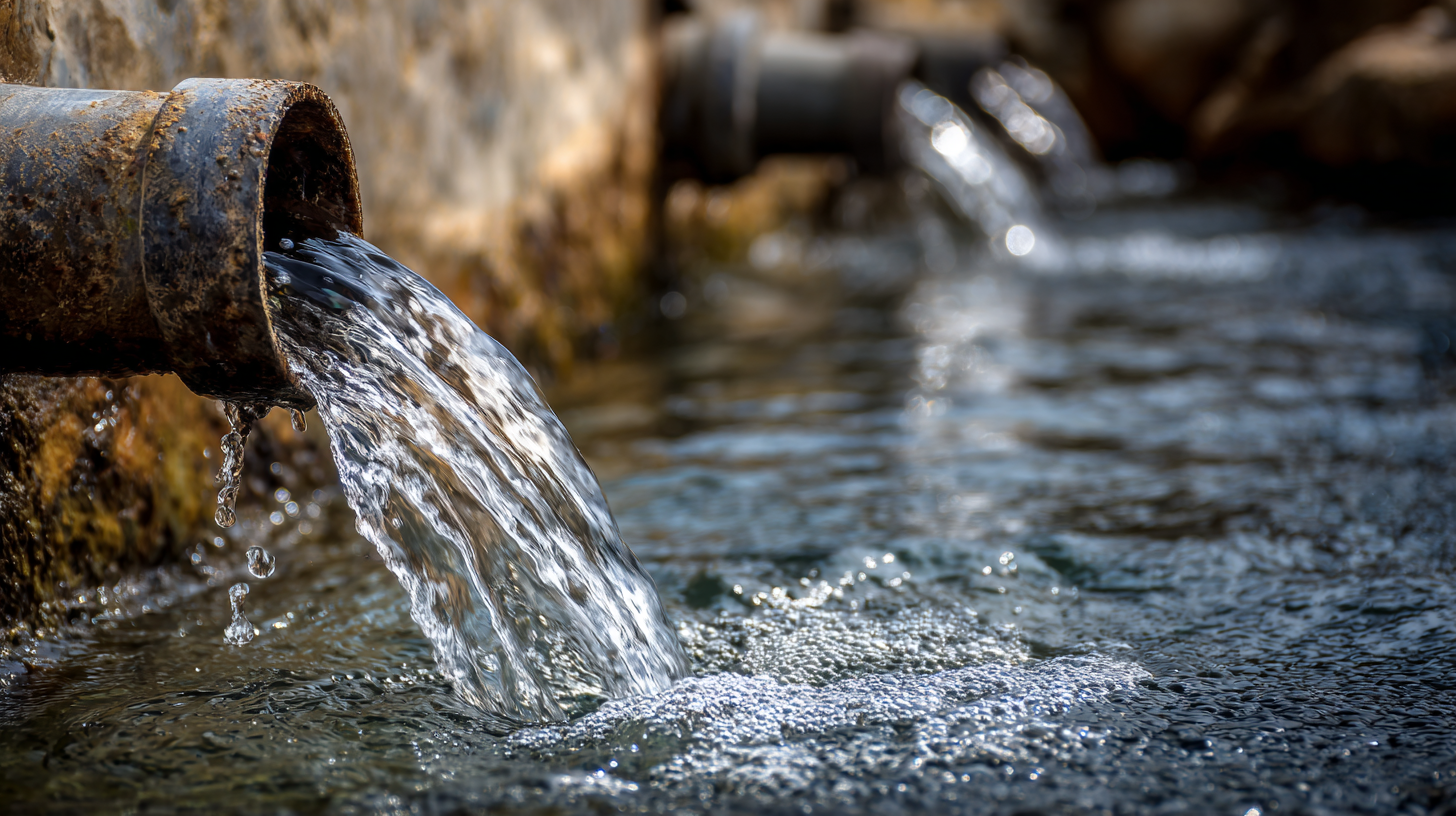
Innovative Biological Treatment Techniques for Waste Water Management
Biological treatment techniques have emerged as some of the most innovative methods for effective wastewater management. These methods utilize microorganisms to break down organic matter in wastewater, significantly reducing pollutants before the water is released back into the environment. According to a report from the International Water Association, biological processes, especially activated sludge systems, account for nearly 70% of the global wastewater treatment capacity. This prevalence highlights their importance in modern wastewater management.
One promising biological approach is the use of biofilm reactors, which enhance the growth of microorganisms on a support medium, allowing for more efficient treatment of wastewater. Research published in the Journal of Environmental Management shows that these systems can improve removal rates of nitrogen and phosphorus by up to 90%, making them ideal for nutrient-rich wastewater. Additionally, advancements in membrane bioreactor (MBR) technology have further improved the efficiency of biological treatment, enabling the production of high-quality effluent suitable for reuse, thus promoting sustainable water management practices. As the demand for effective wastewater treatment continues to grow, these innovative biological techniques will play a crucial role in addressing global water challenges.
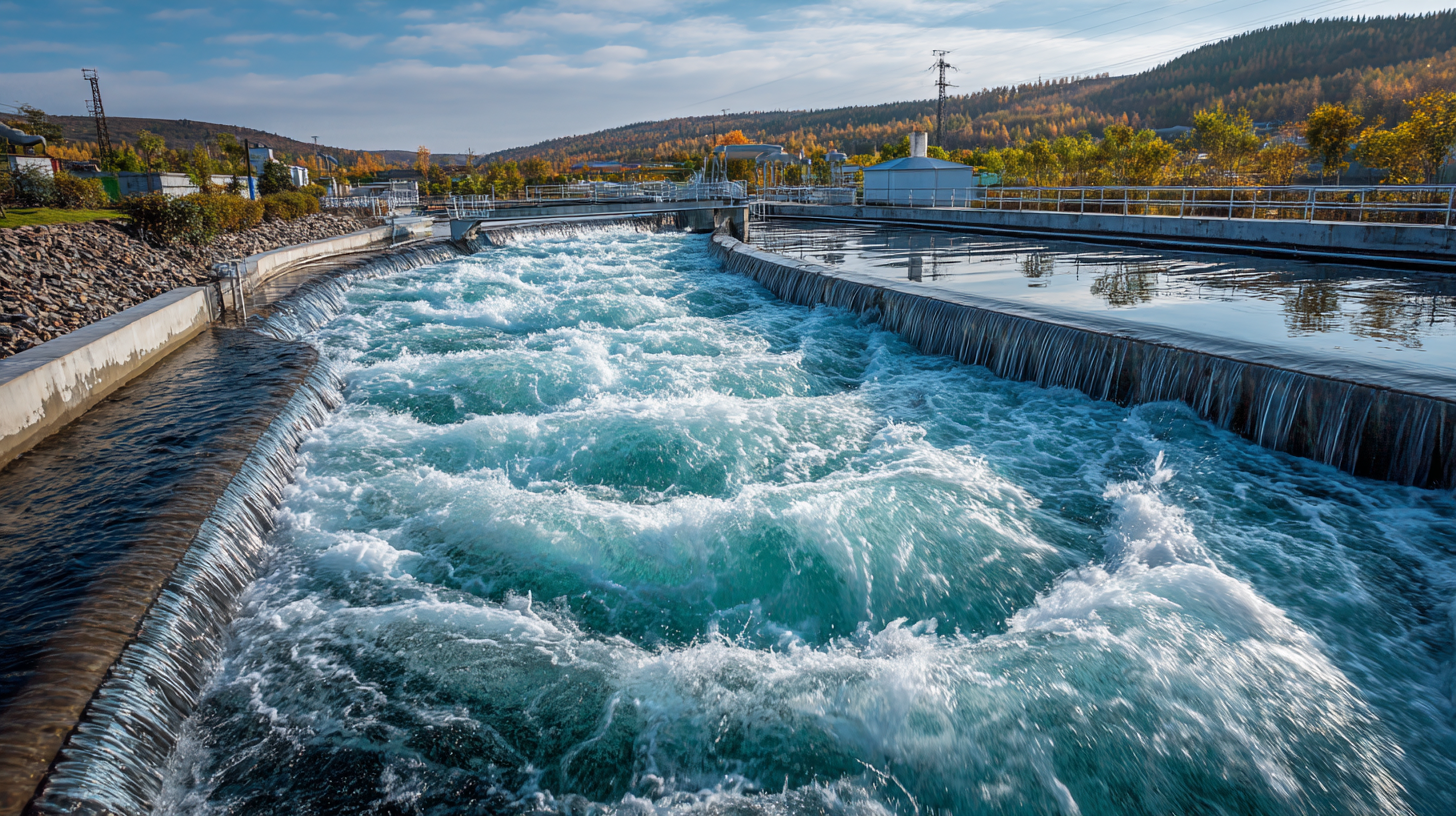
Advanced Membrane Filtration Solutions for Efficient Waste Water Removal
Advanced membrane filtration solutions have emerged as a pivotal technology for the efficient removal of wastewater. These innovative systems leverage semi-permeable membranes to separate contaminants from water, resulting in cleaner, reusable water. One of the primary advantages of this technology is its ability to target specific pollutants, ensuring that even microscopic particles are filtered out, which traditional methods often struggle to achieve. This precision not only enhances water quality but also reduces the volume of sludge produced, making the overall treatment process more sustainable.
Moreover, advancements in membrane materials have significantly improved the performance and longevity of these filtration systems. Modern membranes are designed to withstand high pressures and temperatures, expanding their applicability across various industries—from municipal wastewater treatment to industrial process water recycling. Additionally, the integration of smart monitoring systems allows for real-time assessment of membrane performance, enabling timely maintenance and reducing operational costs. As regulations for wastewater discharge tighten globally, investing in advanced membrane filtration has become essential for organizations aiming to meet compliance while promoting environmental sustainability.
Emerging Technologies in Electrocoagulation for Waste Water Treatment
Electrocoagulation (EC) is rapidly emerging as a cutting-edge technology in the field of wastewater treatment, known for its efficiency and versatility. This method leverages electrical currents to destabilize contaminants in water, leading to their aggregation and subsequent removal. The process is particularly effective for treating industrial effluents that contain heavy metals, oils, and other complex pollutants. With its ability to operate without the addition of harmful chemicals, electrocoagulation presents an eco-friendly alternative to traditional waste removal techniques.
When implementing electrocoagulation in wastewater management, here are some tips to maximize its efficacy: First, ensure that the electrode materials are corrosion-resistant for enhanced durability and performance. Second, maintain optimal operational parameters, such as current density and processing time, to achieve superior coagulation results. Lastly, consider integrating electrocoagulation with other treatment methods to create a more comprehensive approach, enhancing overall water quality and compliance with environmental standards.
Innovative advancements in electrocoagulation, such as the use of diode connections and multi-frequency systems, are also paving the way for improved outcomes. By exploring these technologies, industries stand to benefit from reduced operational costs and increased treatment effectiveness, ensuring a sustainable future for wastewater management.
10 Innovative Methods for Effective Waste Water Removal You Need to Know
| Method |
Description |
Efficiency (%) |
Cost ($/m³) |
Environmental Impact |
| Electrocoagulation |
Uses electric currents to remove contaminants. |
85 |
2.50 |
Low |
| Membrane Filtration |
Separates particles based on size using membranes. |
90 |
3.00 |
Moderate |
| Advanced Oxidation Process |
Uses powerful oxidizing agents to degrade pollutants. |
95 |
4.50 |
Moderate |
| Biological Treatment |
Uses microorganisms to break down organic matter. |
75 |
1.50 |
Low |
| Constructed Wetlands |
Natural filtration through soil and plants. |
80 |
1.20 |
Very Low |
| Chemical Precipitation |
Involves adding chemicals to form solid particulates. |
85 |
2.00 |
Moderate |
| Thermal Treatment |
Uses heat to remove water through evaporation. |
70 |
5.00 |
High |
| Ion Exchange |
Exchanges ions to purify water, used mainly for hardness. |
90 |
3.50 |
Low |
| Ozonation |
Uses ozone gas for disinfection and oxidation. |
98 |
4.00 |
Moderate |
| Filtration |
Physical removal of contaminants through filters. |
85 |
1.80 |
Low |
Sustainable Phytoremediation Practices for Effective Waste Water Detoxification
Sustainable phytoremediation practices have emerged as a leading method for effective wastewater detoxification. This approach utilizes plants to absorb, degrade, or contain pollutants in contaminated water, making it an eco-friendly alternative to traditional treatment methods. According to a report by the United Nations Environment Programme (UNEP), phytoremediation can reduce heavy metal concentrations by up to 90% in certain contexts, indicating its significant potential for purifying wastewater.
Furthermore, the application of specific plant species, such as water hyacinth and willows, enhances the ability to remove organic contaminants and nutrients from wastewater. Research published in the journal Environmental Science & Technology highlights that utilizing constructed wetlands—an engineered system incorporating these plants—can improve water quality by providing a natural filtration process that effectively reduces biological oxygen demand (BOD) by over 60%. This not only helps in detoxifying wastewater but also promotes biodiversity, creating habitats for various organisms. With over 2 billion people lacking access to safe drinking water, these sustainable practices offer an innovative solution to address global water pollution challenges.
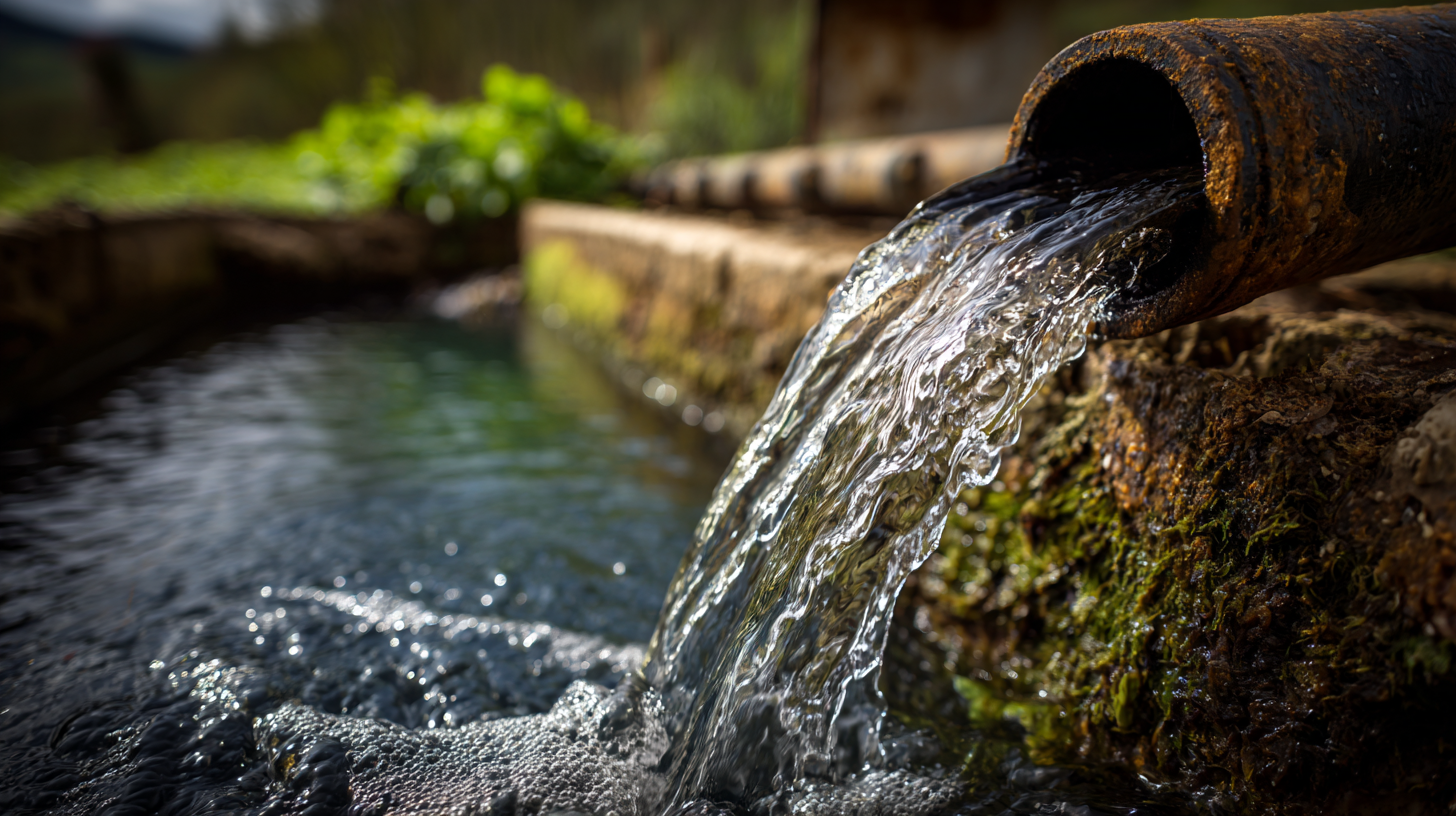
Utilizing Smart Sensors for Real-Time Waste Water Quality Monitoring
In the realm of wastewater management, the incorporation of smart sensors for real-time monitoring has emerged as a game-changer. These advanced devices can detect changes in water quality instantly, providing valuable data that helps optimize treatment processes. By utilizing parameters such as pH, turbidity, and dissolved oxygen levels, smart sensors ensure that water treatment systems operate efficiently and effectively, reducing the risk of environmental contamination.
Tips: Regular calibration of smart sensors is crucial for maintaining accuracy. It's essential to establish a routine maintenance schedule to ensure that sensors provide reliable readings. Additionally, integrating data analytics can help forecast potential issues in wastewater treatment, allowing for proactive measures to be taken.
Smart sensors also facilitate immediate responses to contamination events. They can send alerts to operators as soon as a parameter exceeds predefined thresholds, enabling rapid intervention. This not only safeguards water quality but also enhances public health and environmental protection efforts.
Tips: When selecting smart sensors, consider those that offer easy integration with existing systems and have robust data visualization capabilities. This will facilitate smoother decision-making processes and improve overall operational efficiencies.