2026 How to Choose the Best Industrial Spray Paint?
Choosing the right industrial spray paint can be a daunting task. Numerous factors influence your decision. The right choice can enhance durability and appearance. Industrial spray paint comes in various formulations and finishes. Each serves specific purposes and environments.
When selecting industrial spray paint, consider your needs. Will it be for metal, wood, or plastic? The surface type impacts the paint's adhesion and longevity. Research the specific paint attributes, like gloss level and drying time. Some products are designed for high-temperature exposed environments. Others may offer rust protection or UV resistance.
It's essential to read reviews and product specifications. Knowing the experiences of others can guide your decision. Quality industrial spray paint leads to better outcomes. Still, it’s important to test your choices on small areas. Learning from these trials can prevent costly mistakes. Ultimately, ensuring your selection aligns with your project's requirements is crucial.
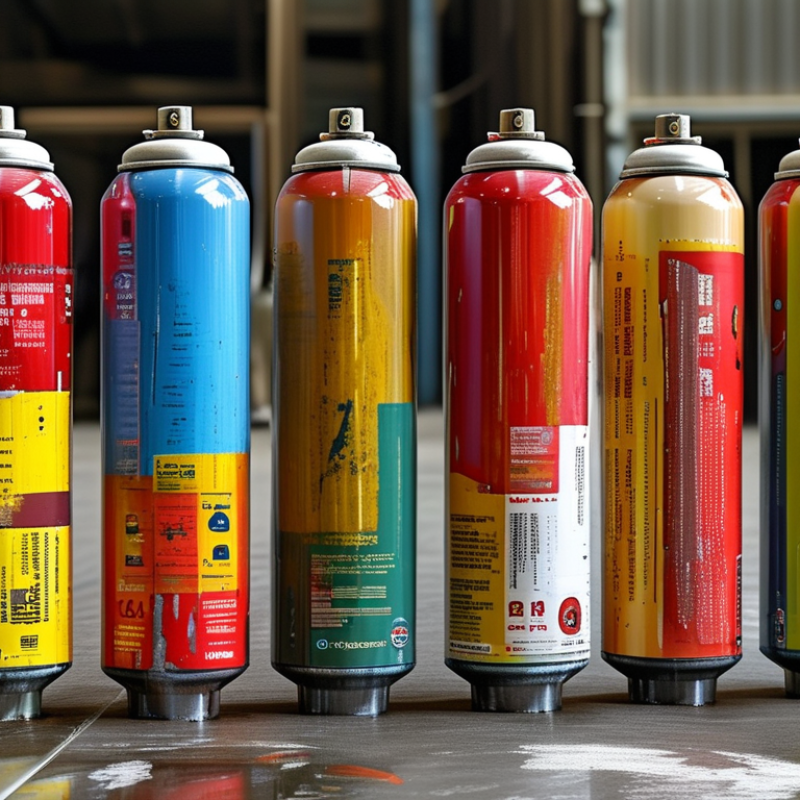
Understanding the Different Types of Industrial Spray Paints Available
When considering industrial spray paints, it's essential to understand the different types available. The market offers a variety of options, each tailored to specific applications. For instance, solvent-based paints are known for their durability and resistance to harsh chemicals. According to a recent market research report, this category holds approximately 40% of the market share due to its superior performance in industrial settings.
Water-based paints are gaining traction for their eco-friendliness. These paints contain fewer volatile organic compounds (VOCs), aligning with increasing regulations on air quality. Reports indicate that water-based paints are expected to grow by 30% in the next five years, as companies prioritize sustainability. However, they may lack the durability found in solvent-based options. This trade-off can lead to maintenance challenges in harsh environments.
A third category, high-performance coatings, is designed for extreme conditions. These paints provide exceptional resistance to corrosion and abrasion. They often contain advanced polymers, making them suitable for demanding applications. However, they can require specialized application techniques, creating a potential barrier for inexperienced users. Understanding these nuanced differences is critical for selecting the right spray paint for industrial use.
2026 How to Choose the Best Industrial Spray Paint? - Understanding the Different Types of Industrial Spray Paints Available
| Type of Spray Paint | Best For | Finish Type | Drying Time | Durability |
| Acrylic Spray Paint | Metal, Wood, Plastic | Glossy, Matte | 30 minutes | Moderate |
| Enamel Spray Paint | Metal, Appliances | Glossy, Semi-Gloss | 1-2 hours | High |
| Lacquer Spray Paint | Automotive, Furniture | High Gloss | 15-30 minutes | Very High |
| Rust-Preventive Spray Paint | Outdoor Metal Surfaces | Matte, Satin | 1 hour | Very High |
| Specialty Spray Paint | Glass, Chalkboard | Varies | Varies | Varies |
Key Factors to Consider When Selecting Industrial Spray Paint
When selecting industrial spray paint, it's crucial to consider several key factors. The type of surface you'll be painting plays a significant role. Different materials, like metal or wood, may require specific formulations to ensure durability and adhesion. Inspector quality matters as well. Lower-quality paints can lead to peeling and color fading.
The environmental conditions are another vital aspect. Humidity and temperature can drastically affect paint performance. Ensure the paint is suitable for indoor or outdoor use, as exposure to the elements requires additional resistance features. Additionally, ventilation is important. Paints with strong fumes can be hazardous in enclosed spaces.
Don't overlook the drying time. If your project timeline is tight, opt for a fast-drying formulation. Understanding these factors can minimize your chances of a less-than-ideal finish. It can be frustrating to see imperfections after application. Take time to research and consult with professionals when in doubt. Balancing all these factors is essential for achieving a successful painting project.
Evaluating Paint Durability: The Importance of UV Resistance and Adhesion
Choosing the right industrial spray paint involves a careful evaluation of several factors. One of the most critical aspects is the paint's durability, especially concerning UV resistance and adhesion. UV resistance is vital for outdoor applications. Paints without adequate UV protection can fade, peel, or crack when exposed to sunlight. Over time, this can lead to costly repairs or complete recoating. Observing how different paints react to UV exposure in real-world settings can provide valuable insights.
Adhesion is equally significant. A paint that doesn’t stick well can result in premature failure. This reflects poorly on your work and can damage the underlying surfaces. Conducting tests on various surfaces before applying is often necessary. Observing how well a paint adheres over time and under different environmental conditions can reveal much about its overall performance.
Finding the right balance between UV resistance and adhesion can be a challenge. Each project may present unique requirements. These details can make or break the longevity of your paint job. Understanding these factors will enhance your selection process and lead to better long-term outcomes. Reflect on past experiences with different products. Learn from successes and failures to make informed choices moving forward.
Analyzing Application Methods: Conventional vs. Airless Spray Techniques
When it comes to industrial spray paint application, two primary techniques stand out: conventional and airless spray methods. Conventional systems rely on compressed air to atomize paint. This technique often offers fine finishes and is ideal for detailed work. However, it can lead to overspray and waste, as the paint can drift in unintended directions. Understanding this drawback is vital for painters aiming for efficiency.
Airless spray techniques, on the other hand, apply paint at high pressure without the need for air. This results in a thicker application and greater material transfer efficiency. Airless systems excel in covering large surfaces quickly. Yet, they may sometimes produce a heavier finish that requires more sanding and prep work to achieve a smooth surface. A critical aspect of choosing between these methods is recognizing the balance between speed and finish quality.
In practical applications, the choice may also depend on the specific environment or project goals. For example, in tight spaces or when working around intricate metalwork, conventional methods might be preferable. Yet, for expansive areas such as warehouses or outdoor structures, airless techniques can save both time and resources. Each method has its advantages and challenges, and painters must reflect on which best suits their unique projects.
Assessing Environmental Regulations and Safety Standards for Paint Selection
When selecting industrial spray paint, environmental regulations and safety standards play a crucial role. In 2022, a study indicated that over 70% of industries faced compliance challenges with volatile organic compounds (VOCs). These compounds can harm air quality and human health. Understanding local regulations is essential for selecting suitable spray paints that minimize VOC emissions. For instance, many jurisdictions now limit VOC content to 100 grams per liter for certain applications.
Safety standards are just as critical. The Occupational Safety and Health Administration (OSHA) has specific guidelines for handling chemicals, including spray paints. Protective gear is a must. Missteps in this area can lead to serious health issues for workers. Some reports suggest that nearly 30% of industrial accidents in paint application arise from inadequate safety measures. Knowledge of the materials is vital. Choosing low-toxicity options aligns with both safety and regulatory compliance.
Despite these guidelines, some industries still overlook them. They face potential fines and health risks. The challenge lies in finding a balance between performance and compliance. Often, companies prioritize coating durability over adherence to safety standards. This can result in regret down the line when facing compliance audits. Each choice made should reflect a commitment to health, safety, and environmental responsibility.