Essential Tips for Understanding the Wastewater Treatment Process?
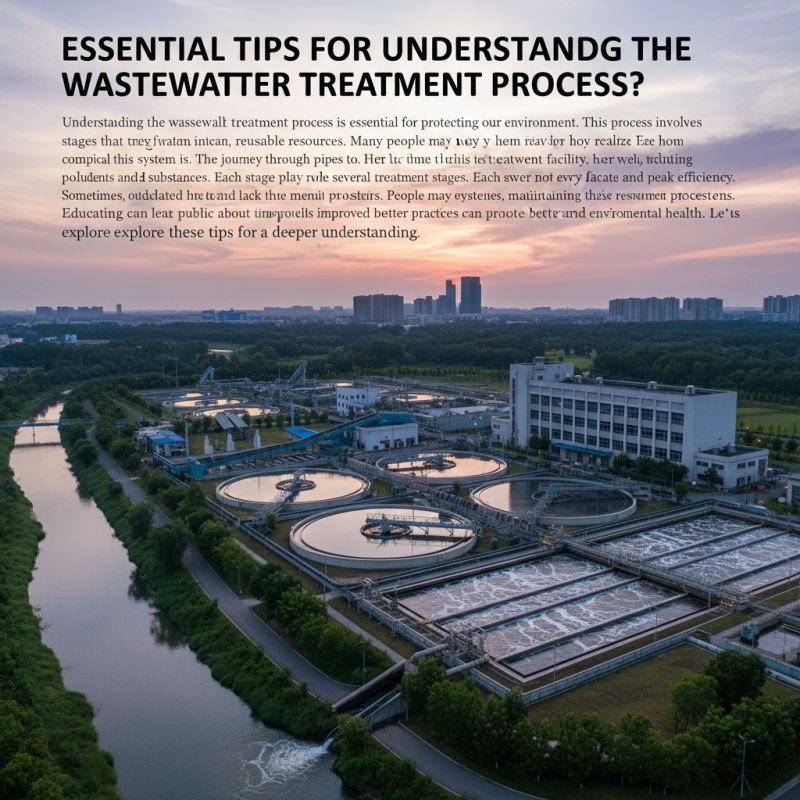
Understanding the wastewater treatment process is essential for protecting our environment. This process involves various stages that transform dirty water into clean, reusable resources. Many people may not realize how complex and critical this system is.
The journey begins with the collection of wastewater from homes and businesses. It travels through pipes to a treatment facility. Here, the wastewater undergoes several treatment stages. Each stage plays a vital role in reducing pollutants and harmful substances. However, not every facility operates at peak efficiency.
Sometimes, outdated equipment and lack of resources hinder optimal processing. People may overlook the importance of maintaining these systems. Educating the public about the wastewater treatment process can promote better practices. Awareness can lead to improved infrastructure and environmental health. Let's explore these tips for a deeper understanding.
Overview of Wastewater Treatment Process
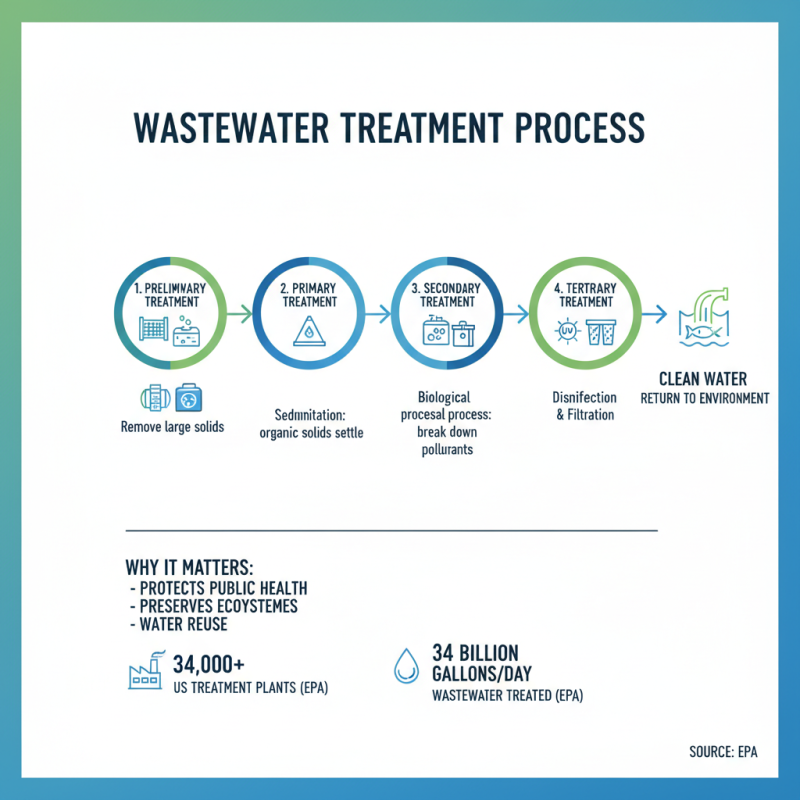
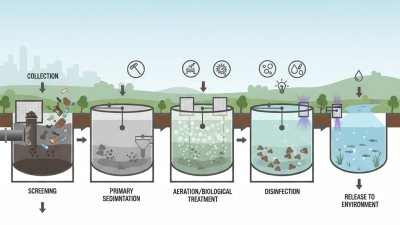
The wastewater treatment process is crucial for environmental health. It typically involves several stages: preliminary treatment, primary treatment, secondary treatment, and tertiary treatment. According to the Environmental Protection Agency (EPA), over 34,000 wastewater treatment plants operate across the United States. These facilities handle approximately 34 billion gallons of wastewater daily, highlighting the scale of this complex process.
During preliminary treatment, large debris is removed. This step is often messy and can underestimate the volume of waste. The primary treatment focuses on sedimentation, where solids settle to the bottom. Surprisingly, only about 50-60% of suspended solids get removed at this stage. Secondary treatment relies on biological processes, where microorganisms break down organic materials. However, this step can face challenges, such as inadequate oxygen supply, which hampers effectiveness.
Tertiary treatment further polishes the effluent. It can involve filtration, nutrient removal, and disinfection. Yet, even in this advanced stage, some contaminants remain. A report from the Water Environment Federation notes that up to 30% of treated wastewater may still have detectable levels of certain pollutants. This highlights the ongoing need for innovation and improvement in the treatment process to protect our water resources effectively.
Key Stages in Wastewater Treatment: Preliminary to Tertiary
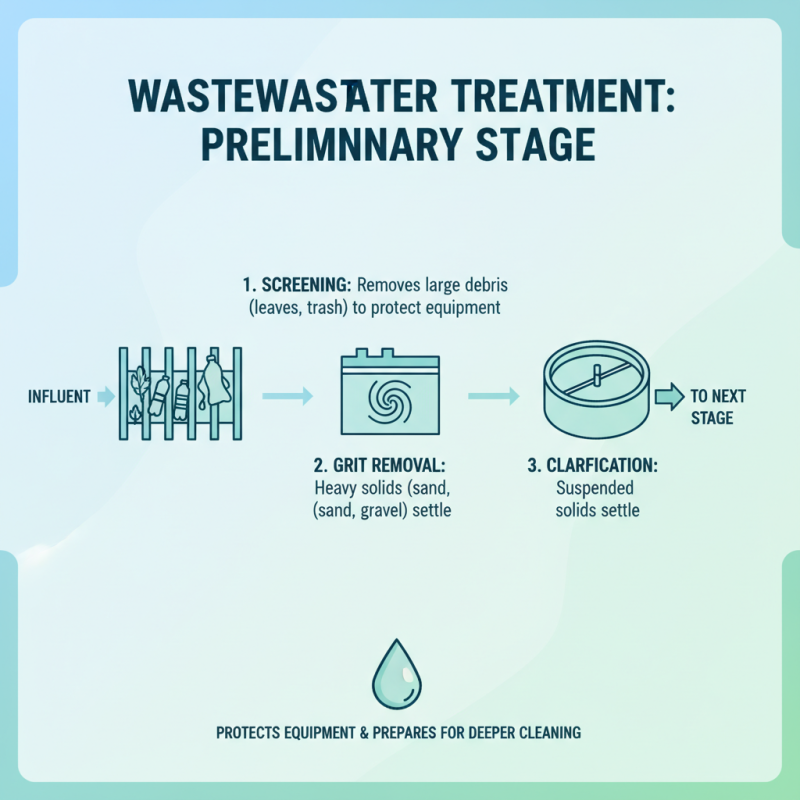
The wastewater treatment process consists of several critical stages. Each stage plays a unique role in ensuring the water returns safely to the environment. The treatment journey begins with the preliminary stage, where large debris, like leaves and trash, is removed. This initial filtration is crucial. It prevents equipment damage and prepares the wastewater for deeper processing.
Following the preliminary phase is the primary treatment stage. Here, sedimentation occurs. Heavy solids settle at the bottom of a tank, forming sludge. Meanwhile, lighter materials float to the surface. This process, though effective, often leaves behind dissolved organic matter. Thus, it requires further treatment.
The tertiary stage is where advanced treatment techniques come into play. Chemical and biological processes break down remaining pollutants. This stage is essential for producing high-quality effluent. Yet, it can be costly and complex. Many plants struggle with maintaining efficiency. Each of these stages is vital yet presents its own challenges. Understanding these can help in acknowledging the intricacies of wastewater management.
Importance of Wastewater Treatment in Environmental Protection
Wastewater treatment plays a crucial role in environmental protection. According to the World Health Organization, about 80% of the world's wastewater is discharged untreated. This not only contaminates rivers and oceans but also poses significant health risks. Clean water is essential for both humans and ecosystems. Treating wastewater can reduce pollution and conserve water resources.
In the U.S., the Environmental Protection Agency reports that treatment plants mitigate millions of tons of pollutants annually. However, not all plants operate at full efficiency. Some facilities struggle with outdated technology or insufficient funding. This can lead to overflows during heavy rains, releasing untreated sewage into surrounding areas. Communities must invest in upgrades to improve their systems.
Wastewater treatment processes vary. The primary stage focuses on physical removal of solids. The secondary stage involves biological methods to break down organic matter. These processes are vital. Yet, many plants still face challenges such as rising population demands and climate change impacts. As urban areas grow, the strain on infrastructure increases, leaving many questions about future sustainability.
Essential Tips for Understanding the Wastewater Treatment Process
| Step in Treatment Process |
Description |
Importance |
| Preliminary Treatment |
Removal of large solids and debris. |
Protects equipment and prepares wastewater for further treatment. |
| Primary Treatment |
Sedimentation to remove floating and settling solids. |
Reduces the burden on secondary treatment processes. |
| Secondary Treatment |
Biological processes that break down organic matter. |
Crucial for removing pathogens and nutrients from wastewater. |
| Tertiary Treatment |
Advanced filtration and disinfection techniques. |
Ensures high-quality effluent for safe discharge or reuse. |
| Sludge Treatment |
Processing and disposal of the solids collected during treatment. |
Reduces environmental impact and recycles nutrients. |
Common Technologies Used in Wastewater Treatment Plants
Understanding water wastewater treatment involves various technologies. These methods are crucial for removing contaminants. Each technology has strengths and weaknesses.
One common method is activated sludge systems. This process uses microorganisms to break down organic matter. It’s effective but can lead to sludge buildup. This buildup requires regular maintenance, which can be costly.
Another method, membrane bioreactors, combines filtration and biological treatment. They produce high-quality effluent but can have high energy demands.
Another technology is trickling filters. They use a bed of media to support microbial growth. Wastewater flows over the media, allowing microbes to degrade pollutants. Though simple in design, they may require additional treatments to meet discharge standards. Attention to these challenges is important for optimizing wastewater management.
Challenges and Innovations in Modern Wastewater Treatment Practices
The landscape of modern wastewater treatment is evolving rapidly. One significant challenge is the sheer volume of wastewater produced. Cities are expanding. Population growth increases the burden on treatment plants. Traditional methods often struggle to keep up. Additionally, the presence of pharmaceuticals and microplastics complicates treatment processes. These contaminants require advanced filtration and biological treatments, making the process more complex and costly.
Amid these challenges, innovation thrives. New technologies, such as membrane bioreactors, are gaining traction. These systems combine biological treatment with membrane filtration. They can effectively remove contaminants, making the treated water safer. Another promising solution is using artificial intelligence for process optimization. AI can monitor conditions in real-time, adjusting variables for efficiency.
Tips for understanding this process include looking at the different treatment stages. Primary treatment focuses on settling solids, while secondary treatment enhances biological breakdown. Familiarizing yourself with these concepts enhances your comprehension. Understanding the significance of emerging technologies is also vital. The future of wastewater treatment hinges on adapting to challenges and embracing innovation. Adjustments are necessary, as what works today may not suit tomorrow's needs.