Top Methods for Effective Waste Water Removal Solutions?
Waste water removal is a critical issue facing our communities. As industries grow and urban areas expand, the demand for effective waste water management solutions increases. Experts like Dr. Emily Turner, a prominent figure in environmental engineering, emphasize its importance by stating, "Efficient waste water removal is fundamental for a sustainable future."
Cities often struggle with outdated systems. Many face the challenge of contamination and overflow. Inefficient methods can lead to severe environmental repercussions. For instance, untreated waste can pollute local water bodies, affecting ecosystems and human health. Addressing these concerns requires innovative technology and proactive strategies.
The waste water removal industry is evolving, yet there is much room for improvement. Current solutions vary in effectiveness, and not all are environmentally friendly. Many systems rely on outdated practices, highlighting a need for fresh perspectives. Identifying top methods for waste water removal can pave the way for better outcomes in the future.

Overview of Wastewater Removal Solutions
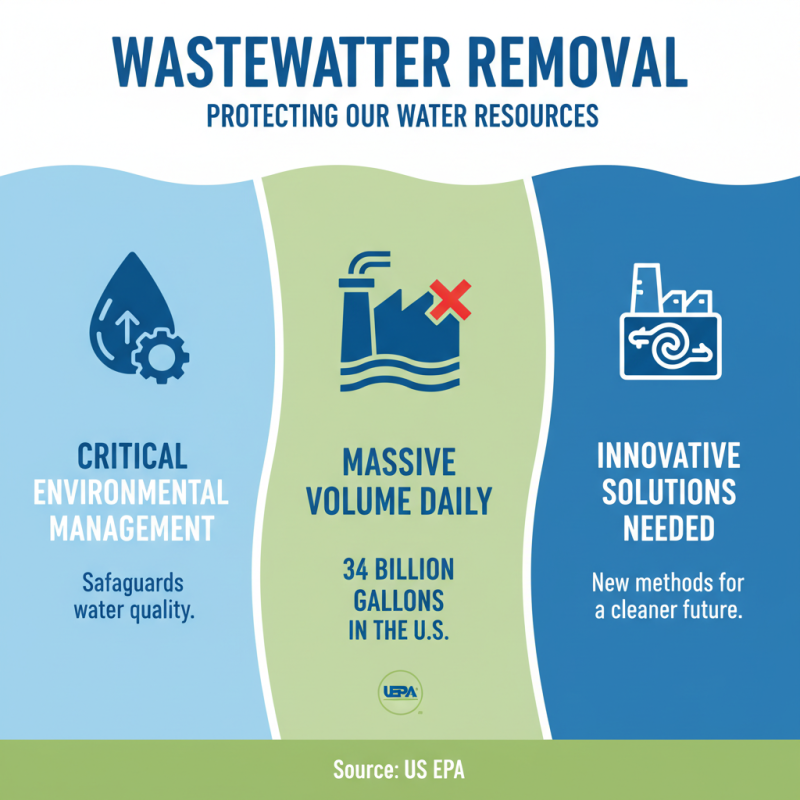
Wastewater removal is a critical aspect of environmental management. Effective solutions are necessary to protect water resources. According to the U.S. Environmental Protection Agency (EPA), about 34 billion gallons of wastewater are produced daily in the United States alone. This staggering volume highlights the importance of innovative removal methods.
One effective approach is sedimentation, which separates solids from liquids. This method can eliminate particles larger than 10 microns. However, it's not foolproof. Smaller pollutants may still remain in the water. Additionally, biological treatment is another common strategy. Microorganisms break down organic matter, reducing harmful substances. While this technique is efficient, it requires proper monitoring to be effective. Mismanagement can lead to more pollution, rather than less.
Advanced technologies, such as membrane filtration, are gaining attention. They can achieve a high level of purification. However, these solutions often come with high operational costs. The investment may not be feasible for smaller municipalities. As cities grow, the challenge of managing wastewater effectively intensifies. Simple methods may no longer suffice. Continuous innovation and reassessment of current practices are crucial for sustainable wastewater removal.
Types of Wastewater: Understanding Different Sources and Composition
Wastewater comes from various sources, making it vital to understand its composition. Domestic wastewater results from daily activities like cooking and bathing. Industrial wastewater includes contaminants from manufacturing processes. Stormwater, on the other hand, combines rainwater and surface runoff, often carrying debris and chemicals.
Tips: Regularly inspect your plumbing to prevent leaks. Even minor issues can lead to significant problems. Consider composting to reduce domestic wastewater. This simple method helps minimize the load on sewage systems.
Agricultural runoff is another critical source. It often contains fertilizers and pesticides, leading to pollution. Treating this type of wastewater requires targeted strategies that address specific contaminants. Proper education about these sources can lead to better wastewater management.
Tips: Educate your community on reducing chemical use in gardens. Promote natural alternatives for pest control. Simple lifestyle changes can significantly impact overall wastewater quality. Overall, understanding these different wastewater types is essential for effective removal solutions.
Top Methods for Effective Waste Water Removal Solutions - Types of Wastewater: Understanding Different Sources and Composition
| Wastewater Type |
Source |
Composition |
Common Solutions |
Treatment Methods |
| Domestic Wastewater |
Households |
Organic matter, nutrients, pathogens |
Septic tanks, Municipal treatment |
Activated sludge, Biological treatment |
| Industrial Wastewater |
Manufacturing Processes |
Heavy metals, chemicals, oil |
On-site treatment, Effluent recycling |
Chemical treatment, Membrane filtration |
| Agricultural Wastewater |
Farms |
Fertilizers, pesticides, organic waste |
Buffer strips, Constructed wetlands |
Natural filtration, Bioremediation |
| Stormwater |
Urban runoff |
Debris, oils, nutrients |
Retention basins, Green infrastructure |
Sedimentation, Swales |
Key Technologies for Effective Wastewater Treatment and Removal
Effective wastewater treatment relies on various key technologies. One of the most widely used methods is biological treatment. This process uses microorganisms to break down organic pollutants. Aerobic bacteria thrive in oxygen-rich environments. They help transform harmful substances into harmless byproducts. However, keeping optimal conditions for these microbes can sometimes be challenging.
Another crucial technology is membrane filtration. This process separates contaminants from water using semi-permeable membranes. It is effective at removing small particles and pathogens. Yet, membrane fouling can limit its efficiency. Regular maintenance and cleaning of membranes are vital for sustained performance.
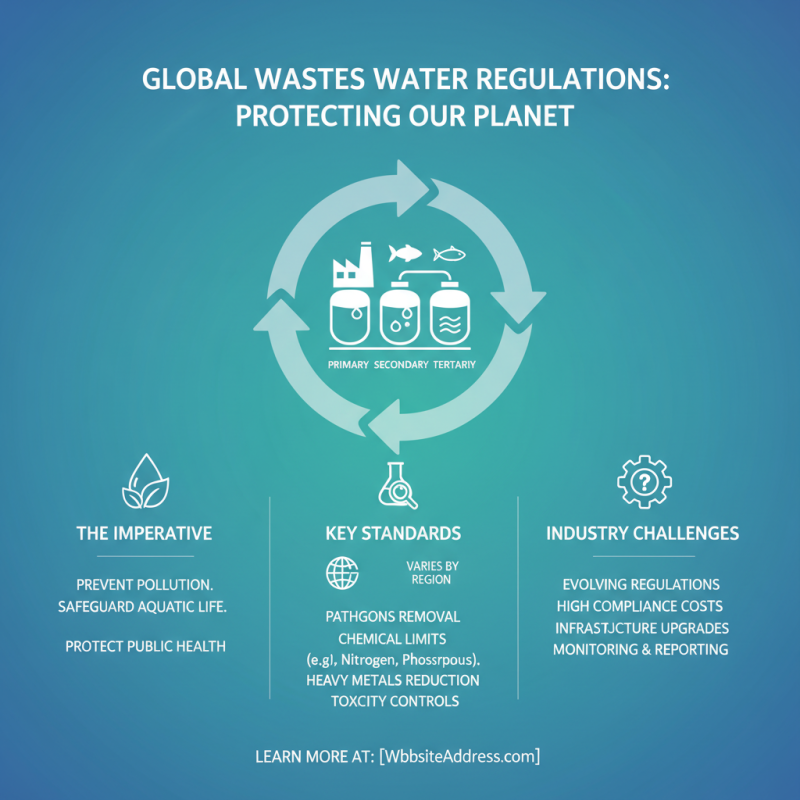
Chemical treatment is also significant. This method involves adding chemicals to wastewater to neutralize harmful substances. It can be effective, but the selection of chemicals requires careful consideration to prevent secondary pollution. Effective treatment solutions often require a combination of these technologies. Achieving balance is essential for success.
Best Practices for Implementing Wastewater Management Systems
Implementing effective wastewater management systems is crucial for environmental protection. Understanding local regulations is key. Many facilities struggle with compliance. They often overlook essential practices. Regular training for employees can make a difference. Staff should know the importance of proper waste handling.
Incorporating advanced treatment technologies can enhance wastewater removal. However, this requires significant investment. Not all organizations can afford the latest systems. Analyzing existing processes may uncover areas for improvement. Simple changes, like reducing waste at the source, can yield substantial results. Monitoring water quality is essential for understanding treatment efficiency.
Collaboration with local communities is vital. Engaging stakeholders fosters support for projects. Yet, it’s common for organizations to neglect this step. Reaching out for input can lead to better results. It is a reminder that effective wastewater management is not just a technical issue, but a community effort as well.