How to Effectively Manage a Sewer Treatment Plant for Optimal Performance?
Managing a sewer treatment plant is a complex task. It requires specialized knowledge and comprehensive planning. To optimize performance, staff must be adequately trained and well-informed about the latest technologies.
Effective management begins with understanding the plant's equipment and processes. Regular maintenance is crucial to prevent breakdowns. Operators must monitor key performance indicators closely. This ensures that the plant meets regulatory standards and operates efficiently.
Challenges often arise, such as unexpected equipment failures or fluctuating inflow rates. Addressing these issues promptly is vital for maintaining a reliable treatment process. Continuous training and adjustments in techniques can lead to better overall outcomes. It is important to reflect regularly on management strategies, as there is always room for improvement in a sewer treatment plant's operations.
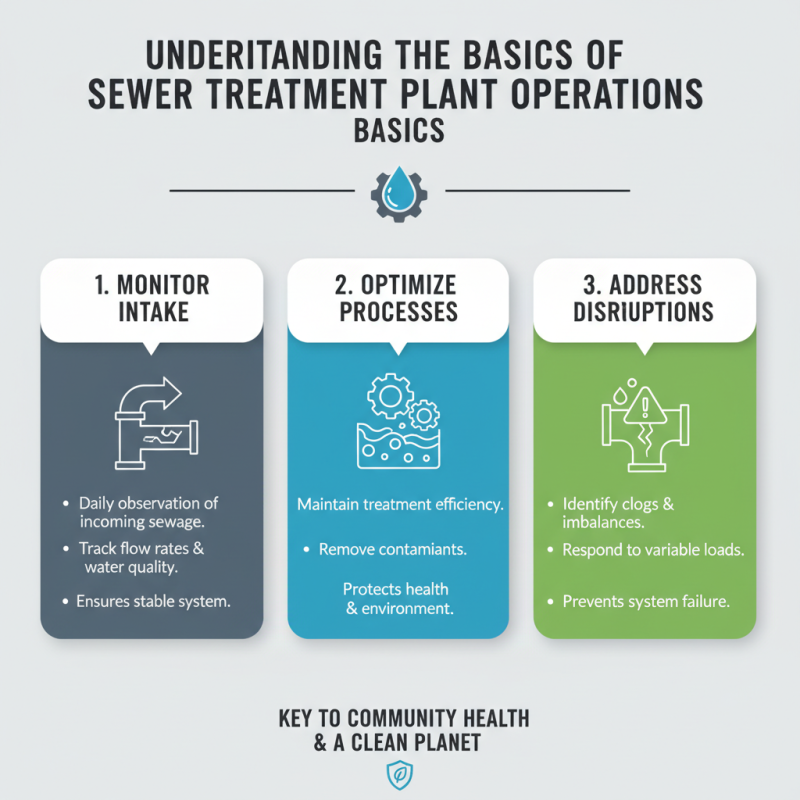
Understanding the Basics of Sewer Treatment Plant Operations
Effective management of a sewer treatment plant begins with understanding daily operations. A well-functioning plant is vital for community health and environmental protection. Operators must monitor incoming sewage flows regularly. This ensures the treatment processes run efficiently. Contaminants and varying water qualities can disrupt the system.
Each treatment stage—screening, primary treatment, secondary treatment, and disinfection—requires close attention. Maintenance routines must be established for equipment. Valves, pumps, and aeration systems often need troubleshooting. Operators should document any issues and their resolutions. This builds a resource for future challenges.
Training staff is crucial. Regular workshops improve skills and promote safety. A culture of continuous learning can enhance plant performance. Mistakes can arise, leading to operational setbacks. Reflecting on these experiences is valuable for growth and prevention of future issues in operations.
Key Components of a Sewer Treatment Plant and Their Functions
Sewer treatment plants play a crucial role in maintaining public health and environmental quality. Understanding the key components of these facilities is vital for optimal performance. Treatment plants typically consist of several key units: screening, primary treatment, secondary treatment, and sludge management. Each section has distinct functions that contribute to the overall efficiency of the plant.
Screening removes large debris from incoming wastewater. This step is critical to prevent damage to pumps and other equipment. In 2021, the EPA reported that effective screening can reduce equipment failures by 30%. Primary treatment involves settling tanks that separate solids from liquids. This process allows for the removal of a significant percentage of pollutants before further treatment.
Secondary treatment, often through biological processes, breaks down organic matter. Using aeration basins enhances bacterial growth, leading to better purification results.
Tips: Regularly monitor the performance of each treatment unit. Small adjustments can significantly enhance efficiency. Operators should maintain training to stay updated with advancements in treatment technologies. Investing in staff expertise can lead to a 20% reduction in operational costs over time.
Sludge management is another critical area. Proper handling and disposal of sludge ensure compliance with environmental regulations. A report by the Water Environment Federation indicated that up to 50% of treatment plant operational costs arise from sludge management. Reflection on current practices may highlight areas needing improvement, such as outdated equipment or inefficiencies in processing. Addressing these issues can optimize performance and reduce costs in the long run.
Best Practices for Daily Management and Maintenance Procedures
Managing a sewer treatment plant requires diligent attention to daily maintenance procedures. Regular checks on equipment and systems help prevent larger issues. Schedule daily inspections to ensure pumps and filters are functioning correctly. Document findings for future reference. This process builds a reliable history of plant performance.
Tips: Create a checklist for daily tasks. This can include monitoring water levels and verifying chemical balances. Consistency is key. Small oversights can lead to significant operational disruptions.
Training staff is equally essential. Employees should understand systems thoroughly. Conduct regular workshops to keep skills updated. Discuss common issues and troubleshooting techniques. This not only improves performance but enhances team collaboration.
Tips: Encourage open dialogue about challenges faced. A supportive environment fosters innovative solutions. Analyze failures without assigning blame. This can lead to constructive improvements in daily operations. Continuous learning should be part of the culture.
Monitoring and Measuring Performance for Continual Improvement
Monitoring and measuring performance in a sewer treatment plant is crucial for its optimal functioning. Regular assessments help identify inefficiencies in the treatment process. This includes evaluating the effectiveness of biological treatment methods and chemical dosing. Data collection can highlight areas needing attention, such as sedimentation rates or nutrient removal efficiency.
Implementing sensors and automated monitoring systems streamlines the data collection process. Accurate real-time data assists operators in making quick decisions. However, reliance on technology requires a trained workforce. Staff may need ongoing education to interpret complex data effectively. Mistakes in data analysis can lead to poor decisions and increased operational costs.
Periodic audits should complement automated systems. Manual checks can reveal discrepancies that machines might miss. Establishing a culture of continuous improvement can foster a proactive approach. Teams must remain open to feedback and willing to adapt practices. Recognizing areas for improvement is the first step. Performance metrics should not only be targets but also tools for learning.
Implementing Upgrades and Innovations for Enhanced Efficiency
Upgrading sewer treatment plants is essential for improving efficiency and performance. Studies indicate that modernized plants can reduce energy consumption by over 30%. Implementing advanced technologies like membrane bioreactors can enhance waste treatment efficiency. This approach also minimizes the volume of sludge, which can save on disposal costs.
However, implementing these upgrades is not without challenges. Many plants face budget constraints. In fact, 40% of wastewater facilities report funding shortages for essential innovations. Additionally, the integration of new technologies requires specialized training for staff. Without proper training, the potential benefits of upgrades may not be fully realized.
Moreover, ongoing maintenance can become complex with new systems. It is crucial to develop a robust protocol for regular checks and preventive maintenance. Some facilities might overlook this, leading to greater long-term costs. Balancing innovation with practicality remains a significant concern for many water treatment operators. The focus should always be on sustainability while ensuring that every upgrade is effectively managed.
Monthly Performance Metrics of Sewer Treatment Plant