How to Choose the Best RTV Sealant for Your Projects?
Choosing the right RTV sealant can make a significant difference in your projects. According to industry expert John Smith, "The right sealant ensures longevity and effectiveness." RTV sealants offer versatility for various applications. This quality makes them essential in many fields.
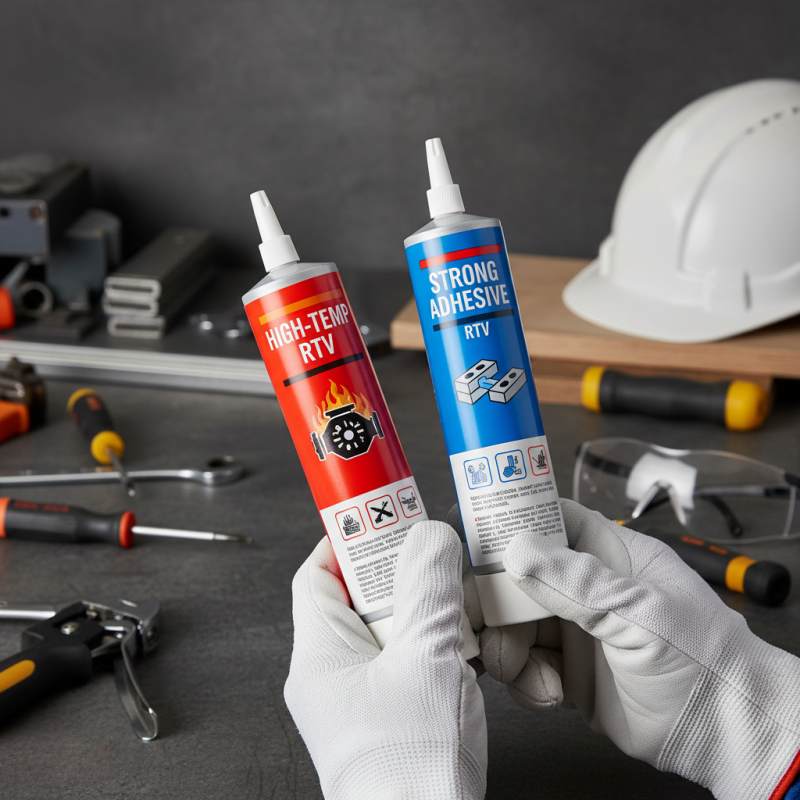
When selecting an RTV sealant, consider your specific needs. Different projects require different properties. For instance, high-temperature resistance is crucial for automotive use. On the other hand, a sealant with strong adhesive properties is better for construction. Understanding these nuances is vital.
The market is vast and can be overwhelming. Many options exist, each designed for unique challenges. Avoid the common mistake of choosing based solely on price. Opting for a lower-quality sealant may lead to issues later. The initial savings might cost more in repairs or replacements. Reflect on your choice carefully; the right sealant can save time and money in the long run.
Understanding RTV Sealants: Types and Their Applications
RTV sealants are versatile materials used in various applications. RTV stands for Room Temperature Vulcanizing, which describes how these sealants cure at room temperature. There are different types of RTV sealants, including silicone, urethane, and acrylic. Each type has unique properties suitable for specific tasks. Silicone sealants, for example, are excellent for waterproofing. They adhere well to glass and metal surfaces, making them ideal for automotive and household uses.
When choosing an RTV sealant, consider the project's requirements. Will it be exposed to high temperatures? A high-temperature silicone may be necessary. For projects requiring flexibility, a urethane sealant could be a better choice. These sealants often provide greater adhesion on rough surfaces. Acrylic sealants are easy to paint over and are user-friendly in indoor environments.
Despite their advantages, RTV sealants can have shortcomings. Some may not cure properly in humid conditions, while others might become brittle over time. It's essential to review application instructions and environmental factors. Understanding these nuances can help in making the best choice for your project. Experience and attention to detail can significantly affect the outcome.
Comparison of RTV Sealant Types Based on Their Applications
Key Properties of RTV Sealants: Temperature Resistance and Flexibility
When selecting an RTV sealant, understanding key properties like temperature resistance and flexibility is crucial. RTV stands for Room Temperature Vulcanizing, which means these sealants cure at room temperature. Many industry reports indicate that the best RTV sealants can withstand temperatures ranging from -65°F to 500°F. This wide range makes them suitable for various applications, including automotive, aerospace, and construction.
Flexibility is equally significant in RTV sealants. A flexible sealant can endure movement and stress, which often occur in mechanical joints. Research shows that sealants with high flexibility ratings can extend up to 500% of their original length without cracking. This quality allows for a durable seal under varying environmental conditions.
However, there is still much to consider. Not all projects require extreme resistance or flexibility. If a sealant is overly flexible, it may not provide the necessary hold in some static applications. Understanding the specific demands of your project, like temperature fluctuations and movement, helps you make a focused choice. Each application is unique and warrants careful evaluation of these properties to ensure long-lasting performance.
Evaluating Cure Times: How Long Should You Wait for Your RTV Sealant?
When choosing an RTV sealant, understanding cure times is essential. Not all sealants cure the same way. The typical curing process can range from a few hours to several days. Factors like temperature and humidity affect curing rates. A higher temperature can speed up the process, while high humidity may slow it down. This variability can lead to misjudgments on when to proceed with further assembly.
For smaller projects, a shorter cure time might be preferable. Many users find themselves impatient, wanting to finish quickly. However, jumping the gun can lead to issues. The bond may not be fully set, resulting in potential leaks or failures. It's crucial to evaluate the recommended cure times on the packaging. Sometimes, taking an extra day ensures a stronger, more reliable seal.
A clear plan can prevent setbacks. Marking off adequate cure times in your schedule helps. This preparation might seem tedious, but it pays off. No one wants to redo a project due to haste. Allowing proper time for the RTV sealant to cure minimizes risks and enhances the overall integrity of your work. Remember, patience is often the key to quality results.
Selecting the Right RTV Sealant for Specific Materials and Environments
When working with various materials, it is essential to choose the right RTV sealant. Different environments present distinct challenges that can affect adhesion and durability. For instance, if you are sealing metal components, a high-temperature RTV sealant is crucial. It resists heat and maintains its integrity under pressure. On the other hand, if you are working with glass, a transparent or clear sealant provides both style and functionality.
It’s vital to consider the environment as well. Projects exposed to moisture, such as plumbing or marine applications, require a sealant that can withstand water. Some RTV sealants lack this property and may fail over time. Additionally, if your work involves exposure to chemicals, look for a sealant specifically formulated for chemical resistance. Not every sealant is suitable for every situation.
Understanding the specific needs of your project can prevent costly errors. Regularly reassessing your choices can also improve outcomes. Many users find themselves regretting their selections when issues arise. By reflecting on past experiences, you improve your future choices. Opting for the right RTV sealant ensures reliability and longevity. It also minimizes maintenance, saving time and effort.
Industry Recommendations: Top RTV Sealant Brands Based on Performance Data
When selecting an RTV sealant, industry recommendations can guide your choice based on performance data. Experts suggest focusing on key attributes like temperature tolerance, adhesion, and curing time. Not all sealants perform equally under stress. Some may fail in high-heat environments, while others excel in damp conditions. It’s crucial to match the sealant's specifications with your project's demands.
Reliable brands often undergo rigorous testing. Their data shows resilience in various applications, from automotive to plumbing. However, even top-rated products may not suit every situation. User experiences reveal that sometimes a sealant can fail due to surface preparation issues. Ensuring surfaces are clean and dry often makes a significant difference in performance.
Feedback from professionals highlights that trial and error can be part of the process. Users may find that one brand works well for one project but doesn’t meet expectations in another. Exploring different options may lead to unexpected successes or failures. Keeping records of your experiences can help refine future selections, ultimately guiding you to the best RTV sealant for diverse tasks.
How to Choose the Best RTV Sealant for Your Projects? - Industry Recommendations
| Sealant Type | Temperature Range (°F) | Cure Time (Hours) | Flexibility | UV Resistance | Water Resistance | Best Application |
| General Purpose | -60 to 500 | 24 | High | Moderate | Yes | Automotive, HVAC |
| High Temp | -80 to 600 | 48 | Moderate | High | No | Engine Components |
| Gasket Maker | -65 to 500 | 24 | Very High | Moderate | Yes | Gaskets and Seals |
| Marine Sealant | -40 to 400 | 36 | High | High | Yes | Boat Repairs |
| Silicone Sealant | -75 to 400 | 24 | Very High | High | Yes | Construction, Plumbing |