
How to Choose the Right Package Wastewater Treatment Plant for Your Needs
Choosing the right package wastewater treatment plant is essential for communities and industries aiming to manage water effectively and sustainably. As noted by Dr. Emily Carter, a leading expert in environmental engineering, "Selecting the appropriate package wastewater treatment plant can significantly enhance both operational efficiency and environmental compliance." The complexity of this decision-making process often stems from the variety of available options, each designed to cater to different scales and specific requirements.
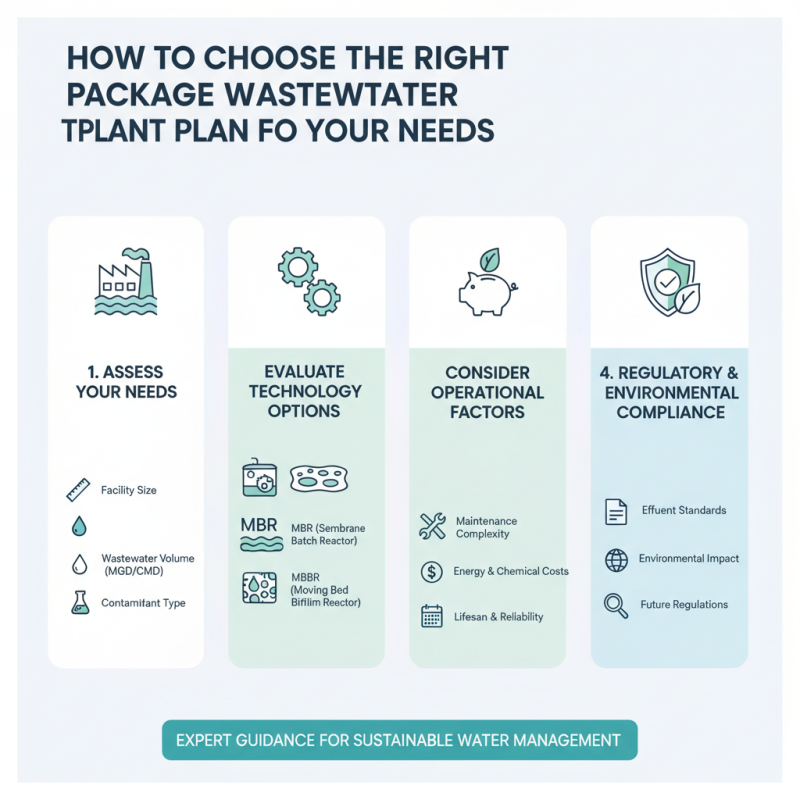
In an era where environmental concerns and regulatory standards are increasingly stringent, the importance of understanding the nuances of package wastewater treatment plants cannot be overstated. Factors such as the size of the facility, the volume of wastewater to be treated, and the specific contaminants present must be carefully considered. Additionally, the long-term maintenance and operational costs associated with these plants play a crucial role in the decision-making process, making it vital for stakeholders to approach their selection with thorough research and expert guidance. By aligning the plant’s capabilities with their specific needs, decision-makers can ensure a more sustainable and effective wastewater treatment solution.
Understanding the Basics of Package Wastewater Treatment Plants
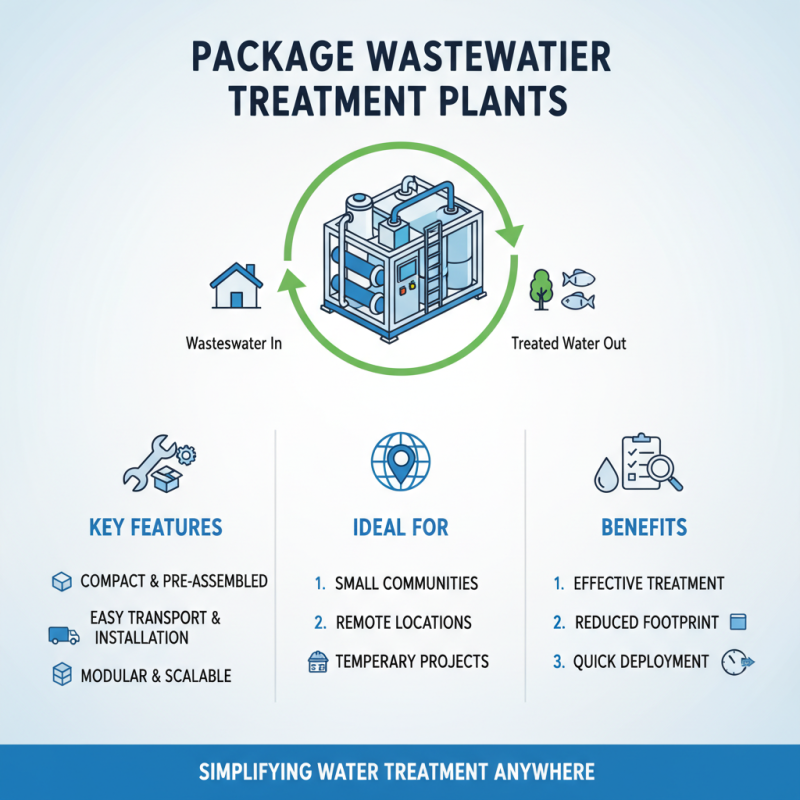
Package wastewater treatment plants are compact systems designed to treat wastewater effectively while being easy to transport and install. They typically come pre-assembled and can operate in a variety of settings, making them ideal for small communities, remote locations, or temporary projects. Understanding the basics of these systems is crucial for selecting the right plant to meet specific needs.
The treatment process in package plants usually involves several stages, including screening, sedimentation, biological treatment, and disinfection. These components work together to remove solids, nutrients, and pathogens from the wastewater. One of the primary benefits of package plants is their ability to be customized based on the inflow characteristics and required treatment levels. This flexibility allows users to choose a system that aligns with local regulations and environmental considerations, ensuring compliance while meeting capacity demands efficiently.
When selecting a package wastewater treatment plant, factors such as flow rate, available space, and the intended use of treated water should be carefully evaluated. Additionally, potential operational challenges, maintenance requirements, and energy consumption are important aspects to consider, as they directly affect the plant's overall efficiency and long-term sustainability. By understanding these fundamental elements, stakeholders can make informed decisions that suit their specific wastewater treatment needs.
Assessing Your Specific Wastewater Treatment Needs
When choosing a package wastewater treatment plant, a thorough assessment of your specific wastewater treatment needs is crucial. Different industries generate various types of wastewater, which can vary significantly in composition, flow rate, and volume. For instance, a manufacturing facility might produce wastewater high in contaminants like heavy metals, while a food processing plant typically deals with organic matter. According to the Environmental Protection Agency (EPA), the characteristics of the wastewater directly affect the treatment technologies that may be best suited for the application.
Another key consideration is the treatment capacity required for your operation. The average wastewater flow for small-scale facilities can range from 10,000 to 100,000 gallons per day, while larger systems might need to handle flows exceeding 1 million gallons daily. Understanding your peak flow and overall treatment needs will help in selecting a system with the appropriate capacity. Furthermore, technological advancements in package systems allow for greater flexibility and scalability. According to a report by Fortune Business Insights, the global wastewater treatment market is expected to grow significantly, emphasizing the importance of choosing a system that not only meets current demands but can also adapt to future needs.
Evaluating Different Types of Package Treatment Systems
When evaluating different types of package wastewater treatment systems, it is essential to consider the specific requirements of your project, including the volume of wastewater to be treated and the characteristics of the influent. Package treatment plants are available in various configurations, designed to accommodate different applications such as residential, commercial, and industrial needs. Common types include activated sludge systems, aerated lagoons, and membrane bioreactors, each offering unique advantages in terms of efficiency, ease of operation, and maintenance demands.
Another crucial factor to assess is the level of treatment required, which will influence the choice of technology. For instance, if the goal is to achieve higher levels of nutrient removal, more advanced systems like membrane bioreactors may be appropriate, while simpler setups may suffice for less stringent requirements. Additionally, consider the footprint and location of the installation, as some systems demand more space or specific environmental conditions. Overall, a thorough evaluation of these factors will ensure the selection of a package wastewater treatment plant that effectively meets your needs while optimizing efficiency and compliance with local regulations.
How to Choose the Right Package Wastewater Treatment Plant for Your Needs - Evaluating Different Types of Package Treatment Systems
| Treatment System Type | Flow Rate (m³/day) | Number of Stages | Energy Consumption (kWh/m³) | Maintenance Frequency (months) |
|---|---|---|---|---|
| Sequential Batch Reactor (SBR) | 20 | 4 | 0.05 | 6 |
| Membrane Bioreactor (MBR) | 50 | 3 | 0.06 | 12 |
| Activated Sludge Process | 30 | 5 | 0.07 | 8 |
| Rotating Biological Contactor (RBC) | 25 | 2 | 0.08 | 10 |
| Moving Bed Biofilm Reactor (MBBR) | 40 | 3 | 0.065 | 9 |
Factors Influencing Selection: Cost, Space, and Maintenance
When selecting the right package wastewater treatment plant, several factors come into play, particularly cost, space requirements, and maintenance needs. According to the Global Water Intelligence report, the wastewater treatment market is projected to grow from $228 billion in 2020 to approximately $390 billion by 2027, highlighting the importance of making informed choices that cater to specific requirements. The initial capital cost often outweighs other factors, making it crucial to consider not only the purchase price but also the total cost of ownership, which includes operational expenses and potential regulatory compliance costs.
Space availability is another critical consideration. Many urban and suburban areas are constrained in terms of land, necessitating compact systems that can effectively treat wastewater without extensive land use. The American Society of Civil Engineers emphasizes that optimized designs can reduce footprints by up to 30%, allowing facilities to fit into tighter spaces while maintaining efficiency. Furthermore, maintenance requirements cannot be overlooked; plants that are easier to maintain often have lower long-term operational costs. A study from the National Environmental Services Center indicates that facilities with routine maintenance schedules can improve system longevity and reliability, which in turn reduces the likelihood of costly repairs. By analyzing these factors, stakeholders can make well-informed decisions tailored to their specific needs.
Regulatory Compliance and Environmental Considerations
When selecting a package wastewater treatment plant, regulatory compliance and environmental considerations play pivotal roles in the decision-making process. According to the EPA, nearly 60% of water-related regulatory compliance issues stem from inadequate treatment facilities, highlighting the importance of selecting a system that meets all federal, state, and local regulations. Understanding the specific regulations governing wastewater treatment in your area is crucial, as non-compliance can lead to hefty fines and environmental harm. It’s advisable to consult recent reports, such as those from the Water Environment Federation, which emphasize the significance of regulatory alignment in successful wastewater management.
Furthermore, environmental factors cannot be overlooked in the selection process. Sustainable practices and advanced technologies are increasingly being integrated into wastewater treatment solutions to minimize ecological impacts. According to a 2022 study published by the International Water Association, approximately 50% of new wastewater treatment plants are now designed with energy recovery and resource recovery technologies in mind. These systems not only comply with emerging regulatory standards but also support the overall goal of reducing the carbon footprint associated with wastewater treatment. By prioritizing environmentally friendly practices in tandem with regulatory compliance, organizations can ensure that their wastewater treatment objectives align with broader sustainability goals.
Related Posts
-
How to Choose the Right Wastewater Package Plant for Your Needs
-
How to Optimize Sewage Water Treatment for Environmental Sustainability
-
Exploring Innovations in Sewer Treatment Plants at China Import and Export Fair 2025
-
What is the Role of Waste Water Treatment Plants in Sustainable Water Management?
-

10 Innovative Methods for Effective Waste Water Removal You Need to Know
-

What is Waste Water Removal and Its Importance in Environmental Sustainability