How to Choose the Best Wastewater Package Plant for Your Needs?
Choosing the right wastewater package plant is essential for effective wastewater management. Many businesses and municipalities face challenges when selecting a system that meets specific needs. The right choice can enhance efficiency and lower operational costs.
When evaluating a wastewater package plant, you should consider several factors. These include capacity, treatment process, and space requirements. Each plant has unique features, and understanding these can guide your decision. It’s important to balance cost, functionality, and environmental impact.
A wastewater package plant must align with your long-term goals. Reliability is crucial, as maintenance issues may arise. Engaging with professionals who specialize in wastewater systems can provide expert insights. This collaboration can help clarify uncertainties and ensure the selected plant suits your operational needs. Careful reflection on these aspects will lead to a more informed decision.
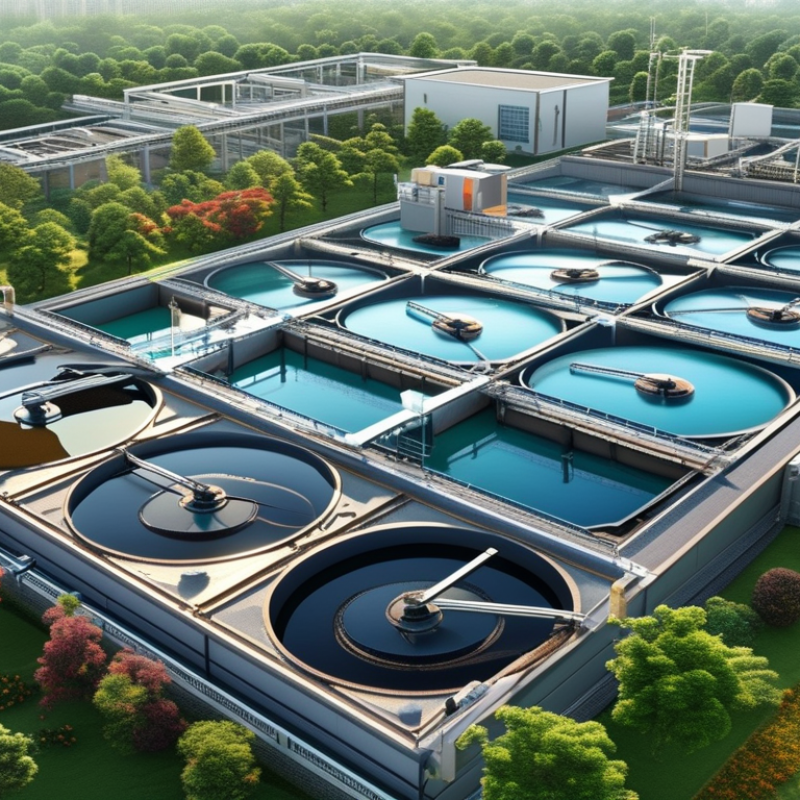
Understanding Wastewater Package Plants and Their Functionality
Wastewater package plants serve a crucial role in treating domestic and industrial wastewater. These systems are compact, pre-engineered solutions designed for efficient water treatment. Generally, they combine different processes like screening, sedimentation, and biological treatment in one unit. According to the Water Environment Federation, around 50% of all wastewater treatment plants in the U.S. are smaller systems, making package plants an ideal choice for remote or rural areas.
Understanding the functionality of these systems is essential for selecting the right one. Key factors include flow rate, treatment method, and energy efficiency. For example, a typical wastewater package plant can handle flows ranging from 1,000 to over 10,000 gallons per day. However, many facilities struggle with maintaining optimal efficiency. Issues like clogging in filtration systems or inconsistent maintenance can reduce performance.
Moreover, these plants vary in design and technology. Some use aerobic treatment, while others focus on anaerobic processes. Statistics reveal anaerobic systems may achieve up to 80% reduction in organic pollutants, whereas aerobic systems excel in quick nitrification. An understanding of these functionalities enables better decision-making. Detailed attention to each plant's characteristics is critical, as a mismatch can lead to inefficiencies and higher operational costs.
Key Factors to Consider When Selecting a Wastewater Package Plant
When selecting a wastewater package plant, several key factors come into play. First, assess the treatment capacity required for your specific application.
According to recent industry reports, an average wastewater package plant has a capacity ranging from 10,000 to 100,000 gallons per day. This range is influenced by the number of users and types of waste. Understanding your volume can prevent future underperformance or unnecessary costs.
Another crucial factor is the technology employed in the treatment process. Common methods include activated sludge, membrane bioreactors, and sequencing batch reactors. Each has its advantages and limitations. For instance, membrane bioreactors offer higher treatment efficiency but come with increased operational costs. It's vital to weigh these aspects based on your operational budget and efficiency needs.
Additionally, consider the plant's compliance with local regulations. A recent study indicated that 40% of package plants failed to meet discharge standards due to inadequate assessments during selection. Engaging with a knowledgeable consultant can help navigate regulatory complexities and ensure long-term reliability. These steps, while detailed, can lead to better decision-making in the selection process.
Assessing Your Specific Wastewater Treatment Needs
When evaluating your wastewater treatment needs, it’s essential to consider specific factors. Understand the volume of wastewater generated by your facility. Determine the type of contaminants present, as this affects equipment choice. Knowing these details can guide you towards suitable options.
Tips: Collect historical data on wastewater output. This information will help you make informed decisions. Consider consulting with an expert in wastewater treatment. Their insights can highlight potential pitfalls.
Also, factor in future growth. Will your facility expand? Anticipate changes in wastewater volume when selecting a package plant. Small choices now can impact future efficiency.
Tips: Keep scalability in mind. Assess your plant’s needs not just for today, but for years to come. Engage with engineers or consultants experienced in wastewater packages. Their expertise offers different perspectives on the right fit for your situation.
How to Choose the Best Wastewater Package Plant for Your Needs?
| Criteria |
Description |
Importance Rating (1-5) |
Example Considerations |
| Capacity |
Determine the volume of wastewater to be treated daily. |
5 |
Residential vs. industrial needs |
| Space Requirements |
Assess the available area for installation. |
4 |
Rural vs. urban settings |
| Regulatory Compliance |
Understand local environmental regulations. |
5 |
Discharge limits, permits |
| Operational Costs |
Evaluate ongoing maintenance and energy costs. |
4 |
Energy efficiency, labor costs |
| Technology Type |
Select between aerobic, anaerobic, or other technologies. |
3 |
Biogas vs. activated sludge systems |
| Scalability |
Determine if the plant can be expanded in the future. |
3 |
Potential community growth |
Evaluating Different Technologies and Options Available
When selecting a wastewater package plant, evaluating different technologies is crucial. Many options are available today, including membrane bioreactors (MBRs), sequencing batch reactors (SBRs), and moving bed biofilm reactors (MBBRs). Each technology has unique advantages and limitations. According to a 2022 report by the Water Environment Federation, MBRs can achieve over 95% pollutant removal efficiency. However, they require higher capital and operational costs, which may not fit every budget.
The capacity of a wastewater treatment system also plays a significant role. Many package plants cater to small and medium communities. A study published in the Journal of Environmental Engineering reveals that treatment capacity can range from 10,000 to 100,000 gallons per day. This flexibility allows for tailored solutions but brings about complexities in scaling operations.
Consideration of regulatory standards is essential, too. Compliance with local and federal guidelines can impact the choice of technology. A discrepancy may lead to costly adjustments after installation. Assess your community’s needs and infrastructure before diving into options. Reflecting on these factors ensures that your choice aligns with both environmental goals and operational realities.
Cost Considerations and Long-Term Maintenance for Package Plants
When selecting a wastewater package plant, cost considerations are crucial. Initial purchase prices can vary significantly based on plant capacity and technology. According to industry reports, costs for these systems can range from $20,000 to over $1 million. This wide range reflects the various options available and the complexities of specific projects.
Maintenance costs are another vital factor. Regular upkeep is essential for optimal performance. Industry data indicates that annual maintenance can account for about 5-10% of the initial investment. Over time, these costs can accumulate, potentially impacting the project's budget. A lack of maintenance can lead to costly repairs and system failures, making it vital to establish a clear maintenance plan upfront.
While advanced technology promises efficiency, it can also introduce unique challenges. Not all plants are created equal. Some systems may be more prone to issues, like clogging or equipment failures. Therefore, consider the long-term reliability of different plants. Researching user experiences and expert evaluations can help identify potential pitfalls. Understanding your specific needs and weighing costs against reliability will lead to an informed choice.
Cost Considerations for Wastewater Package Plants
This bar chart illustrates the various cost considerations associated with wastewater package plants, including initial installation costs and ongoing operational expenses. Understanding these costs is essential for making an informed decision when selecting a package plant.