Why Choose Industrial Waste Water Treatment Systems for Your Business?
In today's industrial landscape, businesses face mounting pressure to manage waste responsibly. Industrial waste water treatment systems have emerged as essential tools for compliance and sustainability. These systems help companies reduce environmental impacts while promoting public health.
Effective waste water treatment ensures that harmful pollutants are filtered out before they enter water bodies. This protects ecosystems and communities. Businesses benefit not only from regulatory compliance but also from improved public perception. Sustainable practices can boost a brand's reputation and customer loyalty.
However, selecting the right treatment system can be challenging. It requires understanding both the technology and specific industrial needs. An optimal balance of efficiency and cost is vital. Some companies may underestimate the complexity of their waste streams. This oversight can lead to costly decisions. Investing time and effort in the right industrial waste water treatment systems is not just a regulatory obligation; it is a strategic business move.
The Importance of Industrial Waste Water Treatment in Business Operations
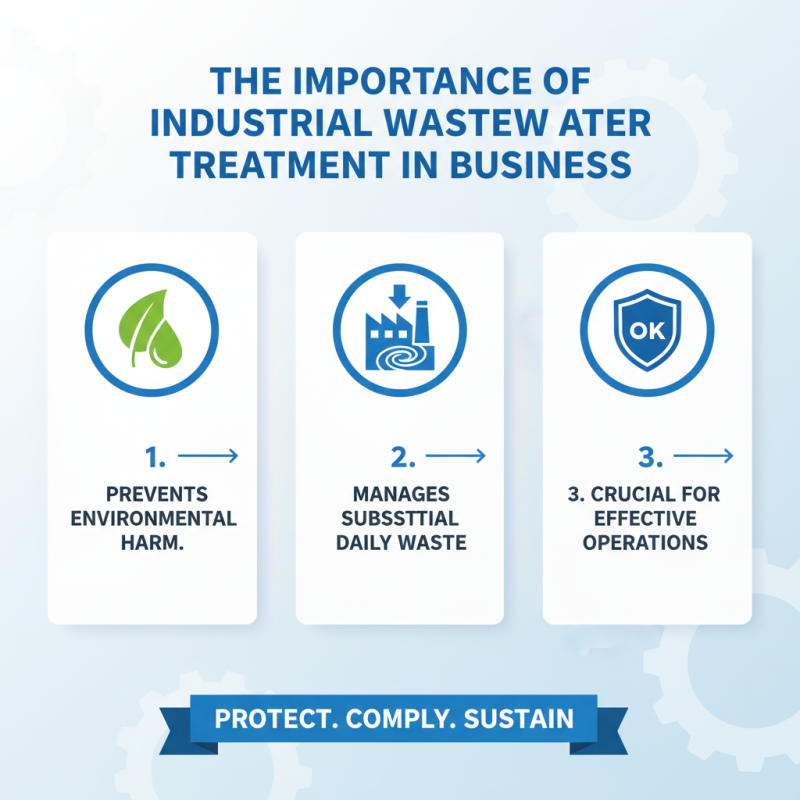
Industrial waste water treatment is crucial for effective business operations. Many companies produce substantial amounts of waste water daily. This waste often contains harmful pollutants. Treating this water properly can prevent negative environmental impacts.
Businesses can face heavy fines if they fail to address waste water issues. Compliance with regulations is not just a legal obligation; it also reflects a company's commitment to sustainability. By investing in appropriate treatment systems, companies demonstrate responsibility towards the local community.
Effective waste water management can also enhance operational efficiency. Well-maintained systems reduce downtime caused by spills or leaks. This improvement can lead to long-term savings. However, many businesses overlook the need for ongoing maintenance. Regular inspections and updates are essential for optimal performance. Ignoring these needs can result in costly repairs and environmental accidents.
Key Benefits of Implementing Waste Water Treatment Systems
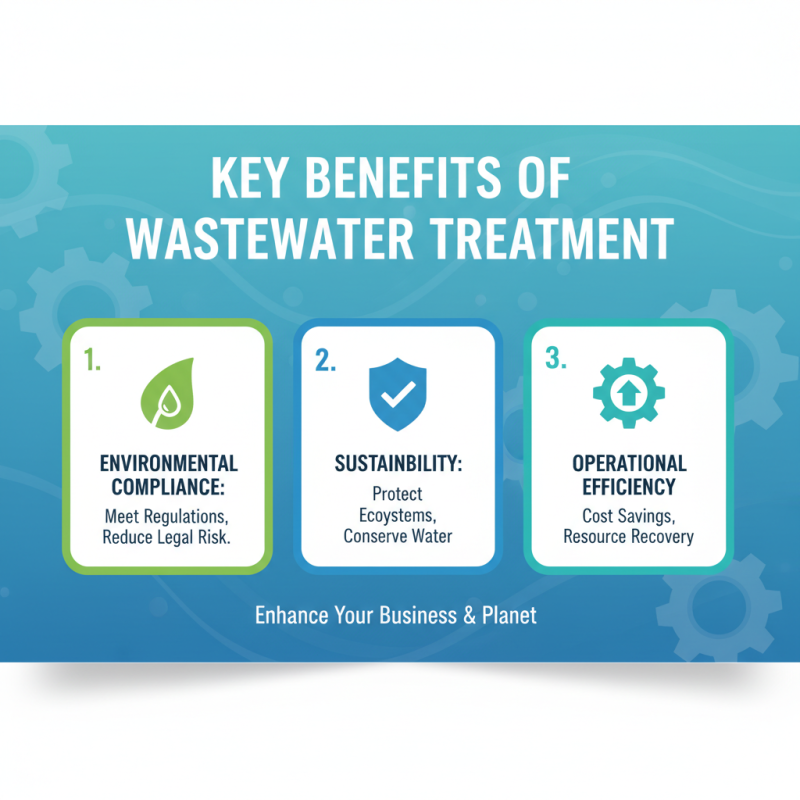
When it comes to managing industrial operations, choosing the right wastewater treatment system is critical. Implementing waste water treatment systems offers a host of benefits that can enhance your business sustainability and operational efficiency. One major benefit is compliance with environmental regulations. These systems ensure that your business meets local standards, minimizing legal risks.
Another key benefit is cost savings. Recycling treated water reduces the need for fresh water. This not only lowers your water bills but also decreases the need for extensive water supply infrastructure. Moreover, you can potentially sell treated water for industrial reuse, creating an additional revenue stream.
Tips: Regular maintenance of your wastewater system is essential. Neglect can lead to costly repairs. Additionally, involve your staff in training sessions. They need to understand the importance of the system's operations.
While many businesses see immediate benefits, some may struggle with the initial investment and ongoing costs. This requires careful financial planning and a commitment to long-term gains. Understanding the unique needs of your operation can lead to better decision-making in selecting an appropriate system. Choosing the right technology and approach is not just about compliance; it’s about building a responsible and effective business model.
Types of Industrial Waste Water Treatment Technologies Available
Industrial wastewater treatment technologies play a crucial role in managing the environmental impact of manufacturing processes. Various systems are available, each tailored to specific types of waste. These technologies include biological treatment, physical filtration, and advanced oxidation processes. According to a 2022 report by the Environmental Protection Agency, over 70% of industrial facilities globally utilize some form of water treatment technology to manage wastewater effectively.
Biological treatment methods, such as activated sludge and biofilters, leverage microorganisms to degrade organic materials in effluent. This is especially effective for food processing and pharmaceutical industries. Reports indicate that biological systems can reduce BOD (biochemical oxygen demand) levels by up to 90%. However, these systems require careful monitoring and can be sensitive to fluctuations in waste composition.
In contrast, physical treatment methods like membrane filtration and sedimentation are vital for industries dealing with heavy metals or particulate matter. These technologies efficiently remove solids and contaminants from wastewater. Yet, the reliance on membranes can lead to fouling, demanding regular maintenance. As a result, facilities often face challenges in balancing cost and reliability in their treatment systems. Continuous evaluation and adaptation of these technologies remain essential for long-term sustainability.
Factors to Consider When Choosing a Waste Water Treatment System
Choosing the right wastewater treatment system is crucial for any industrial operation. It directly impacts efficiency, compliance, and environmental sustainability. Several key factors should guide your decision-making process.
Consider the specific types of waste your facility generates. Different processes require tailored solutions. For example, high levels of chemical contaminants might necessitate advanced treatment options. Analyze your water usage patterns as well. This will help determine the capacity and design of the system you need.
Cost is another critical factor. Initial investment may be significant, but operational costs also matter. Sometimes, systems with lower upfront costs can lead to higher expenses later. Assess the total cost of ownership, including maintenance and energy consumption. Moreover, evaluate the technology’s scalability. As business needs change, your system should adapt without requiring a complete overhaul. Seek systems that offer flexibility for future growth.
Industrial Wastewater Treatment Systems: Key Factors
This chart illustrates the main factors businesses consider when choosing industrial wastewater treatment systems. The factors include Cost, Efficiency, Compliance, Maintenance, and Environmental Impact.
Regulatory Compliance and Environmental Impact of Waste Water Treatment
The regulatory landscape for industrial waste water treatment is complex. Businesses must understand local and national regulations. These laws protect water sources and public health. Violating these regulations can lead to hefty fines and legal consequences. Companies must prioritize compliance to avoid these pitfalls.
Effective waste water treatment systems help businesses meet regulatory standards. They play a crucial role in minimizing environmental impact. Contaminants in waste water can harm aquatic life and disrupt ecosystems. Investing in treatment solutions reflects a commitment to sustainability. However, many businesses overlook the importance of proper waste disposal.
Some companies struggle with outdated systems that fail to meet new regulations. This not only affects compliance but can also lead to increased operational costs. Regular assessments of current waste water practices are essential. Identifying flaws can help prevent future issues. Taking a proactive approach allows companies to adapt and thrive, ensuring both compliance and environmental stewardship.