Why Choose Ground Rod Copper for Your Electrical Needs?
When it comes to electrical grounding, choosing the right materials is crucial. Ground Rod Copper stands out due to its excellent conductivity and durability. Industry reports indicate that copper is nearly twice as conductive as aluminum, making it a preferred choice for grounding systems. The National Electrical Code (NEC) recommends copper for various applications, affirming its reliability.
However, Copper ground rods come with challenges. Although they resist corrosion better than other metals, they can still degrade in certain soil types. Studies show that improper installation can lead to significant failures over time. Installers must be aware of soil conditions and installation techniques to ensure lasting performance.
The investment in Ground Rod Copper pays off. According to a 2022 report by the International Copper Association, copper grounding systems, when properly maintained, can last over 30 years. This longevity, coupled with its superior performance, makes Ground Rod Copper a compelling choice for electrical needs. Facilities looking for safe and efficient grounding should carefully consider this option.
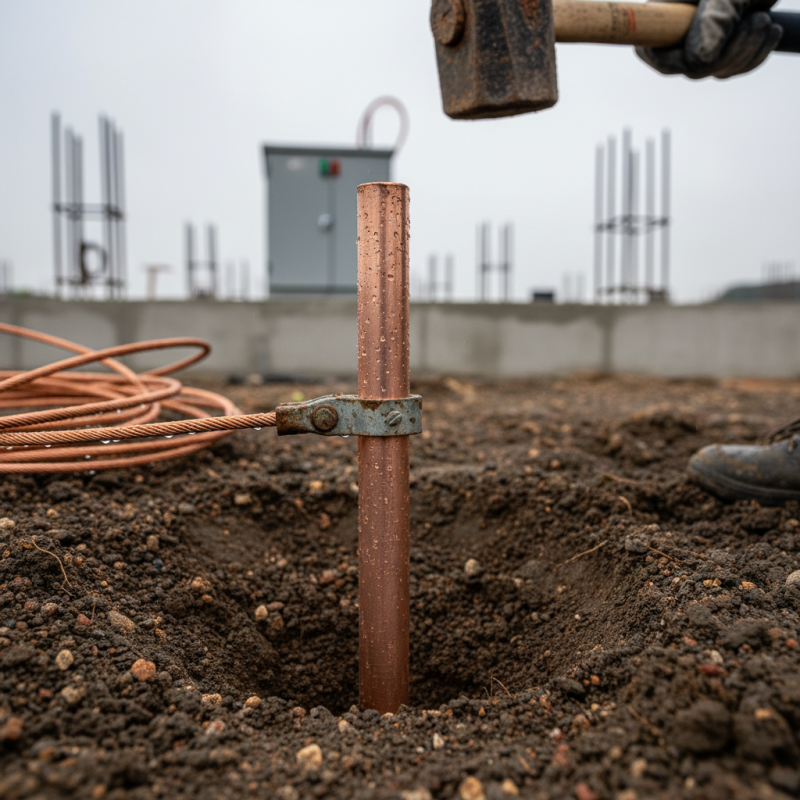
Benefits of Using Copper for Ground Rods in Electrical Systems
Copper has long been favored for ground rods in electrical systems. One reason is its excellent conductivity. Copper efficiently directs excess electricity into the ground. This reduces the risk of electrical shocks. It can also prevent equipment damage from voltage surges.
Another benefit is copper’s resistance to corrosion. This durability ensures that ground rods remain effective over time. Corroded rods can lead to poor connections. Poor connections increase safety risks. Regular inspections are still important, as environmental factors can affect performance.
Tips: When installing, choose a depth of at least eight feet to ensure efficacy. It’s vital to ensure connections are tight. Loose connections can create resistance, affecting safety. Consider using connectors that are also copper-based, as this further reduces corrosion risks. Always consult a professional for guidance on local codes and regulations.
Conductivity and Resistance: Why Copper Outperforms Other Materials
Copper is a popular choice for ground rods due to its excellent conductivity. This metal allows electric current to flow with minimal resistance. In contrast, materials like aluminum do not perform as well. Copper's high conductivity means less energy loss. This translates to increased efficiency in electrical systems.
Resistance in electrical connections can lead to significant issues. With copper, the resistance is not only low but also stable over time. In harsh weather conditions, other materials can corrode and lose effectiveness. Copper maintains its conductivity, ensuring reliable performance. Many professionals favor copper, but it comes with a high initial cost. Yet, the long-term benefits often outweigh this expense.
Using copper for grounding is wise for safety and reliability. However, some may question its affordability. The investment pays off in reduced maintenance and increased system stability. It's crucial to evaluate your specific needs honestly. Sometimes, cheaper alternatives seem appealing. Still, the risk of poor conductivity may result in future problems. Choosing copper means investing in quality and performance.
Durability and Longevity of Copper Ground Rods in Harsh Environments
Copper ground rods offer exceptional durability and longevity, especially in harsh environments. Research from the International Electrotechnical Commission (IEC) shows that copper can withstand corrosive conditions better than aluminum or steel. In many regions, temperature fluctuations and moisture can lead to rapid deterioration of other grounding materials. Copper's resistance to oxidation contributes to its extended lifespan.
In severe environments, copper rods can last over 30 years, as reported by the National Electrical Manufacturers Association (NEMA). This longevity speaks volumes about their reliability for electrical safety. Moreover, copper's ability to handle high electrical currents means it minimizes the risk of ground faults. However, maintaining proper installation techniques is crucial. Poorly installed ground rods can lead to performance issues even with high-quality materials.
Some studies suggest that without routine inspections, even copper rods can face challenges. Wildlife damage and human interference may affect their integrity. Regular checks ensure that any potential issues are addressed promptly. Though copper excels in many areas, factors like installation depth and surrounding soil conditions must be considered. Awareness of these variables can significantly enhance the effectiveness of copper ground rods.
Cost Considerations: Value of Investing in Copper Grounding Solutions
When considering grounding solutions, copper rods stand out for their performance and reliability. The initial cost of copper may seem high, but its long-term benefits are notable. A copper ground rod can last decades without corroding. This durability translates into fewer replacements and maintenance costs over time.
Investing in copper grounding solutions can save money in the long run. While materials like aluminum are cheaper upfront, they do not offer the same stability. Over time, aluminum can suffer from corrosion, necessitating more frequent replacements. This leads to a hidden cost that many might overlook.
However, it’s essential to evaluate your specific needs before committing. The upfront investment may feel daunting. Some projects may not require premium materials. Assessing the environment and application is crucial. Recognizing the balance between cost and longevity will guide you to make an informed decision when selecting grounding solutions.
Installation and Compliance Standards for Copper Ground Rods in Projects
When it comes to electrical projects, ensuring safety and compliance is crucial. Copper ground rods are a preferred choice due to their excellent conductivity and corrosion resistance. Installation standards often require these rods to be driven into the ground at least eight feet deep. This depth helps achieve the necessary resistance for effective grounding. Following these guidelines is vital for the safety of both personnel and equipment.
Compliance standards, such as those outlined by the National Electrical Code, emphasize the importance of proper grounding. Ground rods must be installed with a specific spacing and orientation to optimize performance. Installing a copper ground rod isn’t just about placing it in the ground. The connection also matters. It should be securely bonded to the electrical system for efficient fault current flow.
It’s easy to overlook the installation details. However, improper grounding can lead to significant risks. Regular inspections can identify any potential issues early on. It’s essential to remain diligent and informed about these standards to ensure long-term reliability and safety in your electrical systems.
Why Choose Ground Rod Copper for Your Electrical Needs?
The chart above illustrates key characteristics of copper ground rods necessary for electrical installations. The focus areas include conductivity, corrosion resistance, longevity, and cost, which are essential for ensuring safe and compliant electrical systems.