Why Choose an Electric Stacker for Your Warehouse Needs?
In the fast-paced world of warehousing, choosing the right equipment can make all the difference. An Electric Stacker stands out as a vital tool for many facilities. This machine combines efficiency and safety, making it an attractive option for various tasks.
Electric Stackers are ideal for handling heavy loads in tight spaces. Their compact design allows for effortless maneuvering, even in crowded aisles. With rising demands for productivity, more warehouses are shifting towards this technology. Users often appreciate the reduced noise levels and decreased emissions compared to traditional options.
However, it's essential to evaluate the specific needs of your warehouse. While Electric Stackers offer many advantages, potential drawbacks include initial costs and battery maintenance. Reflecting on these factors can help you make a well-informed decision. Investing in the right equipment is not just about immediacy; it's about long-term gains. Choosing an Electric Stacker could be a game changer for your operational efficiency.
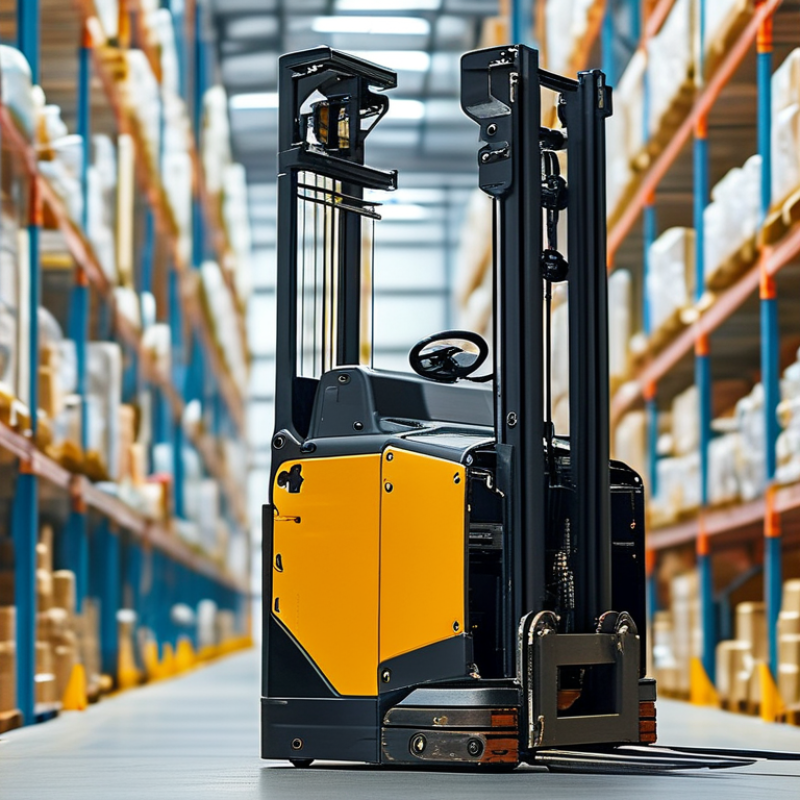
Benefits of Using an Electric Stacker in Warehouse Operations
Electric stackers have become a vital asset in warehouse operations. They provide various benefits that enhance productivity and safety. One notable advantage is the reduction in physical strain on workers. Using electric stackers allows operators to lift and move heavy loads with little effort. This can help decrease workplace injuries.
Efficiency is another key benefit. Electric stackers are designed for quick maneuvering in tight spaces. Their compact size enables them to operate in areas that traditional forklifts cannot access. This leads to better space utilization and streamlined workflows. As a result, warehouses can handle more inventory and fulfill orders faster.
Customization of operations is an important point to consider. Electric stackers can adapt to various tasks, from stacking pallets to picking items. However, proper training is essential to maximize effectiveness. Users may face a learning curve and potential mishaps without adequate experience. It’s crucial for companies to invest in training programs to minimize these challenges and enhance overall safety.
Key Features to Look for When Selecting an Electric Stacker
When selecting an electric stacker for your warehouse, certain features stand out. Consider the lifting capacity. It’s crucial to assess the weight of your loads. An electric stacker should comfortably handle the heaviest items. Pay attention to the mast height as well. This affects how high you can lift products. Ensure it meets your specific storage requirements.
Battery life is another key element. A reliable battery will minimize downtime and enhance productivity. Look for stackers with quick charging capabilities. Additionally, evaluate the stacker’s maneuverability. Narrow aisles demand a compact design. The machine should be easy to control. Ergonomics is important too; the operator’s comfort can influence overall efficiency.
Lastly, consider safety features. An electric stacker with intuitive controls can reduce accidents. Visibility is vital; a clear view of the load helps prevent mishaps. Assessing these features will help you make an informed choice. Your needs might differ from others, so reflect on specific tasks. Remember, the right electric stacker can significantly streamline your warehouse operations.
Cost Efficiency: Analyzing the Economic Advantages of Electric Stackers
Electric stackers have become a popular choice for warehouse operations, primarily due to their cost efficiency. These machines reduce labor costs significantly. They require fewer operators than traditional forklifts because they offer automated functions. With this automation, you can expect fewer injuries and less time spent on training. This leads to lower operational costs.
Moreover, electric stackers tend to have reduced maintenance expenses. They use batteries instead of combustion engines. This not only simplifies the maintenance process but also cuts down on fuel expenses. The ability to charge during breaks maximizes uptime without additional costs for fuel. However, the initial investment can be a concern. It requires careful assessment to ensure long-term savings outweigh the upfront costs.
In addition, electric stackers are environmentally friendly. They produce zero emissions during operation, which is crucial for indoor environments. Companies may face pressure to adopt greener practices. Yet, the benefits extend beyond compliance. A cleaner warehouse can improve employee morale and health. Balancing these benefits against the investment makes for a complex decision.
Comparing Electric Stackers to Traditional Manual Forklifts
Electric stackers are gaining traction in warehouses. They offer several advantages over traditional manual forklifts. One significant benefit is ease of use. Electric stackers often require less physical effort to operate. This means workers can move goods without heavy lifting. Reduced strain decreases the risk of workplace injuries.
Additionally, electric stackers are more efficient in tight spaces. Their compact design allows for maneuvering in confined areas. This is essential in busy warehouses where every inch counts. Manual forklifts may struggle in these situations, slowing down operations. However, transitioning to electric stackers isn’t always seamless. Training may be needed to ensure proper use.
Cost is another factor to consider. Electric stackers have a higher upfront cost. However, they can reduce operational costs over time. Charging them is often cheaper than fueling traditional forklifts. Maintenance can also be less frequent with electric models. Yet, companies must evaluate whether the initial investment is justified by potential savings.
Safety Considerations When Using Electric Stackers in Warehouses
When using electric stackers in warehouses, safety must be a top priority. These machines can handle heavy loads, but operator training is essential. Workers should understand how to maneuver stackers in tight spaces. Proper training reduces the risk of accidents. An operator who knows the machine can navigate effectively.
Additionally, checking the stacker before each use is crucial. This includes examining brakes, lights, and steering functions. Regular maintenance contributes to safety and reliability. Safety gear is also important. Helmets and high-visibility vests ensure operators remain protected in busy environments.
Another potential risk involves load stability. Overloading can lead to dangerous tipping. Operators should be trained to assess load weights and balance. It's essential to stack materials in a stable manner. Continuous awareness of surroundings can help prevent collisions. The combination of training and vigilance is vital for safe electric stacker operations.
Why Choose an Electric Stacker for Your Warehouse Needs? - Safety Considerations When Using Electric Stackers in Warehouses
| Feature | Benefit | Safety Consideration |
| Environmentally Friendly | Reduces carbon footprint | Ensure proper ventilation |
| Reduced Noise Pollution | Quieter operation compared to gas forklifts | Implement noise control measures |
| Improved Maneuverability | Can operate in tight spaces | Train operators on spatial awareness |
| Lower Operating Costs | Less maintenance and fuel costs | Regular maintenance schedule is essential |
| Enhanced Safety Features | Includes features like automatic brakes | Conduct safety training for all users |
| User-Friendly Controls | Simpler controls improve operator efficiency | Provide operator training for new systems |