How to Choose the Best Wastewater Treatment Plant Solutions?
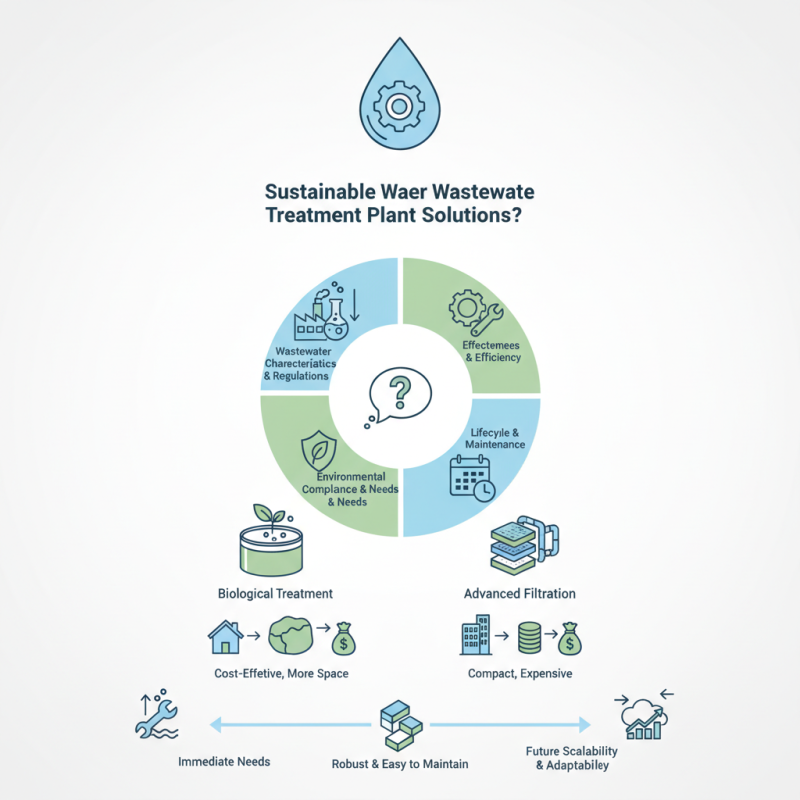
Choosing the right wastewater treatment plant is crucial for sustainable water management. It involves assessing various factors to ensure effectiveness and efficiency. A reliable wastewater treatment plant meets specific needs and environmental regulations. It should also consider the unique characteristics of the wastewater being treated.
Several technologies are available for wastewater treatment. Each has its pros and cons. For instance, biological treatments are often cost-effective but may require more space. On the other hand, advanced filtration systems can be compact but expensive. Understanding these options can greatly influence decision-making.
It's essential to reflect on the lifecycle and maintenance of the chosen solution. A wastewater treatment plant should be easy to maintain yet robust enough to handle fluctuations in wastewater flow. Decisions should not only focus on immediate needs but also on future scalability and adaptability.
Understanding the Importance of Wastewater Treatment Plant Solutions
Wastewater treatment plays a crucial role in maintaining public health and environmental sustainability. According to the U.S. Environmental Protection Agency (EPA), approximately 34 billion gallons of wastewater are treated daily in the United States alone. This process not only reduces pollution but also conserves water resources. Choosing the right wastewater treatment plant solutions has significant implications for communities. Effective systems can influence water quality, impacting ecosystems and human populations.
The global market for wastewater treatment is projected to reach $715 billion by 2027, reflecting growing awareness of its importance. However, many plants struggle with outdated technology, which can lead to inefficiencies. For instance, around 30% of wastewater facilities are reported to operate below optimal levels. Addressing these inefficiencies requires a commitment to modernizing infrastructure and investing in new technologies. Furthermore, it is essential to engage local stakeholders to ensure that the chosen solutions meet community needs.
Investments in advanced treatment options can yield substantial returns. Cleaner water can boost local economies, particularly in industries reliant on water quality. Yet, the complexity of regulations and varying local conditions can complicate the decision-making process. It is vital to weigh the benefits of advanced systems against potential risks, including increased operational costs or resistance from local communities. Transparent communication and stakeholder involvement are key to navigating these challenges effectively.
Identifying Key Factors in Selecting Wastewater Treatment Technologies
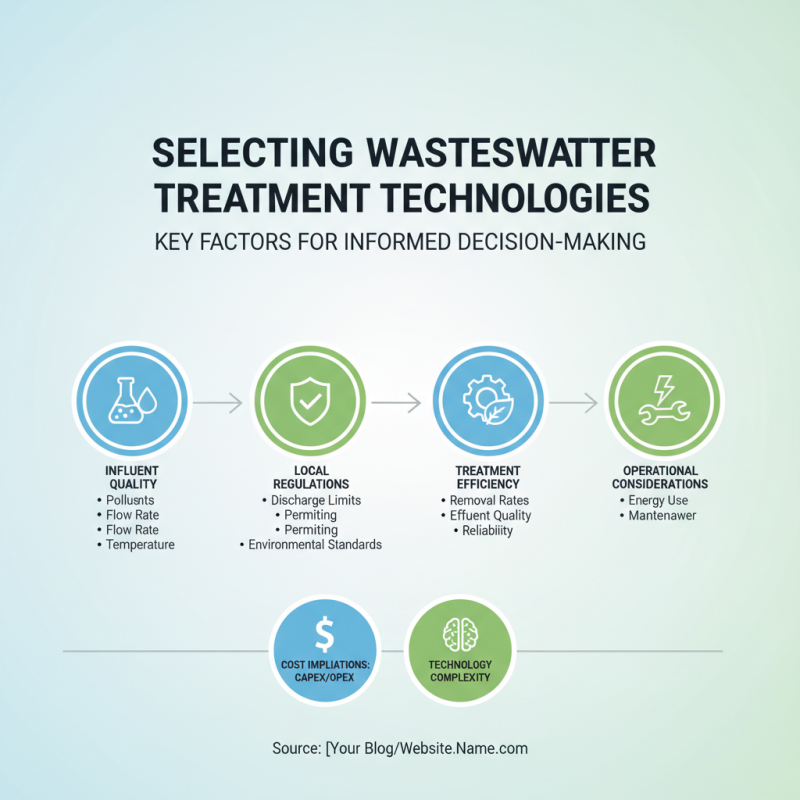
Choosing the right wastewater treatment technology requires careful consideration of several key factors. Understanding the specific requirements of your facility is crucial. Each plant has unique characteristics, such as influent quality and local regulations. Factors like treatment efficiency, energy consumption, and operational complexity should be evaluated.
Tips for Selection: Look closely at treatment processes in use. Technologies like activated sludge or membrane bioreactors each have strengths and weaknesses. Assess your long-term goals, including future capacity and environmental impact. Gathering data from similar facilities can provide valuable insights.
Another aspect to consider is the ongoing support from the technology provider. Reliability is key in wastewater treatment. Poor maintenance can lead to costly downtime. Ensure the provider offers training and responsive service. They should assist in regular system evaluations. Relying solely on initial installations without further checks may lead to issues.
Ultimately, selecting the best solution balances performance, cost, and sustainability. Keeping detailed records during the assessment helps identify potential pitfalls. Regular reflections on the chosen technology may lead to process improvements. This comprehensive understanding aids in making informed, effective decisions.
Evaluating Different Types of Wastewater Treatment Processes
When selecting a wastewater treatment process, it's essential to understand the different types available. Common methods include biological treatment, chemical treatment, and physical treatment. Each has unique advantages and limitations. For example, biological treatment often relies on microorganisms to break down organic matter. This process can be efficient but may require careful monitoring of environmental conditions.
Chemical treatment involves adding substances to the wastewater. This can effectively remove contaminants but might introduce new challenges, such as managing chemical residues. Additionally, this method can be more expensive due to the ongoing costs of chemicals. Physical treatment, like filtration and sedimentation, is straightforward. However, it often requires additional processes to achieve desired purity levels.
Assessing these methods involves more than just efficiency. It's vital to consider the specific context of your facility. An inappropriate choice could lead to increased costs and environmental impacts. Engaging with experts in the field may provide insights tailored to your needs. Balancing these factors can be complex, but taking the time to understand each process's mechanics is crucial for making informed decisions.
Assessing Cost-Effectiveness and Environmental Impact of Solutions
When evaluating wastewater treatment solutions, cost-effectiveness is crucial. Budget constraints often limit options. A thorough analysis of initial costs versus long-term savings is imperative. Look at installation expenses, operational costs, and potential maintenance needs. Cheaper solutions may incur hidden costs, so it's vital to account for all factors.
Environmental impact cannot be overlooked. Effective treatment should minimize harm to ecosystems. Assess the technology's energy consumption and waste by-products. Some methods may be efficient but harmful. Consider the carbon footprint of each option. Research shows that investing in greener technologies often pays off in the long term.
Stakeholder engagement is valuable. Communities can offer insights into local water quality issues. They can also influence project acceptance. Listening to community concerns can help tailor solutions. This approach may reveal unexpected challenges, ensuring a more sustainable choice. Balancing costs with environmental responsibility leads to thoughtful, impactful decisions.
Comparison of Wastewater Treatment Solutions
Integrating Regulatory Compliance and Future Trends in Wastewater Management
When considering wastewater treatment solutions, regulatory compliance is crucial. With many regions facing stricter regulations, understanding these requirements is essential. The World Health Organization reported that approximately 80% of wastewater globally is released without adequate treatment. This statistic highlights the urgency for industries to adopt compliant technologies that mitigate environmental impacts.
Future trends indicate a shift towards sustainable practices in wastewater management. The U.S. Environmental Protection Agency anticipates significant advancements in membrane bioreactor technology by 2025. These innovations promise to enhance treatment efficiency while reducing energy consumption. However, organizations often struggle to keep pace with evolving standards. This gap can lead to costly penalties and a damaged reputation.
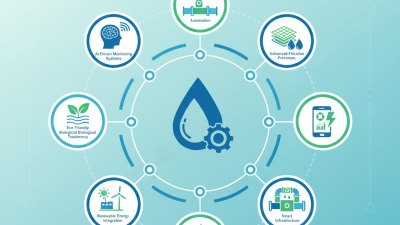
Integration of smart technologies can help bridge this gap. Data analytics, real-time monitoring, and automation can ensure compliance. A study by the Water Environment Federation suggests that 60% of utilities see improved outcomes with such integrations. Yet, challenges remain, especially for smaller facilities lacking resources. Balancing immediate compliance with long-term sustainability will require ongoing adaptation and foresight.