Top Centrifugal Pump Types and Their Applications in 2026?
In the evolving world of industrial machinery, centrifugal pumps stand out as a vital component. Industry expert Dr. Emily Roberts states, "Centrifugal pumps are essential for efficient fluid transfer." Their importance is only set to grow in 2026.
Centrifugal pumps operate by converting rotational energy into fluid movement. This mechanism is crucial in sectors like water supply, chemical processing, and HVAC systems. Yet, with technological advancements, many users face challenges. Efficiency is often hampered by improper selection or maintenance of pump types.
Understanding the different types of centrifugal pumps is critical. Each type serves distinct applications, ranging from standard pumps to specialized designs. As industries evolve, so too does the demand for improved performance and reliability. Reflecting on these trends will guide future selections and innovations in centrifugal pump technology.
Overview of Centrifugal Pump Fundamentals and Mechanisms
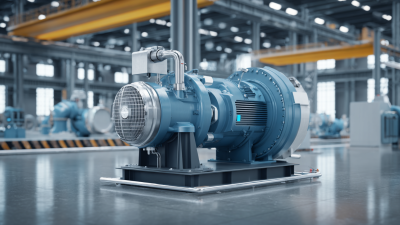
Centrifugal pumps are vital in many industries. They use centrifugal force to move fluids efficiently. This mechanism involves a rotating impeller placed within a casing. As the impeller turns, it imparts kinetic energy to the fluid. The fluid accelerates outward, increasing its pressure. This simple yet effective design makes centrifugal pumps versatile.
Choosing the right pump can be challenging. Specific applications require different pump characteristics. For instance, high-viscosity fluids need pumps designed for such tasks. Not all pumps can handle varying temperatures or pressures. Matching pump types with their intended use is crucial. It's often overlooked.
Tip: Always check the pump's specifications. Ensure it meets your fluid's requirements. Minor details can lead to significant performance issues.
Centrifugal pumps tend to wear out over time. Regular maintenance is essential to avoid failures. Inspect seals, bearings, and impellers periodically. Sharpen your knowledge about maintenance practices. Many operators underestimate this aspect. Noticing small leaks early can prevent bigger problems later.
Tip: Keep a maintenance log. Track any issues or performance changes. It helps in identifying patterns and planning repairs.
Major Types of Centrifugal Pumps and Their Unique Features
Centrifugal pumps are essential in various industries. They move fluids through rotational energy. Key types include radial, axial, and mixed flow pumps. Each type has unique features that cater to specific applications. For instance, radial pumps are efficient for high-pressure systems. They are often used in water treatment and chemical processing.
According to a 2023 industry report, the global centrifugal pump market is projected to reach $32 billion by 2026. This growth is driven by increasing demand in agriculture and manufacturing. Axial pumps are notable for handling large volumes at lower pressures. They are often used in irrigation systems. However, axial pumps can be inefficient in certain scenarios, leading to energy waste.
Mixed flow pumps provide versatility, combining features of both radial and axial designs. They excel in applications requiring moderate pressure and flow rates. Issues such as cavitation and wear can occur in mixed flow pumps. Regular maintenance is crucial to address these potential failures. Overall, understanding the strengths and weaknesses of each centrifugal pump type is vital for optimal selection and efficiency.
Applications of Centrifugal Pumps in Various Industries
Centrifugal pumps play a vital role in various industries. In 2026, their applications are expected to grow significantly. According to a recent market report, the global centrifugal pump market is projected to reach $43 billion by 2026. This indicates increasing demand across sectors.
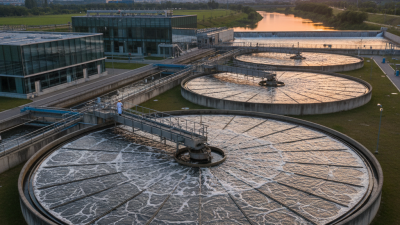
In the oil and gas industry, centrifugal pumps are essential for transporting crude oil and refined products. They handle large volumes efficiently, but their energy consumption is a concern. Many facilities face challenges in optimizing pump efficiency. In the water and wastewater sector, these pumps help in treatment processes. They account for about 30% of energy costs in treatment plants. There’s a pressing need for solutions to reduce operational expenses.
Moreover, in the chemical industry, these pumps facilitate the movement of various fluids. The risk of leaks can lead to hazardous situations. A significant portion of chemical plants still struggle with aging equipment. This highlights the need for upgrades to prevent costly downtimes. Addressing these inefficiencies remains a challenge.
Top Centrifugal Pump Types and Their Applications in 2026
This chart displays the distribution of various types of centrifugal pumps used across different industries in 2026. The analysis reflects the increasing demand in sectors such as oil & gas, water treatment, and manufacturing.
Emerging Trends and Technologies in Centrifugal Pump Design
Centrifugal pumps are evolving rapidly. In 2026, innovative designs will reshape their applications. One significant trend is the adoption of smart technologies. These pumps will utilize IoT capabilities for real-time data monitoring. This data helps in predictive maintenance. Operators can avoid sudden failures, saving time and operational costs.
Another important aspect is the focus on energy efficiency. Advanced materials are making these pumps lighter yet more durable. Improved hydraulics will optimize flow rates. This means less energy consumption for the same output. However, the integration of new technologies often brings challenges. Training for personnel is crucial but often overlooked. Additionally, ensuring compatibility with existing systems can be difficult.
Sustainability is also a critical element in future centrifugal pump design. Eco-friendly materials are gaining traction. These materials help reduce environmental impact without sacrificing performance. Yet, the shift requires careful planning and execution. Some companies may struggle with this transition, facing resistance to change. Continuous research and adaptation will be essential for success in this evolving landscape.
Top Centrifugal Pump Types and Their Applications in 2026
| Pump Type |
Applications |
Key Features |
Emerging Trends |
| End Suction Pump |
Water supply, irrigation |
High efficiency, easy maintenance |
Smart monitoring systems |
| Vertical Turbine Pump |
Deep well applications, groundwater extraction |
Space-saving design, multi-stage options |
IoT integration for remote monitoring |
| Submersible Pump |
Sewage, drainage, and wastewater management |
Compact, low noise operation |
Enhanced energy efficiency standards |
| Multi-stage Pump |
Booster applications, high-pressure systems |
High pressure, reliable performance |
Advanced materials for durability |
| Self-Priming Pump |
Transfer of liquids, agricultural applications |
No need for external suction, easy operation |
Automation features for reduced labor |
Future Challenges and Opportunities for Centrifugal Pumps in 2026
As we approach 2026, centrifugal pumps face unique challenges. The demand for efficiency is rising. Many industries need to reduce energy consumption while maintaining high performance. This creates a dilemma for pump manufacturers. They must innovate without sacrificing reliability. Developing more durable materials is one path forward. However, this often involves higher production costs.
Environmental regulations are tightening. Companies must also consider sustainability. Pump designs will increasingly emphasize eco-friendliness. Yet, some manufacturers struggle to strike a balance. Transitioning to greener technologies can lead to inconsistencies in performance. Integrating smart technology can improve monitoring and efficiency, but it requires additional investment and training. This leads to questions about practicality for smaller businesses.
Markets are fluctuating. Economic pressures can hinder investments in new technologies. Adapting to changing customer needs is essential, but not easy. Innovation should be guided by real-world feedback. The path ahead is not clear. Companies must reflect on their strategies to stay relevant. Solving these issues will shape the future of centrifugal pumps in various applications.