2026 Best Waste Water Treatment Methods For Global Buyers?
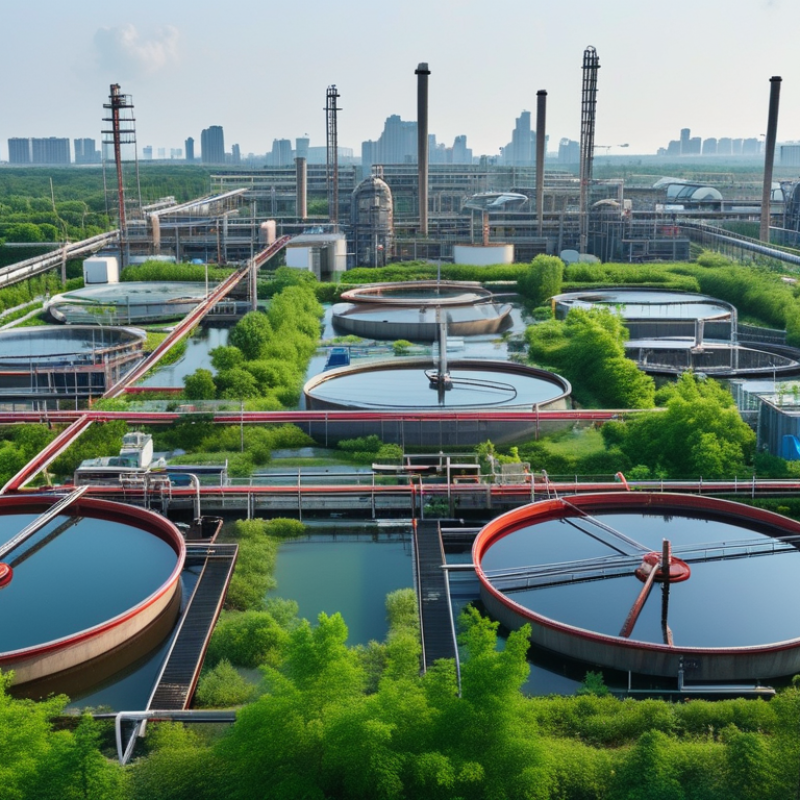
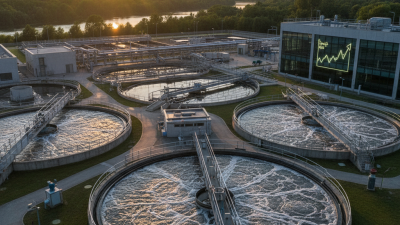
As global concerns about water scarcity and pollution grow, effective waste water treatment methods have become essential. Many industries face mounting pressure to adopt innovative technologies. These methods not only ensure compliance with regulatory standards but also promote sustainability.
The landscape of waste water treatment is rapidly evolving. From traditional biological processes to advanced technologies like membrane filtration and chemical treatment, the options are vast. Buyers must navigate this diversity to find solutions that best fit their needs.
Challenges persist, including cost-effectiveness and efficiency. What works in one region might fail in another due to local conditions. Understanding these nuances is crucial for making informed decisions. As buyers explore their options, staying updated on trends and emerging technologies is vital for effective waste water management.
Overview of Waste Water Treatment and Its Importance in 2026
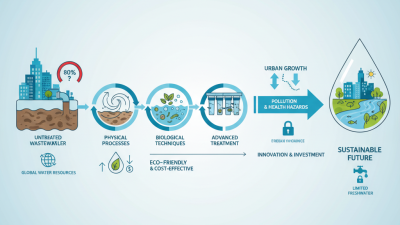
Wastewater treatment is critical for protecting human health and the environment in 2026. In recent years, the global demand for effective wastewater management has increased significantly. The World Health Organization reported that untreated wastewater can cause severe health issues, contributing to nearly 2 million deaths annually from waterborne diseases. Thus, investing in reliable treatment methods is essential for sustainable development.
Emerging technologies like membrane bioreactors and advanced oxidation processes show promise in improving treatment efficiency. A recent report from the International Water Association indicates that these methods can reduce contaminants by up to 90%. Such advancements allow for the recovery of valuable resources, including water and energy. However, challenges remain, such as high operational costs and the need for skilled personnel to manage these advanced systems.
Environmental considerations also play a significant role. Many existing plants struggle with outdated infrastructure. The lack of upgrades leads to inefficiencies and increased pollution. According to a 2023 study by the United Nations, approximately 80% of the world's wastewater is released into the environment without proper treatment. This statistic highlights the urgent need for improvement in wastewater management practices worldwide. Addressing these issues is paramount to ensuring safe water access for future generations.
Current Global Regulations Affecting Waste Water Treatment Methods
Current global regulations are reshaping waste water treatment methods. Many countries have stringent standards to control pollution and water quality. For instance, the European Union's Water Framework Directive emphasizes ecological health and sets specific limits on contaminants.
Data from the World Health Organization indicates that by 2025, more than 1.8 billion people will experience water scarcity. This looming crisis forces nation-states to adopt better waste water management strategies. Advanced technologies, such as membrane bioreactors, offer solution possibilities. These methods can achieve high removal rates for pathogens and organic matter.
Despite advancements, gaps remain in compliance levels. A report from the United Nations highlights that 80% of waste water is discharged untreated in many developing regions. This failure raises concerns about public health and environmental sustainability. Addressing these regulatory challenges requires cooperation on an international scale. Local governments must ensure regulations are not only in place but also enforced effectively.
Innovative Technologies in Waste Water Treatment for Environmental Sustainability
Innovative technologies are reshaping the wastewater treatment landscape. According to the United Nations, about 80% of global wastewater is discharged untreated. This alarming figure highlights the urgent need for advanced treatment solutions. New methods focus on enhancing efficiency while safeguarding environmental sustainability.
One promising technique is membrane bioreactor (MBR) technology. MBR combines biological treatment with membrane filtration. This process reduces the space required for treatment plants and results in higher-quality effluent. A report by Global Water Intelligence indicates that the MBR market is projected to grow by 15% annually. This growth reflects increased interest in sustainable practices.
Another noteworthy innovation in wastewater treatment is the use of advanced oxidation processes (AOPs). AOPs utilize powerful oxidants to eliminate pollutants. These processes are particularly effective in treating industrial wastewater that contains toxic substances. Nevertheless, the implementation of AOPs can be costly and complex. Ongoing research is necessary to optimize their efficiency and reduce operational expenses. Stakeholders must weigh these factors when considering adoption.
Cost-Effectiveness of Various Waste Water Treatment Techniques for Buyers
When selecting waste water treatment methods, cost-effectiveness is crucial for global buyers. According to a 2022 report by the Global Water Intelligence, biological treatment methods are often the most affordable, with costs ranging from $0.50 to $1.00 per cubic meter. They rely on natural processes, making them sustainable and efficient. However, the initial setup can be expensive, creating a barrier for smaller facilities.
Membrane technologies are gaining popularity. A recent study indicated their operational costs range from $1.00 to $2.50 per cubic meter. Although they offer higher efficiency, they also require regular maintenance. This ongoing expense may not suit every budget. Investing in advanced systems could yield long-term savings, though buyers should weigh these upfront costs carefully.
Consider the emerging electrochemical treatment methods. Reports show they can vary significantly in cost, often between $1.50 to $3.00 per cubic meter. Their effectiveness in certain applications is notable, yet their adoption is limited due to perceived complexity. Buyers should evaluate whether the high upfront investment aligns with their treatment needs and financial constraints. Balancing short-term costs with long-term benefits is essential in this evolving field.
2026 Best Waste Water Treatment Methods Cost-Effectiveness
Future Trends in Waste Water Treatment Methods and Market Opportunities
The landscape of wastewater treatment is evolving rapidly. New approaches emphasize sustainability, efficiency, and cost-effectiveness. Emerging methods, such as membrane bioreactors and advanced oxidation processes, are becoming prominent. These innovations aim to tackle the pressing challenges posed by urbanization and industrial activity.
Market opportunities are abundant as industries seek to improve their environmental footprint. Companies are investing in research to develop hybrid systems that combine different treatment technologies. This approach can enhance performance while minimizing operational costs. Collaboration among organizations, regulators, and researchers will drive the adoption of best practices.
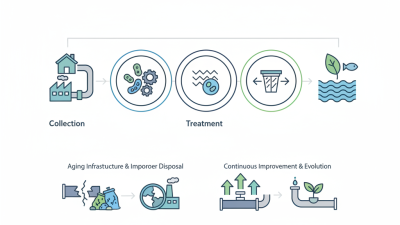
However, the transition is not without hurdles. The complexity of wastewater streams can complicate treatment processes. Many facilities struggle to upgrade existing infrastructure, as capital investments can be substantial. There is a need for continuous learning and knowledge sharing to navigate these challenges effectively. For the industry to advance, stakeholders must be willing to adapt and embrace new ideas.
2026 Best Waste Water Treatment Methods For Global Buyers - Future Trends in Waste Water Treatment Methods and Market Opportunities
| Method |
Efficiency (%) |
Cost (USD/Million Gallons) |
Environmental Impact |
Market Demand (Projected Growth %) |
| Activated Sludge Process |
85 |
$1500 |
Moderate |
5 |
| Membrane Bioreactor |
90 |
$3000 |
Low |
10 |
| Constructed Wetlands |
70 |
$800 |
Very Low |
15 |
| Reverse Osmosis |
95 |
$5000 |
Moderate |
8 |
| Advanced Oxidation Processes |
92 |
$4000 |
Low |
7 |