
Discovering the Best Package Wastewater Treatment Plant Solutions in China?
In recent years, China has seen a significant rise in the adoption of package wastewater treatment plants. These compact systems help manage water resources efficiently. Dr. Li Wei, a renowned expert in environmental engineering, emphasizes, “Quality wastewater treatment is crucial for sustainable development.” His words resonate deeply in today’s water management landscape.
The demand for package wastewater treatment plants stems from the need for innovative solutions. Urbanization and population growth have accelerated the need for effective water treatment. These plants offer flexibility and quick deployment, making them ideal for various communities. However, their implementation often poses unique challenges that require careful consideration.
Understanding the strengths and limitations of package wastewater treatment plants is essential. While they are efficient for small to medium-scale applications, scalability and operational costs can present obstacles. Continuous evaluation of their performance can lead to improved designs that better meet community needs. Discovering the best solutions involves not only technology but also the collaboration of various stakeholders.
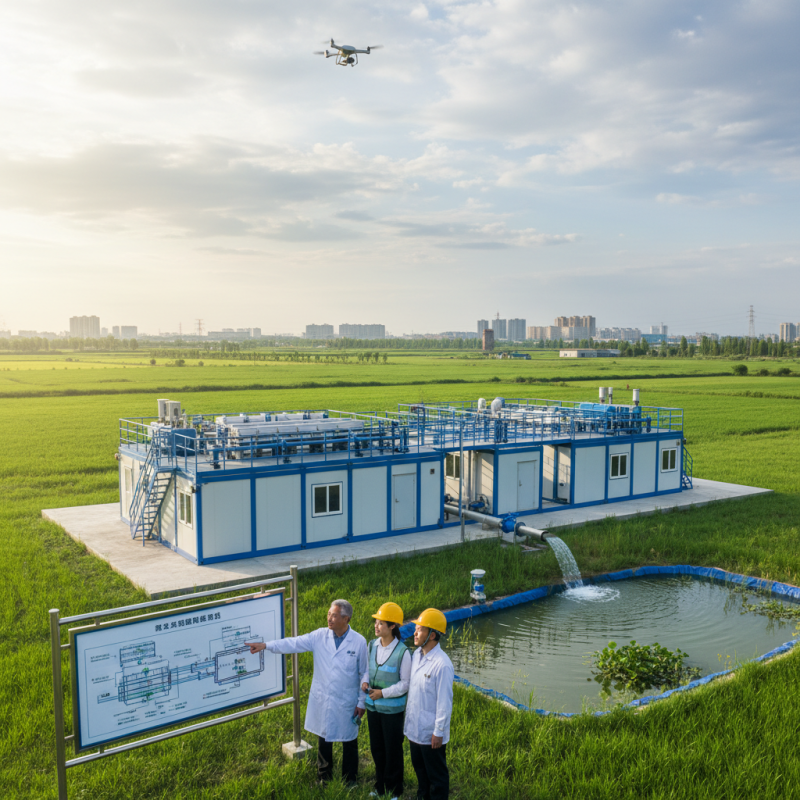
Understanding Package Wastewater Treatment Plants: An Overview
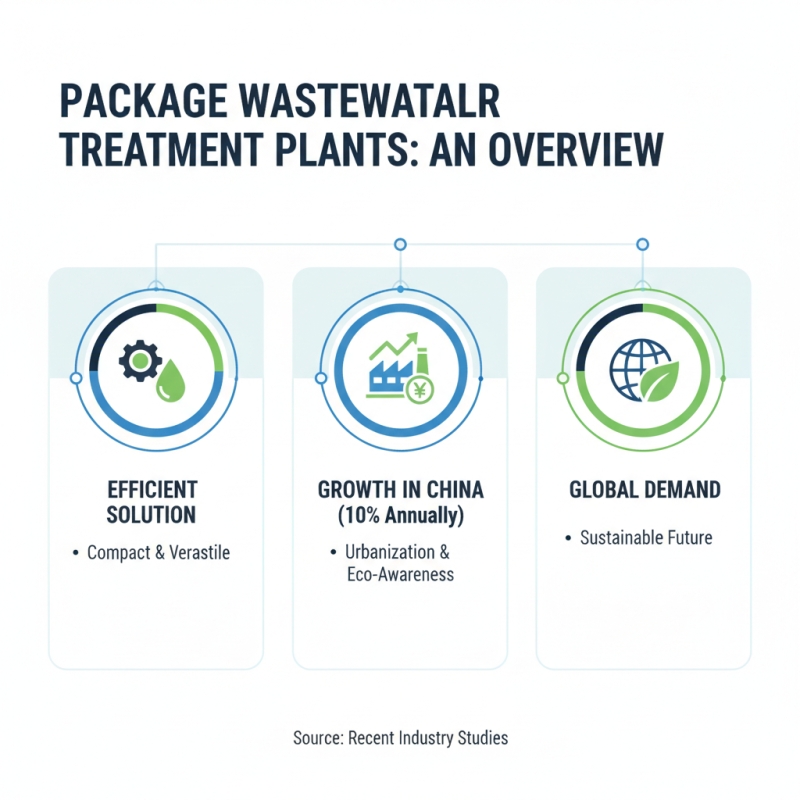
Package wastewater treatment plants (PWTPs) offer an efficient solution for managing wastewater. They are compact and can be installed in various environments. In recent years, studies indicate that the demand for PWTPs has grown by approximately 10% annually in China. This growth reflects urbanization and rising environmental awareness.
These systems are designed to treat wastewater effectively. They can serve communities of different sizes, from small villages to large industrial areas. For example, a typical PWTP can handle from 20 to 500 cubic meters of wastewater per day. However, some reports highlight challenges in maintenance and operator training. Many facilities struggle with a lack of skilled personnel.
Moreover, not all package plants meet environmental standards. Inadequate treatment can result in contaminating local water bodies. Research shows that around 30% of existing plants in some regions do not comply with discharge regulations. Advances in technology offer hope, but they require commitment and investment from operators and governmental bodies. Better training and support systems are essential for improving effectiveness and ensuring compliance.
Key Technologies Used in Package Wastewater Treatment Solutions
The package wastewater treatment sector in China is undergoing significant transformation. Key technologies are driving efficiency and compliance. Advanced biological treatment methods, including membrane bioreactors (MBRs), are gaining traction. According to the China Water Risk report, MBRs can reduce space requirements by up to 50% compared to conventional systems.
Another promising technology is the use of integrated fixed-film activated sludge (IFAS) systems. These systems combine suspended and attached growth to enhance treatment capacity. A recent study highlighted that IFAS can improve nitrogen removal rates by 30%, fulfilling stricter regulatory standards. This technology is especially suited for urban areas facing high population density.
Despite the advancements, challenges remain. Some operators report difficulties in system maintenance. There's also a need for continuous monitoring to avoid operational failures. Investments in training personnel can enhance expertise but may not always be feasible. As stakeholders seek reliable solutions, these key technologies must evolve to meet both demand and environmental regulations.
Advantages of Package Wastewater Treatment Plants in China
Package wastewater treatment plants are gaining popularity in China due to their flexibility and efficiency. These systems are pre-fabricated, which allows for quick installation. They can fit various scales of operations, making them suitable for urban and rural settings alike. Furthermore, they often require less land space compared to traditional plants.
One major advantage is their cost-effectiveness. Package systems generally have lower upfront costs and reduced operational expenses. This is crucial for many communities aiming to manage water resources sustainably. Additionally, these solutions can be expanded easily. As a community grows, the system can be upgraded or modified to meet new demands.
Tips: Consider the specific needs of your area when choosing a system. Evaluate water quality requirements and local regulations. Engage with professionals who understand the local landscape. Continuous monitoring and maintenance are vital to ensure long-term efficiency. Addressing potential issues early can prevent larger complications later.
Leading Manufacturers and Their Innovations in the Industry
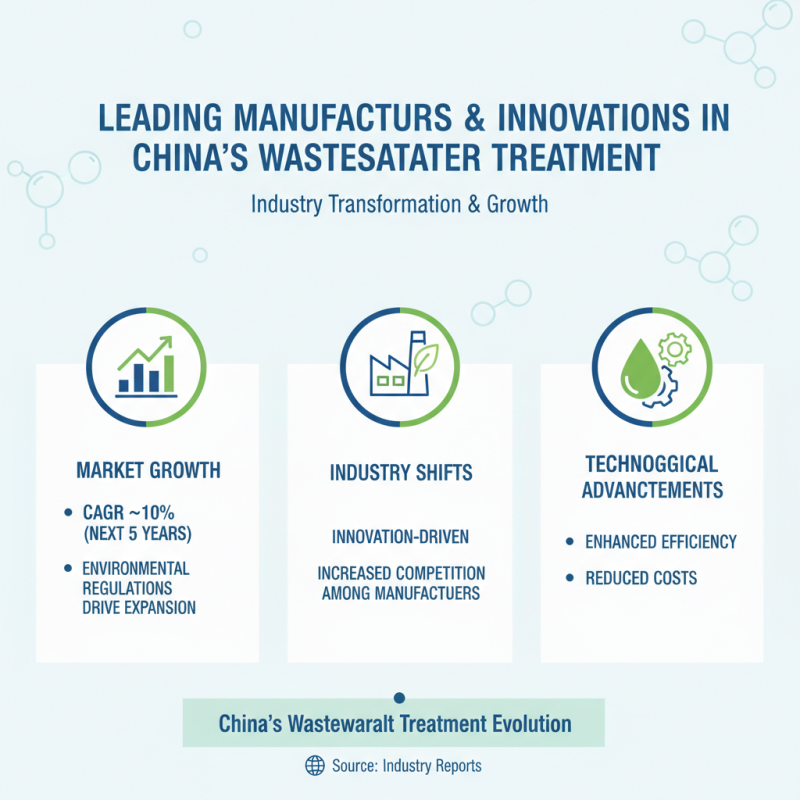
China's wastewater treatment industry is undergoing significant transformation, driven by innovation and environmental regulations. The market has seen impressive growth, with reports indicating a compound annual growth rate (CAGR) of around 10% over the next five years. This boom fosters competition among manufacturers who are introducing advanced technologies that enhance efficiency and reduce costs.
Leading manufacturers are focusing on modular solutions that facilitate easier installation and maintenance. These package wastewater treatment plants are designed to adapt to varying capacities, thus catering to urban and rural needs. Innovations such as membrane bioreactor (MBR) systems have gained traction, offering superior filtration capabilities and smaller footprints compared to traditional methods. However, challenges remain. Some systems can be costly, and their long-term operational efficiency needs further exploration.
Another trend is the integration of smart technologies. Manufacturers are developing solutions that utilize IoT for real-time monitoring of wastewater processes. This data-driven approach aims to optimize performance and predict maintenance needs. Yet, there is a need for standardization in data collection methods to ensure reliability. Balancing innovation with practical applications is essential for the industry's future. Despite advancements, addressing these challenges will determine the success of wastewater treatment solutions in China.
Regulatory Standards and Compliance for Wastewater Treatment in China
In China, regulatory standards for wastewater treatment are crucial for safeguarding public health and the environment. Recent reforms aim to tighten these standards, ensuring facilities operate within set limits. Compliance is not just a legal obligation; it reflects a commitment to sustainable practices. Many plants struggle with adherence due to evolving regulations and technological demands.
Local authorities often lack the expertise to enforce these regulations effectively. This gap can result in non-compliance and environmental harm. Some facilities may overlook necessary upgrades, believing they are compliant. However, neglecting to invest in advanced technologies can lead to failures in purification processes.
Stakeholders must engage continuously with regulatory bodies. Opportunities to improve exist despite challenges. By collaborating with experts, facilities can enhance their systems for better efficiency. Standards will keep evolving, pushing the industry toward innovation. Upholding these regulations can significantly impact community health, making it a priority for all wastewater treatment facilities.
Related Posts
-
How to Choose the Right Wastewater Package Plant for Your Needs
-

Top Methods for Effective Waste Water Removal Solutions?
-
2026 How to Optimize Wastewater Treatment Process for Efficiency?
-

Top 10 Package Wastewater Treatment Plants at 139th Canton Fair?
-
Top 10 Innovations in Sewer Treatment Plant Technology Today?
-

Top Waste Water Systems for Efficient Water Management Solutions?