
2026 Best Waste Water Treatment Plant Solutions for Buyers?
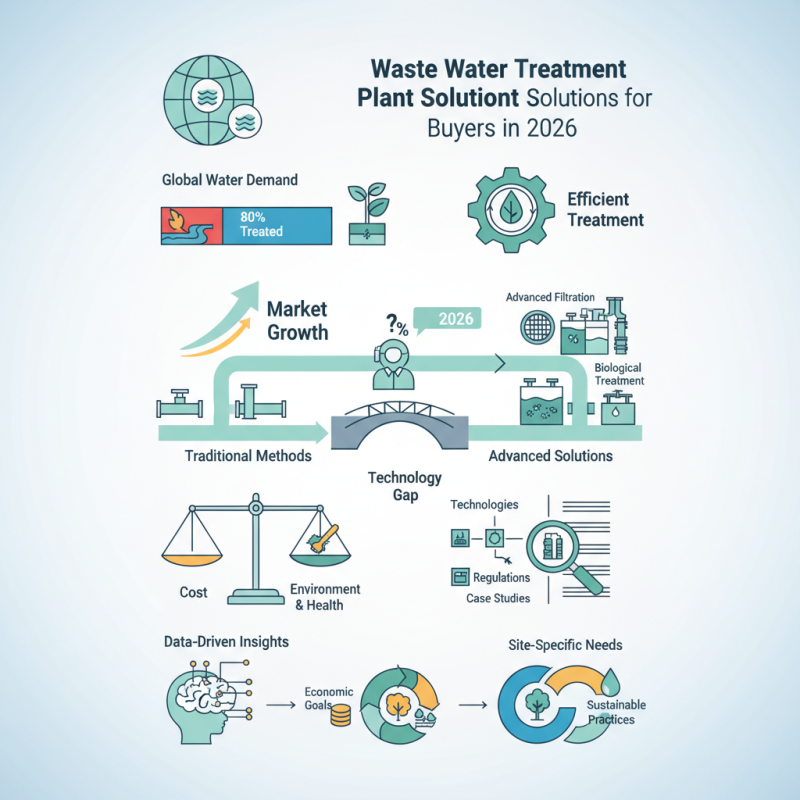
As global water demand rises, the need for efficient waste water treatment plants becomes increasingly critical. According to the World Health Organization, nearly 80% of wastewater globally is released untreated, causing severe environmental and health issues. Effective treatment solutions are essential to ensure public safety and environmental sustainability. The waste water treatment plant market is projected to grow substantially, with a forecasted compound annual growth rate of 6.5% by 2026.
Selecting the right waste water treatment plant is not merely a matter of cost. It involves understanding various technologies, environmental regulations, and case studies of successful implementations. Industry experts indicate that advanced filtration and biological treatment technologies can minimize operational costs and improve efficiency. However, some facilities still struggle to adopt these innovations. This gap between technology availability and practical application raises questions about industry readiness.
Investors and operators must critically evaluate the options available in the market. The landscape is filled with choices, from traditional methods to cutting-edge solutions. This complexity can overwhelm buyers, making it essential to rely on data-driven insights. Understanding the specific needs of each site can lead to better outcomes. The right choice not only supports economic goals but also fosters sustainable practices.
2026 Market Overview for Waste Water Treatment Plant Solutions
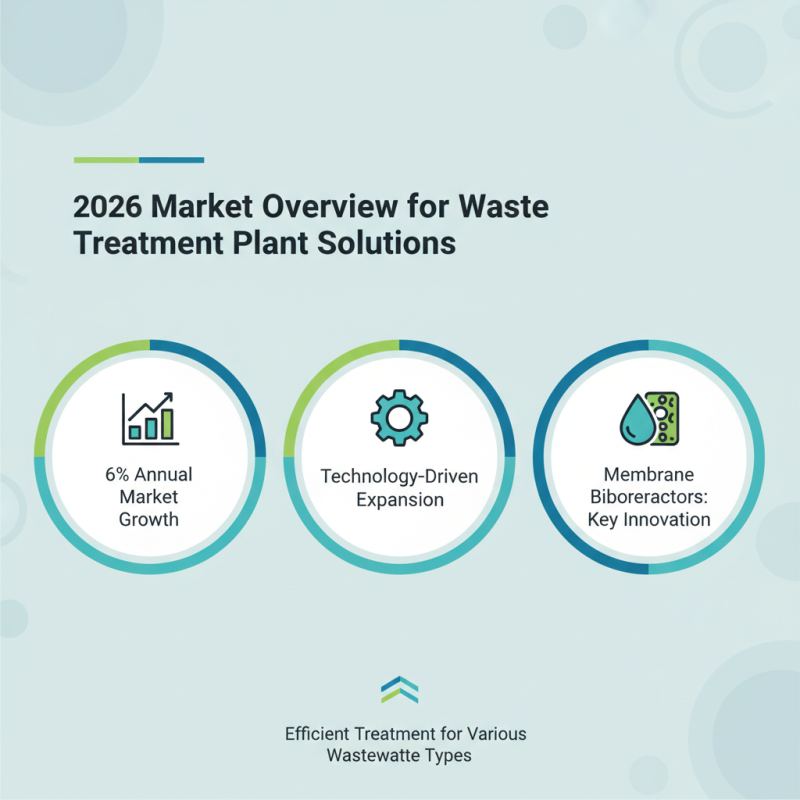
In 2026, the wastewater treatment plant market continues to evolve. Industry reports indicate a projected growth rate of 6% annually. Innovations in technology are driving this increase. Mechanisms like membrane bioreactors are gaining popularity. These offer efficient treatment options for various wastewater types.
However, challenges persist. Many facilities struggle with outdated infrastructure. Replacing this is costly and time-consuming. According to a recent study, over 50% of wastewater plants need upgrades. This could impact their efficiency and the quality of treated water. As regulatory standards tighten, staying compliant becomes critical.
Market players must adapt swiftly. Smart technologies and automation provide potential solutions. They enhance operational efficiency and reduce labor costs. Yet, investment in new systems can be daunting for small operators. Continuous education and training are necessary to transition effectively. Balancing cost against innovation is a delicate process. It requires ongoing evaluation and flexibility in strategy.
Key Technologies Driving Waste Water Treatment Innovations in 2026
The landscape of wastewater treatment is evolving rapidly. By 2026, advanced technologies will play a crucial role in enhancing efficiency and sustainability. Notably, membrane bioreactors (MBRs) are gaining traction. MBRs combine biological treatment and membrane filtration, promising higher quality effluent. Reports indicate that the global MBR market is expected to reach USD 4.15 billion by 2026, reflecting a significant growth opportunity.
Another key innovation is the implementation of artificial intelligence (AI) in treatment plants. AI-driven systems help in optimizing operations and reducing energy consumption. Studies show that AI can decrease operational costs by up to 20%. However, the integration of such advanced technologies presents challenges. Operators need training to effectively use AI solutions.
Emerging electrochemical technologies also show promise for wastewater treatment. These systems can effectively remove contaminants without the need for harmful chemicals. Research suggests that these technologies could reduce pollutant levels by 90% in some cases. Yet, scalability and cost remain concerns. Addressing these limitations will be essential as buyers look for reliable and innovative solutions in wastewater management by 2026.
Cost-Benefit Analysis of Leading Waste Water Treatment Solutions
As industries face increasing pressure to manage wastewater efficiently, cost-benefit analysis becomes crucial for selecting the right treatment solutions. Projects show that effective wastewater treatment can yield savings of up to 30% in operating costs and 20% in energy consumption. Reports indicate that adopting advanced technologies can lead to a significant reduction in chemical use, cutting overall expenses while enhancing environmental sustainability.
However, not all solutions fit every facility. Evaluating the lifespan and maintenance costs of treatment systems is vital. Shorter-term solutions may seem cost-effective initially but often lead to higher expenses over time. Consideration of integrated systems can provide long-term savings. According to a study by the Water Environment Federation, managing smart technology in plants can improve efficiency by 25%. Facilities must weigh these factors to make informed decisions.
Tip: Examine lifecycle costs, not just upfront prices. Invest in systems that offer reliability and support over time. Regular reviews of operational efficiency can help identify areas for improvement. Many plants overlook maintenance costs, which can lead to unplanned downtime and expenses. Focus on solutions that adapt to changing regulations and technology advancements for optimal performance.
Sustainability Trends in Waste Water Treatment: A 2026 Perspective
Sustainability is a key trend shaping the future of wastewater treatment. In 2026, plants are increasingly focusing on energy efficiency. Advanced technologies are now available, allowing for greater resource recovery and less environmental impact. Techniques such as
anaerobic digestion are being adopted to convert waste into energy. This not only reduces greenhouse gas emissions but also promotes a circular economy.
Many facilities are incorporating natural treatment options.
Constructed wetlands and biofilters offer eco-friendly alternatives. These methods can be more cost-effective in certain settings. However, they require careful design and maintenance. Challenges exist in scaling these solutions to larger operations. Adequate monitoring and community engagement are essential for success.
As the industry progresses, the demand for innovation continues to rise. Educating stakeholders on these practices is crucial. Investing in training can lead to more effective implementations. There's also a need for transparent reporting on sustainability metrics. This fosters trust and helps communities understand the benefits of modern treatments. The journey toward
sustainable wastewater management is ongoing, filled with both challenges and opportunities.
Comparative Study of Top Waste Water Treatment Plants by Efficiency Metrics
When selecting the best wastewater treatment plant solutions, efficiency metrics play a crucial role. Different treatment plants exhibit varying performance levels based on their technology and design. For instance, biological treatments often dominate in reducing organic matter. Yet, not all facilities optimize energy consumption effectively. Some might sacrifice energy efficiency for higher treatment standards, leading to increased operational costs.
Cost-effectiveness is another critical aspect. While advanced technologies promise superior results, they can also be expensive to implement and maintain. An efficient plant should balance initial investment against long-term savings. It's important to assess both capital and operational expenditures when making comparisons. The complexity of different systems can often create confusion for buyers. Engaging with experts who can interpret efficiency data is vital for informed decision-making.
Moreover, the adaptability of a treatment plant to varying inflow conditions can significantly impact its overall performance. Some plants excel in specific scenarios but may struggle under different circumstances. Ensuring that a treatment solution is robust enough to handle fluctuations in wastewater composition is essential. Buyers should reflect on their specific needs and environmental regulations. This careful consideration can lead to smarter choices in the complex landscape of wastewater treatment solutions.
Related Posts
-
How Wastewater Treatment Systems Are Revolutionizing Environmental Sustainability
-
Top 10 Innovative Waste Water Treatment Plant Technologies You Should Know?
-
What Are Waste Water Treatment Systems and How Do They Work?
-
2026 Top Wastewater Treatment System Innovations to Watch Out For?
-
Why Is Wastewater Treatment System Vital for Our Environment?
-
How to Choose the Right Waste Water Treatment Plant in 2026?